Where it started
Most brands take 18 to 24 months to release a product. In an industry where everything else moves fast, that's a long time. It's largely a structural problem, not inevitable. Shifting briefs, stakeholders who change their minds mid-development, and the complexity of handmade construction all compound. But the root cause is simpler: most people designing products aren't close enough to where they're made.
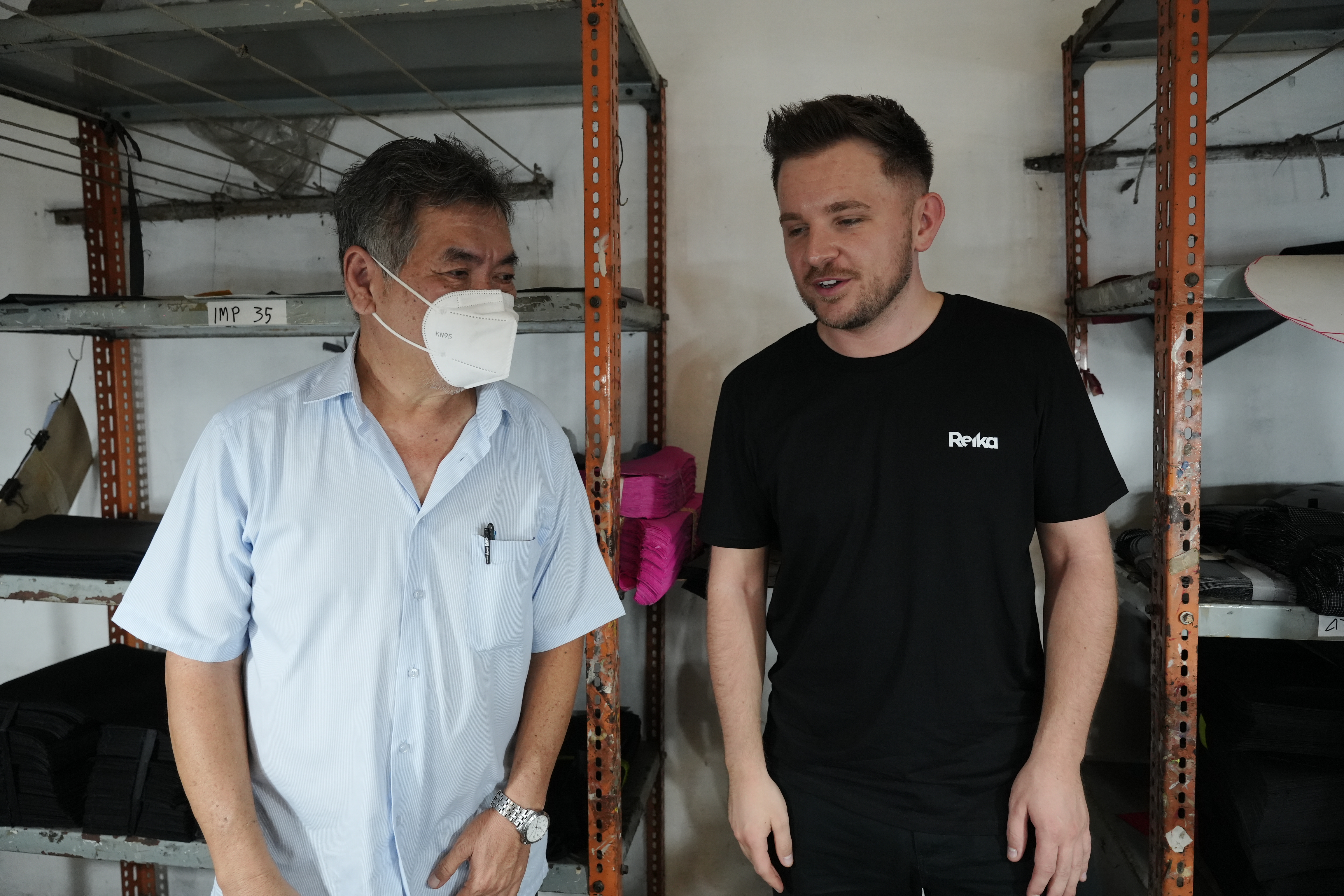
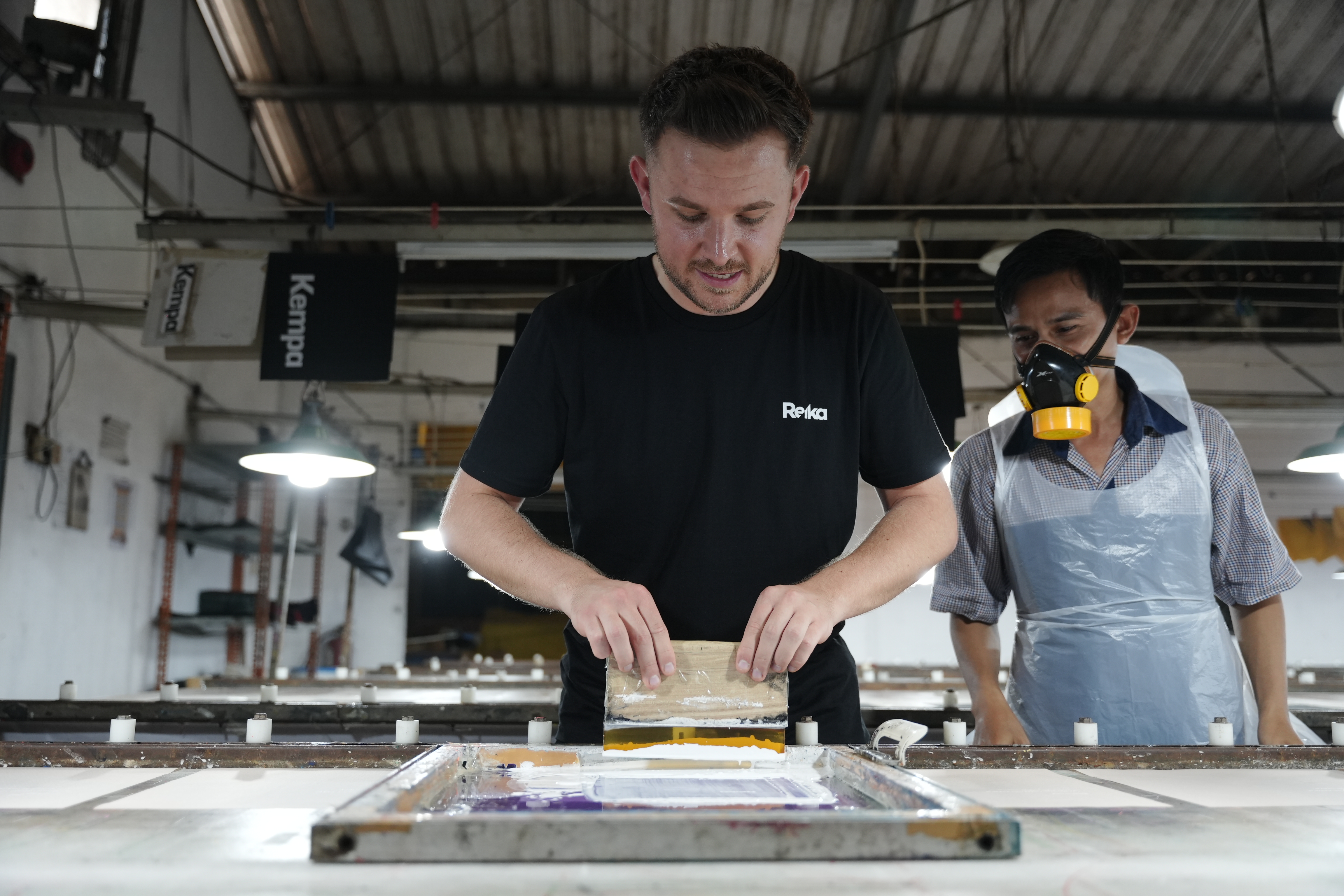
Sam spent years running product development from the UK, flying to Asia, flying back, managing the gap by email. The insight wasn't subtle. Three months of remote back-and-forth. One week on the ground, and everything resolved. What took a quarter to inch forward remotely took a week to close in person. At some point you stop calling that a coincidence.
Factory-first thinking
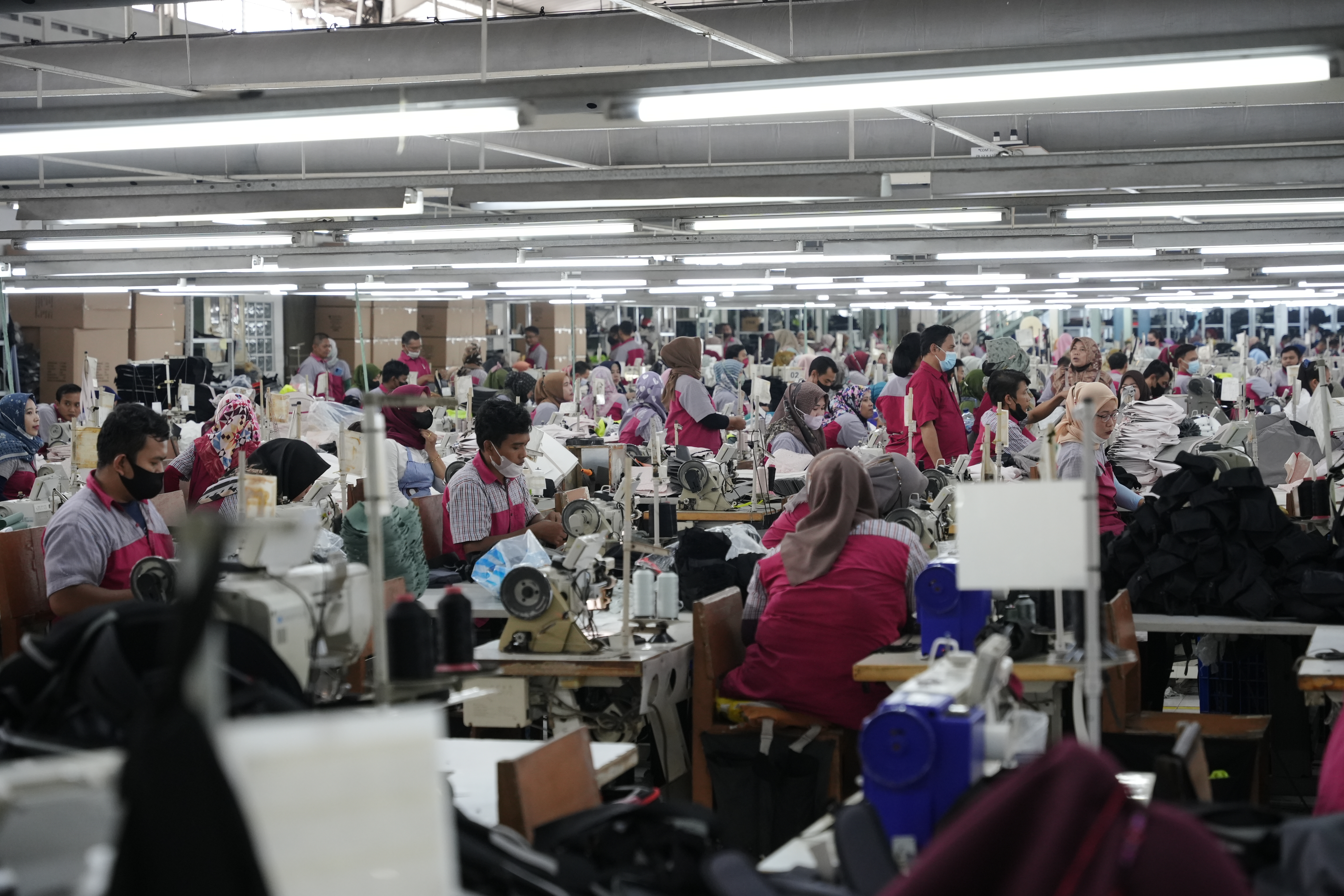
Being physically present means problems get caught before they compound, questions get answered in hours not weeks, and the spec evolves in real time alongside the people making it. Proximity to manufacturing is our most defensible advantage.
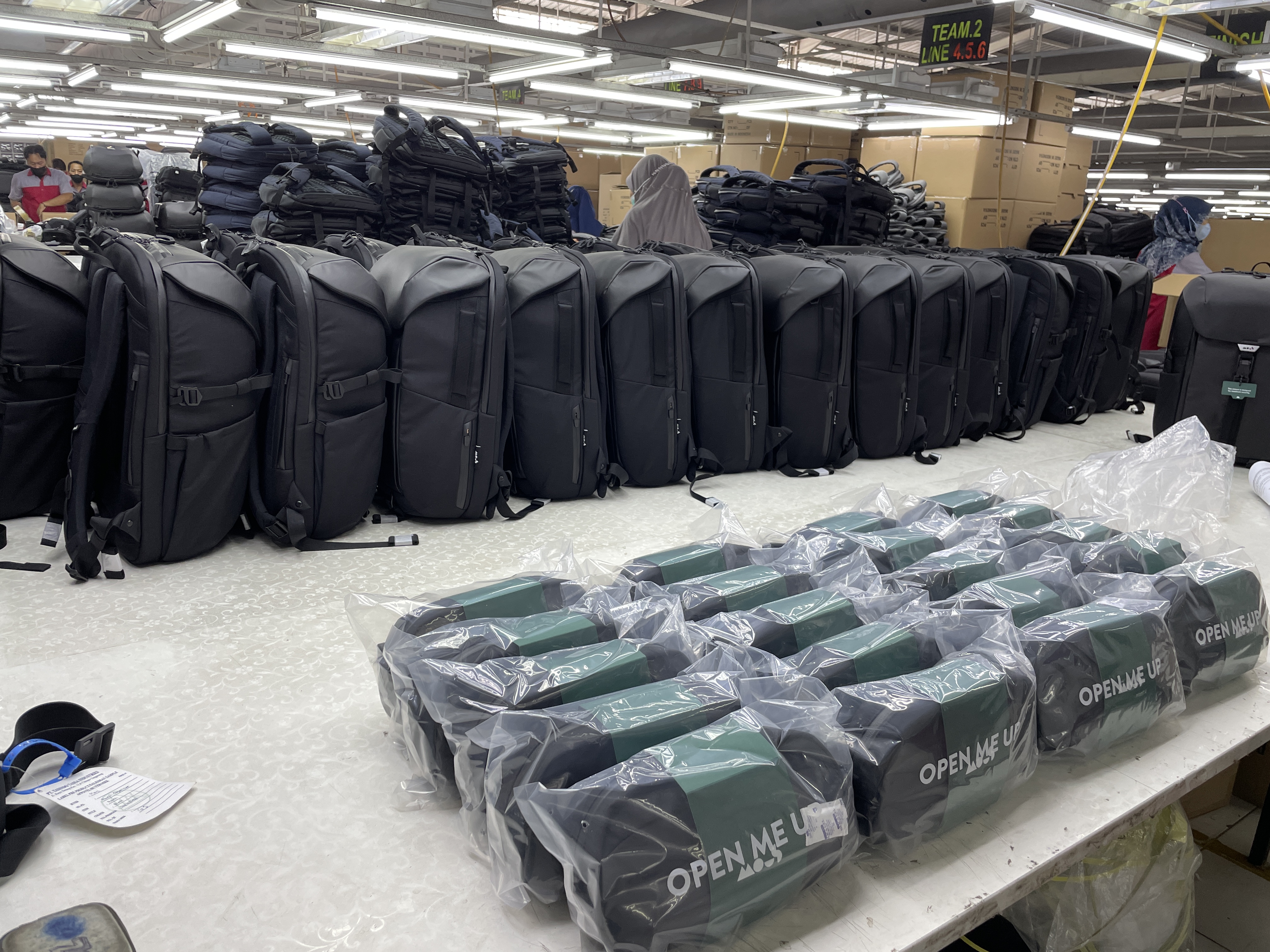
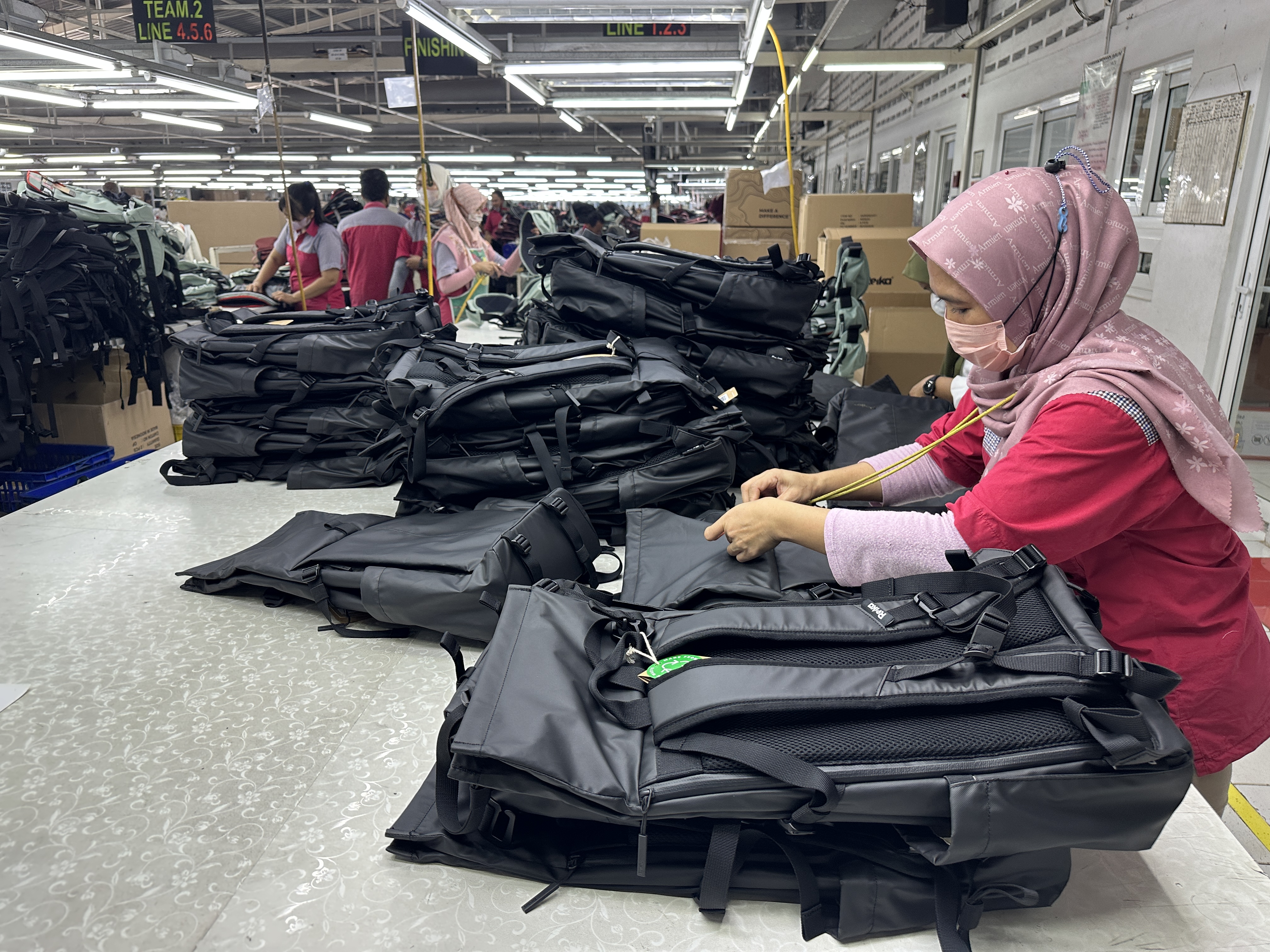
It also changes how you design. Too many products are built around features and aesthetics without running the numbers first. Construction that looks good but destroys margin, details that impress at trade shows but fail in production. We put the commercial case first: cost, durability, and manufacturability built in from day one. That's how you hit a viable RRP, protect margin, and actually ship.
The network
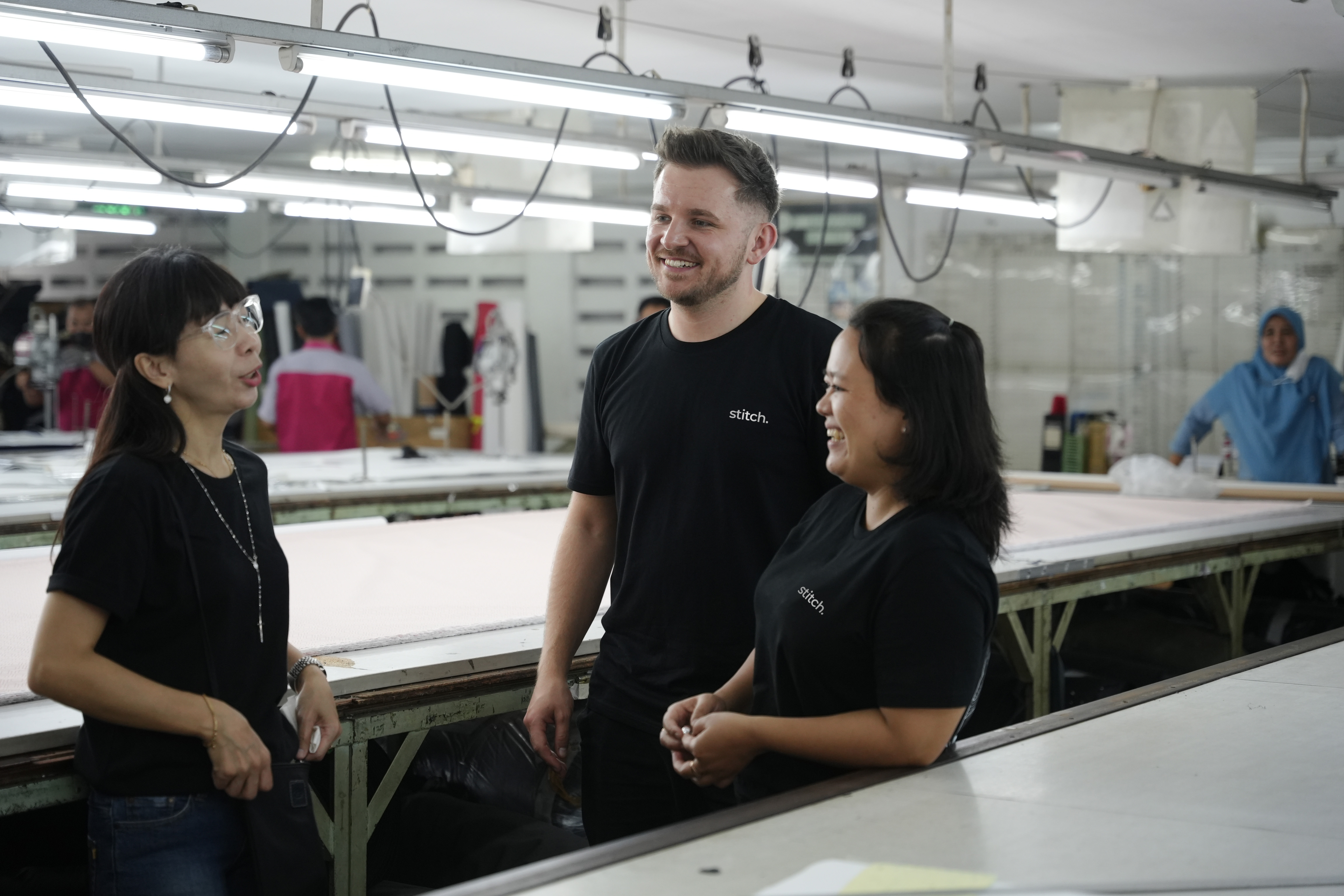
The factory relationships we've built over a decade aren't cold introductions. Factories that call us when something isn't right, schedule us favourably, and give honest feedback on what's achievable. When you work with Stitch, you inherit that. Day-one access to the kind of direct, operational conversations that only come with years of genuine familiarity.
What we are now
Sam eventually stopped going back. He moved to Asia full-time and has been based in Indonesia ever since, where he lives with his family. The team is split between the UK and across Asia, covering productive working hours around the clock and always within reach of a production floor.
The measure of success is always the same: a better product, stronger margin, and a supply chain that holds under pressure.