DesignDevelopmentManufacturing
Mous

Extreme Commuter
Backpack 18L

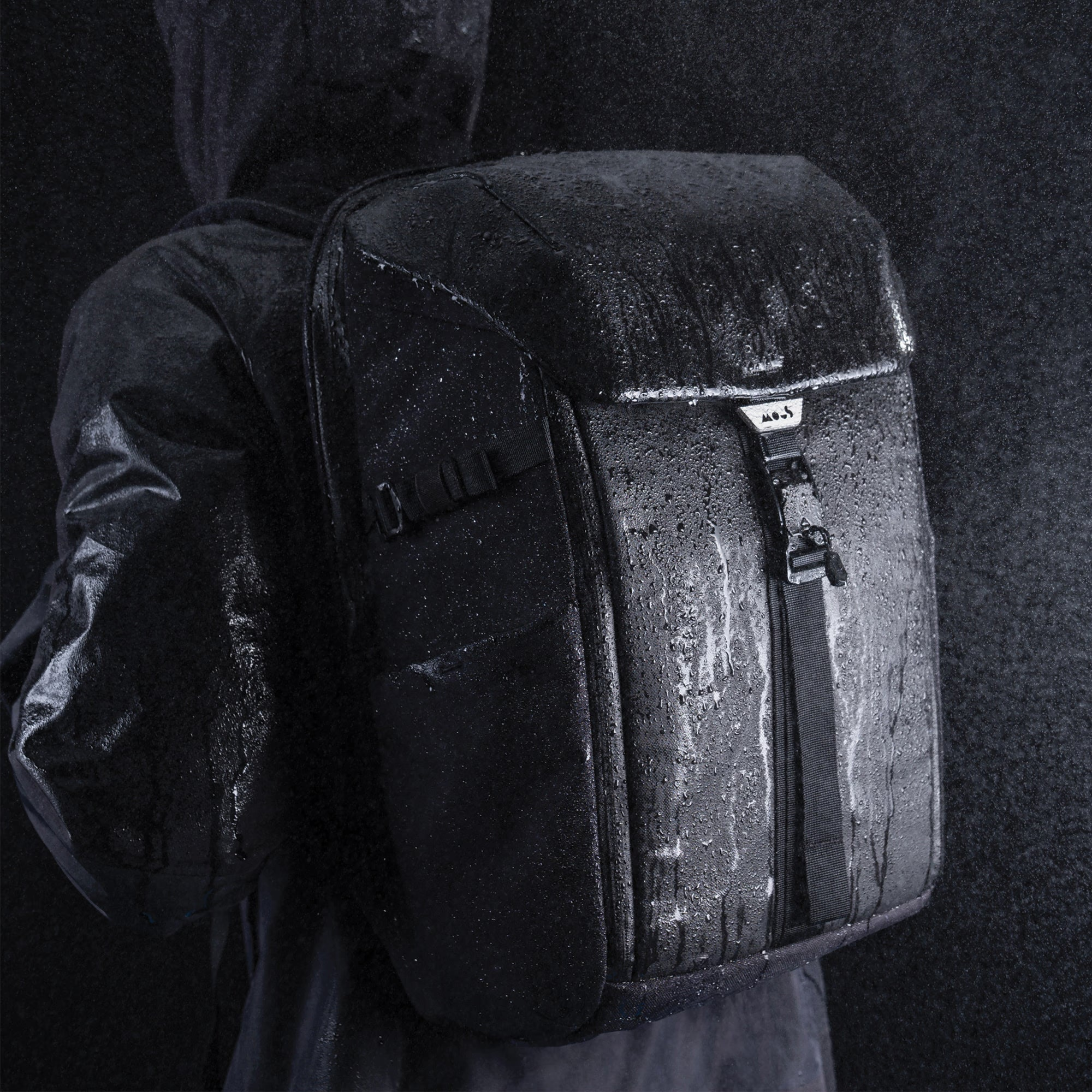
The 25L solved the hard problems. The 18L applied them. Built on the same AiroFoam architecture, engineered for the commuter who wants everything the 25L offers in a lighter, leaner form.

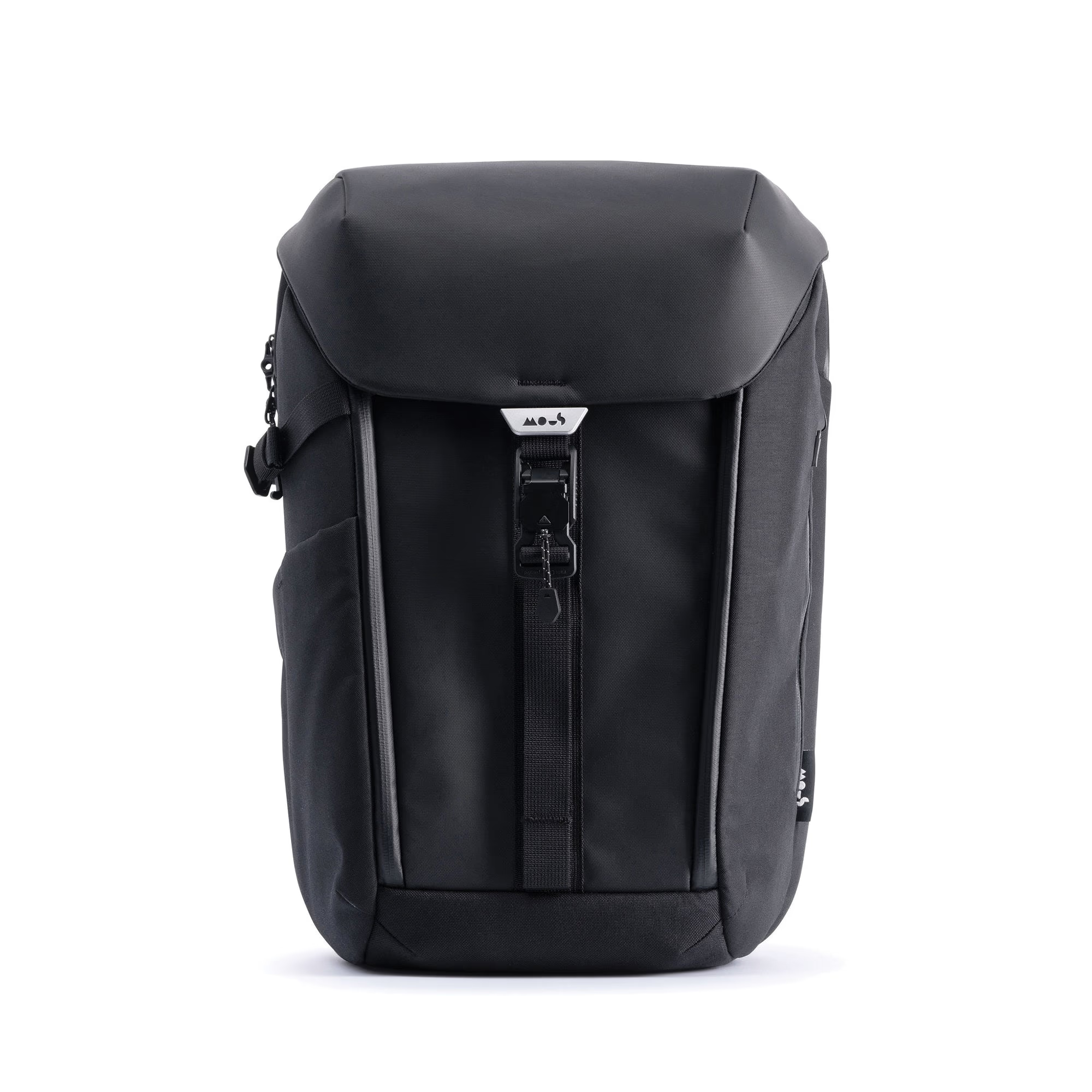
Mous 18L Commuter backpack

Snapshot

Key facts

Client
Mous
Product
Extreme Commuter 18L
Category
Urban carry / tech protection
Timeline
6 months concept to ship
Manufacturing
Indonesia
Scope
Design, Dev, Production, QC
Key technology
AiroFoam™ integration
Inspection standard
AQL 2.5 throughout

Adapting a 25L architecture to an 18L without losing what made it work

When the 18L brief came in, we had a choice. Start fresh, or build on the 25L. The answer was obvious but not simple. Reducing volume isn't just scaling down. The AiroFoam panels, back system, harness geometry, layout, each needed redesigning for a smaller chassis without losing the original's structural logic.

The real challenge was proportional. An 18L with 25L construction feels overbuilt and heavy. An 18L with 18L construction doesn't meet the Mous promise. We had to find the balance, reducing where we could without compromising what mattered.

Added constraint: Mous wanted this as a genuine second SKU, not a junior version. It had to stand on its own merits, not just as a cheaper 25L.
What the 18L had to deliver to justify its existence

  • Carry the same AiroFoam tech protection as the 25L, credibly
  • Reduce empty weight without sacrificing durability or back system quality
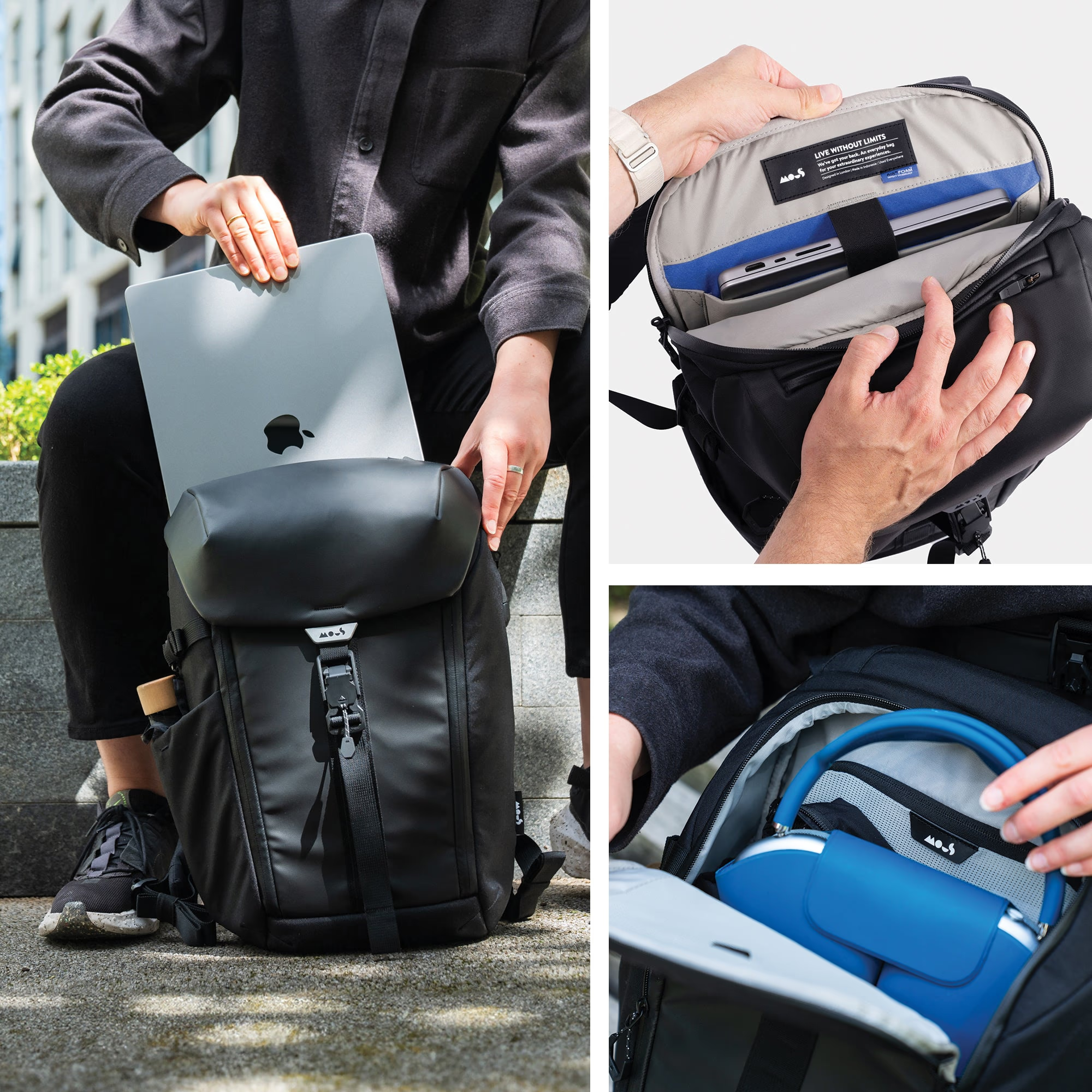
  • Organise daily essentials, laptop, tech kit, water, without the bag feeling half-empty when packed
  • Hit a timeline significantly shorter than the 25L by building on what already existed
  • Match the 25L's quality standard at inspection

The design problem was proportional, not just dimensional

We mapped what the 25L carried well and inefficiently. For most commuters, laptop, charger, phone, water, gym kit, 25L is too much. The 18L served that user, no compromises.

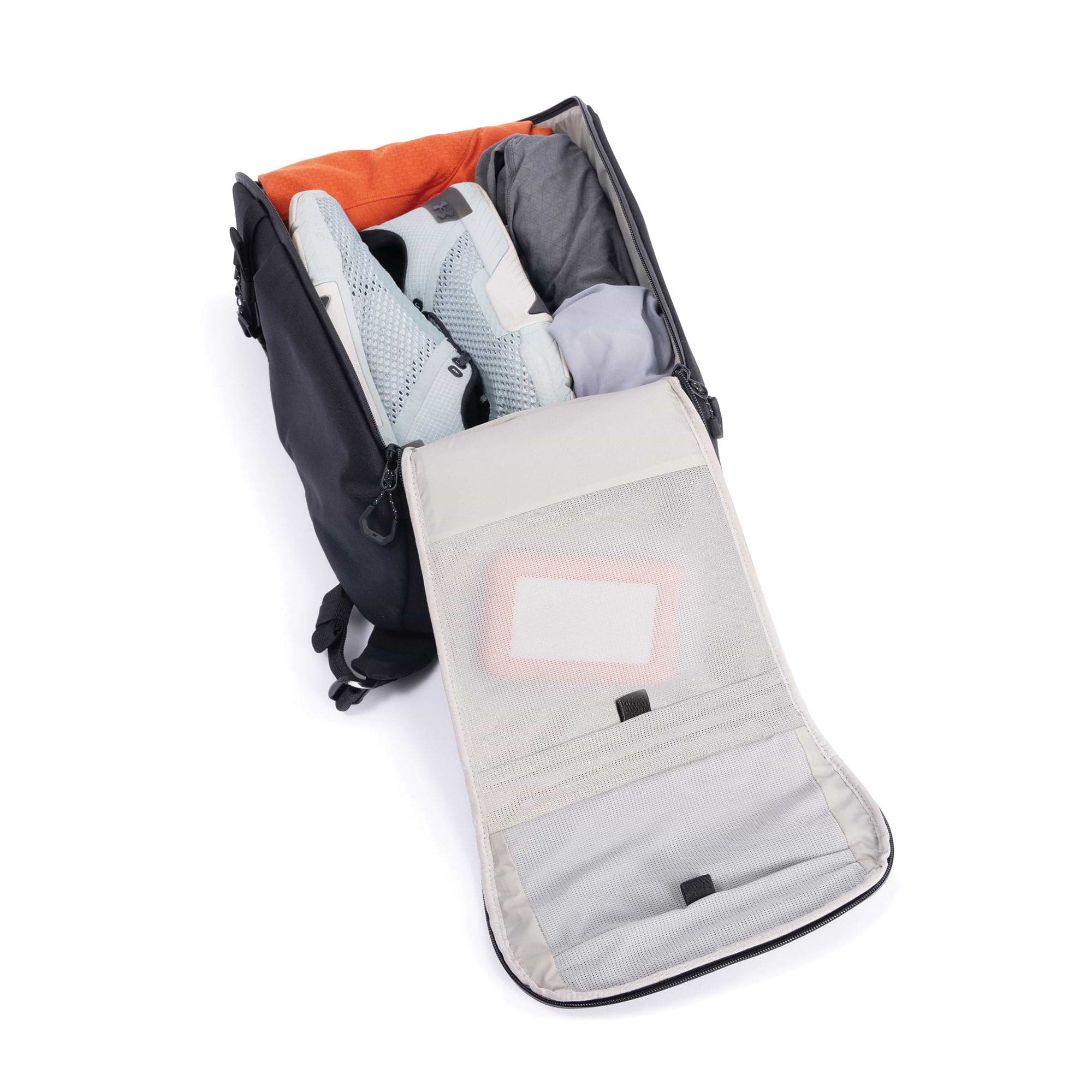
The internal architecture changed significantly. Laptop compartment narrowed, main compartment reduced in depth, front organiser consolidated. Every cut was deliberate. Wrong reduction loses function. Too little and it's just a squashed 25L.

The challenge with the 18L wasn't making it smaller. It was making it feel designed, not just reduced.
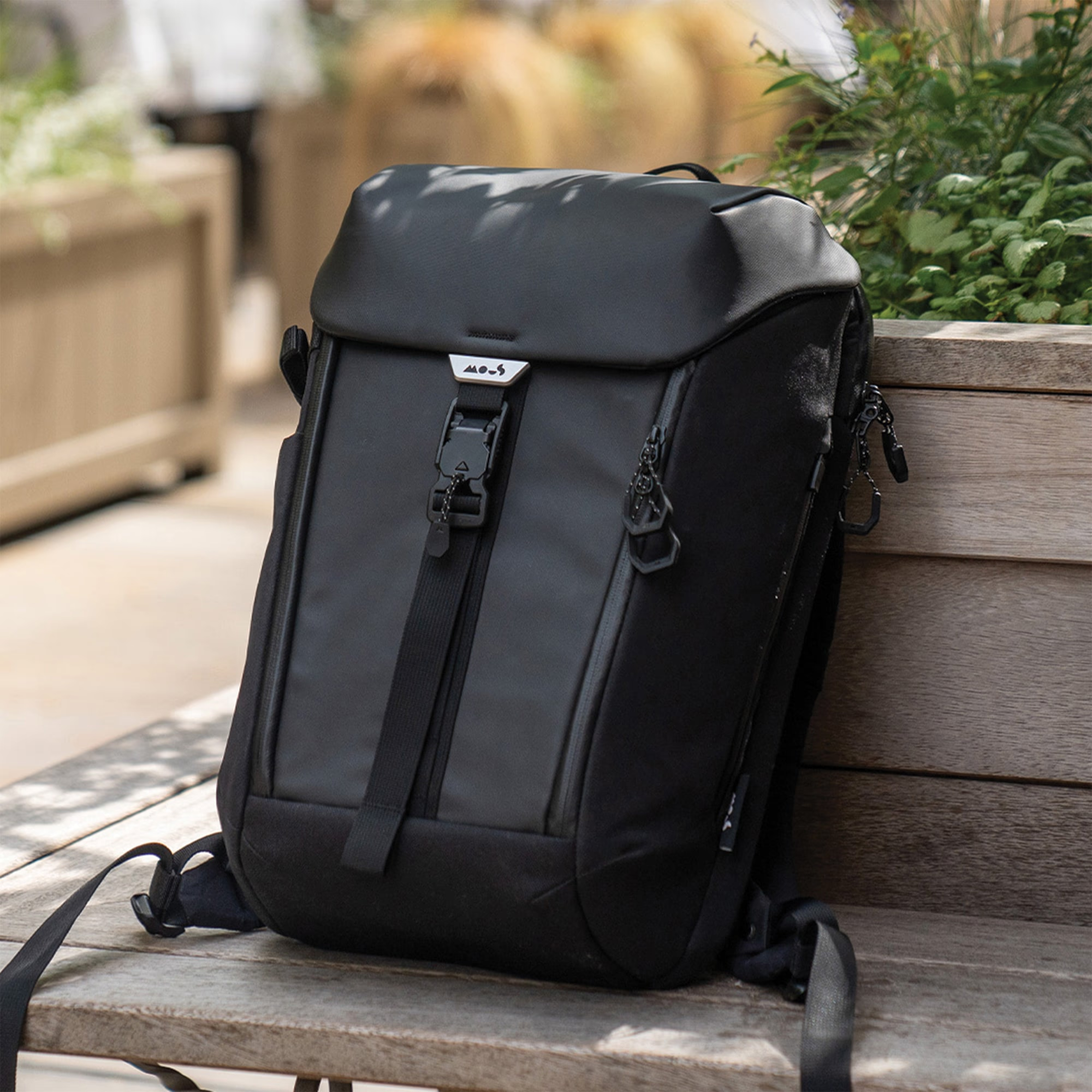
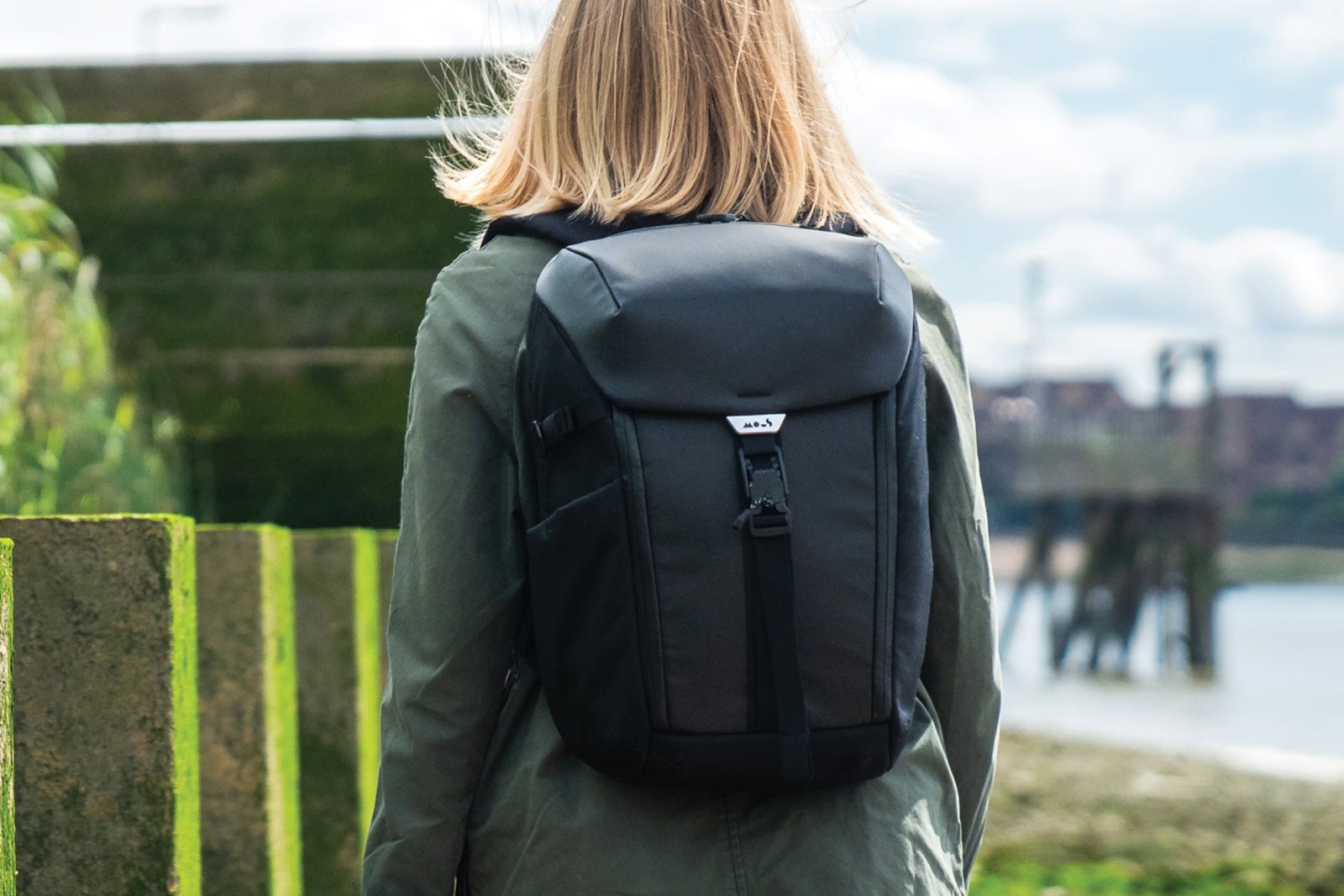
Mous 18L Commuter backpack in urban setting

AiroFoam integration at 18L scale

Technical specification
Shell fabric: 840D Carbonated Nylon (primary) / 500D Kodra (secondary panels)
AiroFoam panel thickness: 14mm laptop / 10mm back
Laptop compatibility: Up to 15" MacBook Pro
Hardware: YKK AquaGuard zips / Woojin buckles and adjusters
Weight (empty): 1.05kg
Volume: 18L nominal

The back panel system was adapted, not replaced. Floating harness point retained. AiroFoam lumbar pad rescaled. Shoulder straps redesigned for the narrower chassis but kept the 25L's construction spec.

Same material standards, applied to a leaner design

We didn't cut material specs to hit cost. The 840D Carbonated Nylon shell, YKK zips, Woojin hardware, bonded thread, all identical to the 25L. The difference is volume and geometry, not components.

Secondary panels use 500D Kodra, abrasion where needed, weight reduction where possible. Stress points bar-tacked, load-bearing seams double-stitched.

Faster production on established supply chain

Production used the same factory team and supply chain as the 25L. The team knew the construction methods and QC standards. Faster start, less ramp-up.

All units inspected to AQL 2.5. AiroFoam bonding treated as critical for the first run, consistent with the 25L process. We ran inspection with a third-party QC provider to ensure coverage at volume.

6mo
Concept to first shipment
AQL 2.5
Pass rate maintained
1.05kg
Empty weight
2
SKUs on platform

A second SKU that strengthened the range, not diluted it

The 18L gave Mous a genuine smaller option. Not a cut-down version, but its own product. Lighter, right for commuters who don't need 25L, fully credible on performance claims.

Building on the 25L architecture proved the value of systematic product development. The second bag was better because the first was done properly.

Next project

Mous Extreme Commuter Zip Backpack