Mous
Mous needed a bag that could genuinely protect expensive tech without looking like a tech bag. Twelve months from first brief to factory floor. AiroFoam technology in soft goods for the first time.
Key metrics at a glance
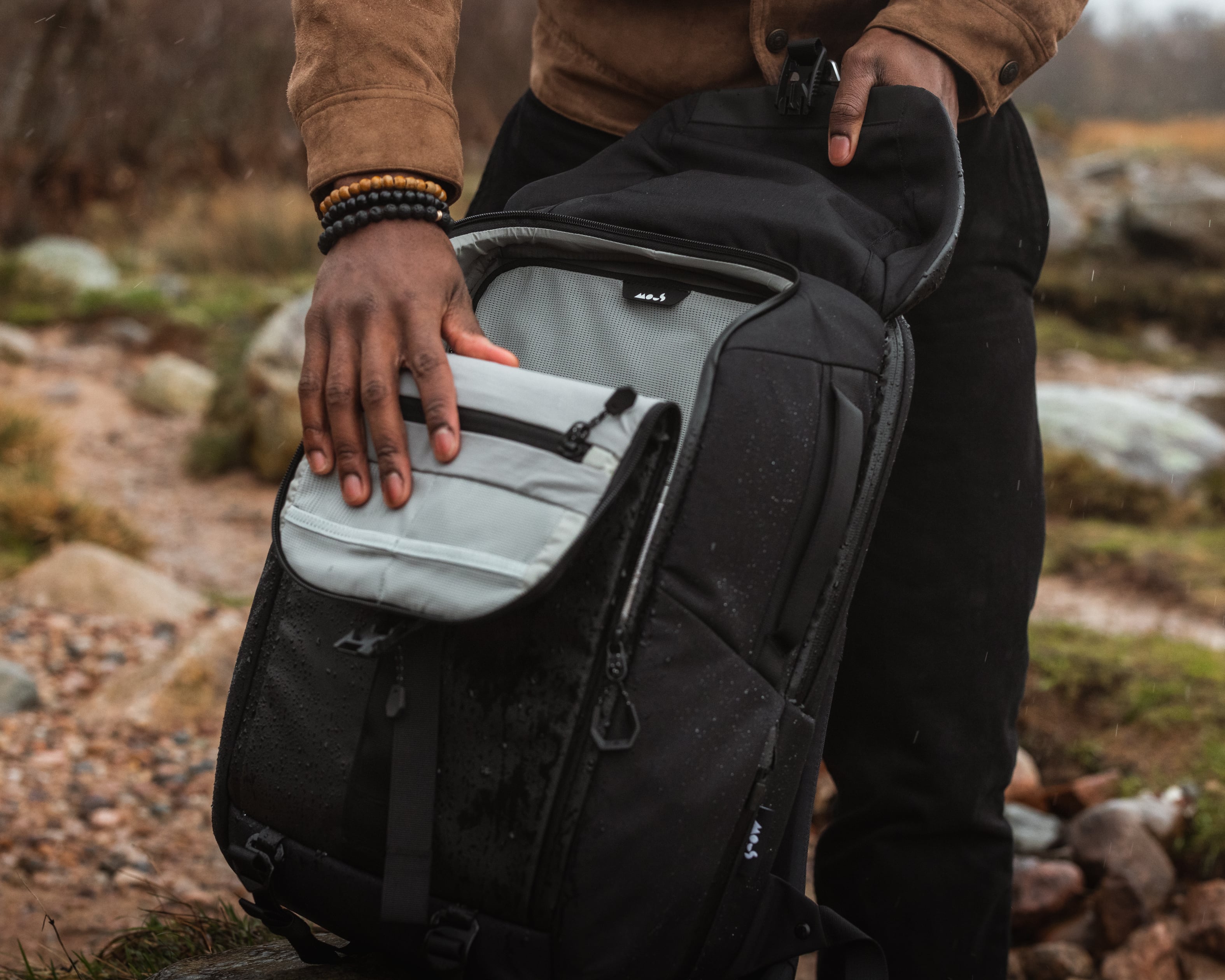
Mous had already built a reputation in phone cases with their patented AiroFoam technology, a proprietary material that absorbs extreme impact by momentarily acting rigid on contact. The brief was to bring that technology into a bag category for the first time, creating a commuter backpack that could genuinely protect expensive tech without looking like a tech bag.
The tension was real. Protection and aesthetics pull in opposite directions. Most protective bags look like hard cases with straps. Most premium lifestyle bags offer almost no protection beyond a padded sleeve. Mous needed both, and they needed a development partner who could hold both in mind simultaneously throughout the engineering process.
Added complexity: AiroFoam had never been integrated into soft goods in this context. The material behaviour in a bag context was unproven. We had to engineer the integration from scratch.
We analysed the AiroFoam constraints before sketching. How the technology needed to integrate determined architecture from inside out. Laptop compartment first, everything else designed around it.
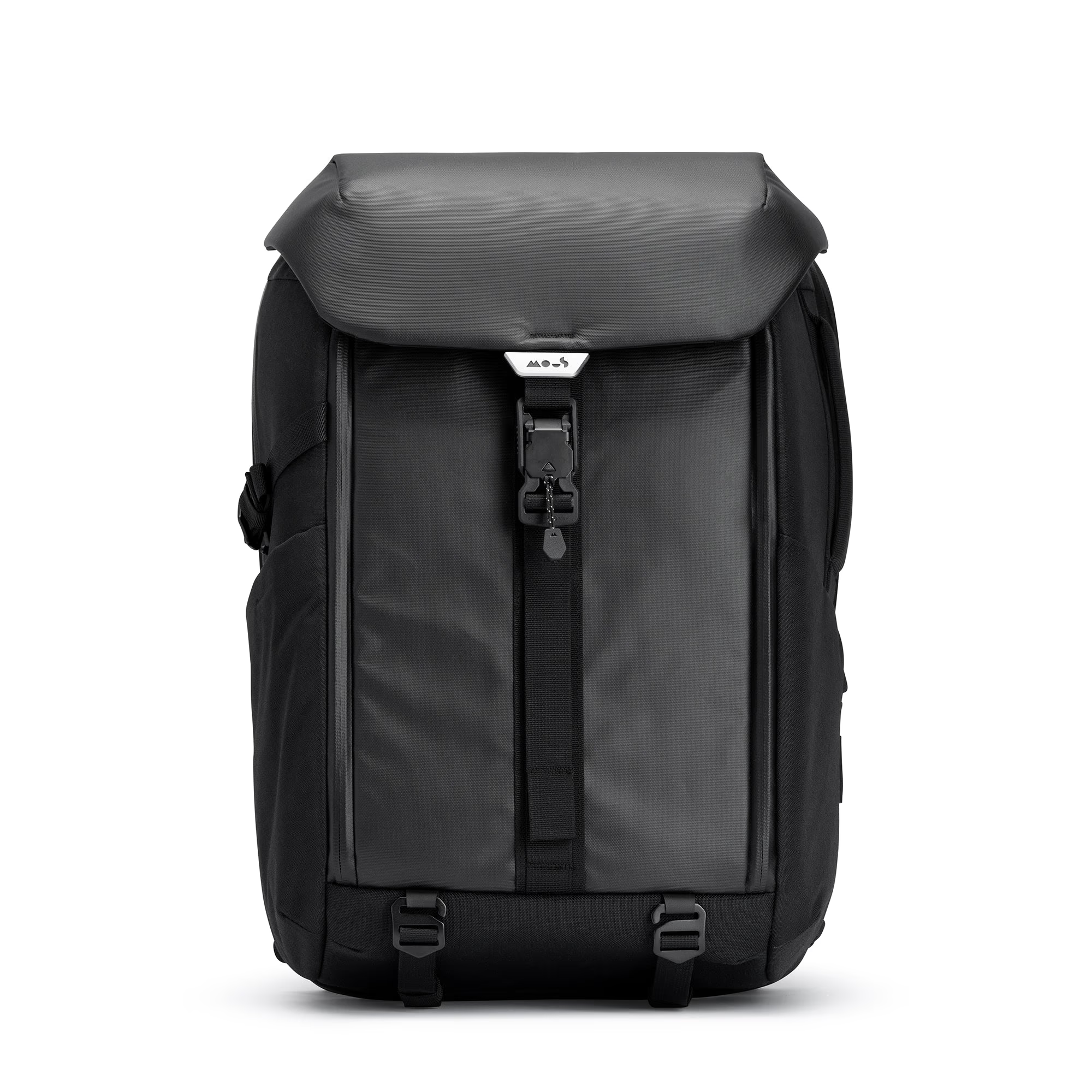
The silhouette went through major revisions. Achieving clean lines without compromising protection performance. Early prototypes too boxy. Later iterations found the balance between structure and aesthetics.
"We had to solve the engineering problem and the aesthetic problem simultaneously. Most bags separate those two phases, we couldn't."
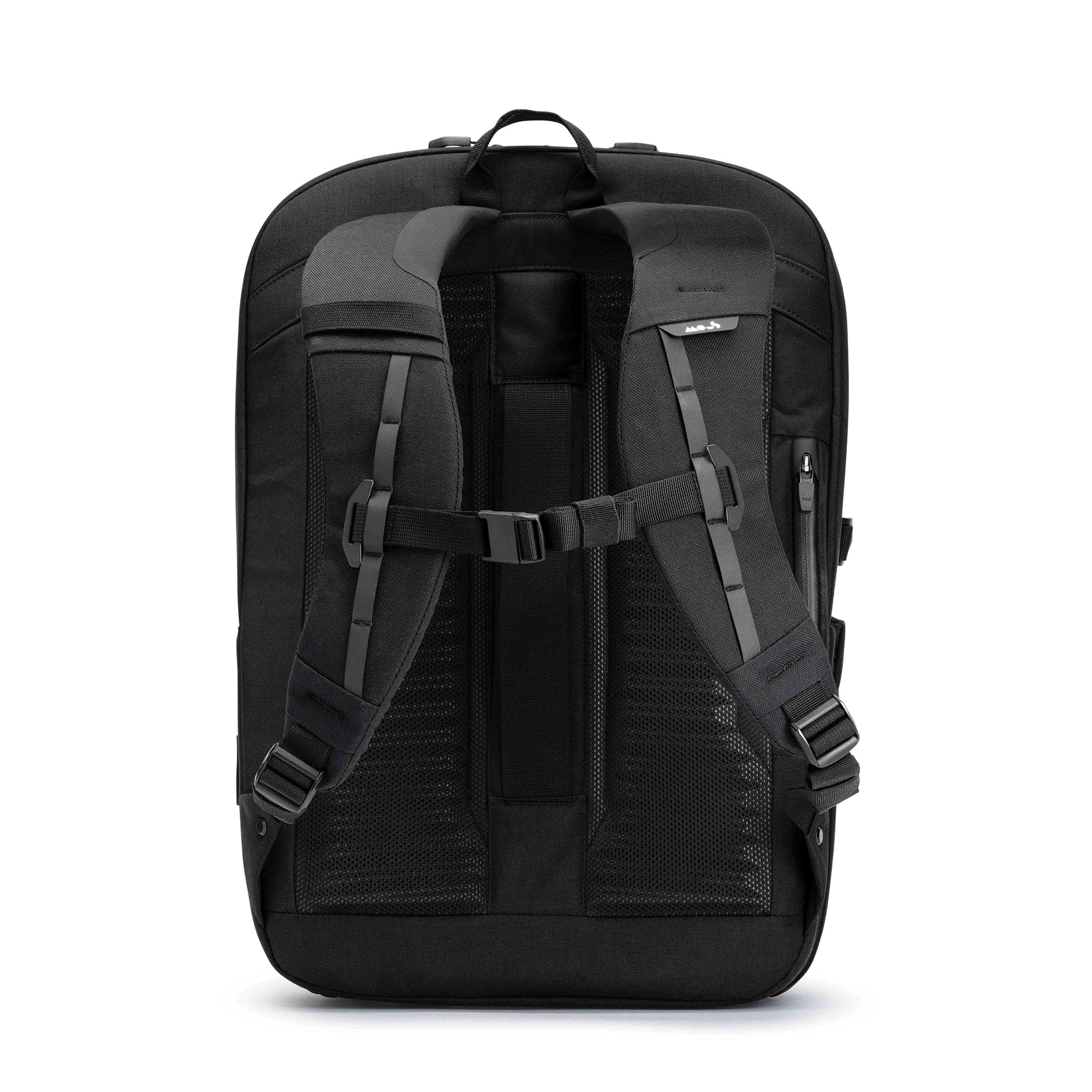
Ergonomics tested across body types from early prototypes. The back panel and harness was the last element to lock, requiring dedicated revision cycles to get weight transfer and airflow right.
AiroFoam had never been used in a bag before. It's built for impact protection, what makes Mous phone cases survive drops. In a bag, that meant engineering the laptop compartment around the material. Protection structural, not cosmetic.
The integration required extensive development with the Mous materials team. Performance validated through drop and impact testing to Mous's standards. Same rigour as the phone case claims.
The harness was developed for comfort across extended carry, with adjustment points for single-handed operation. Tested across body types and iterated until weight transfer felt right at pace.
Material selection was non-negotiable. Mous is built on performance claims that hold. Phone cases tested to failure publicly. The bag needed the same credibility. We specified up at every junction where longevity mattered.
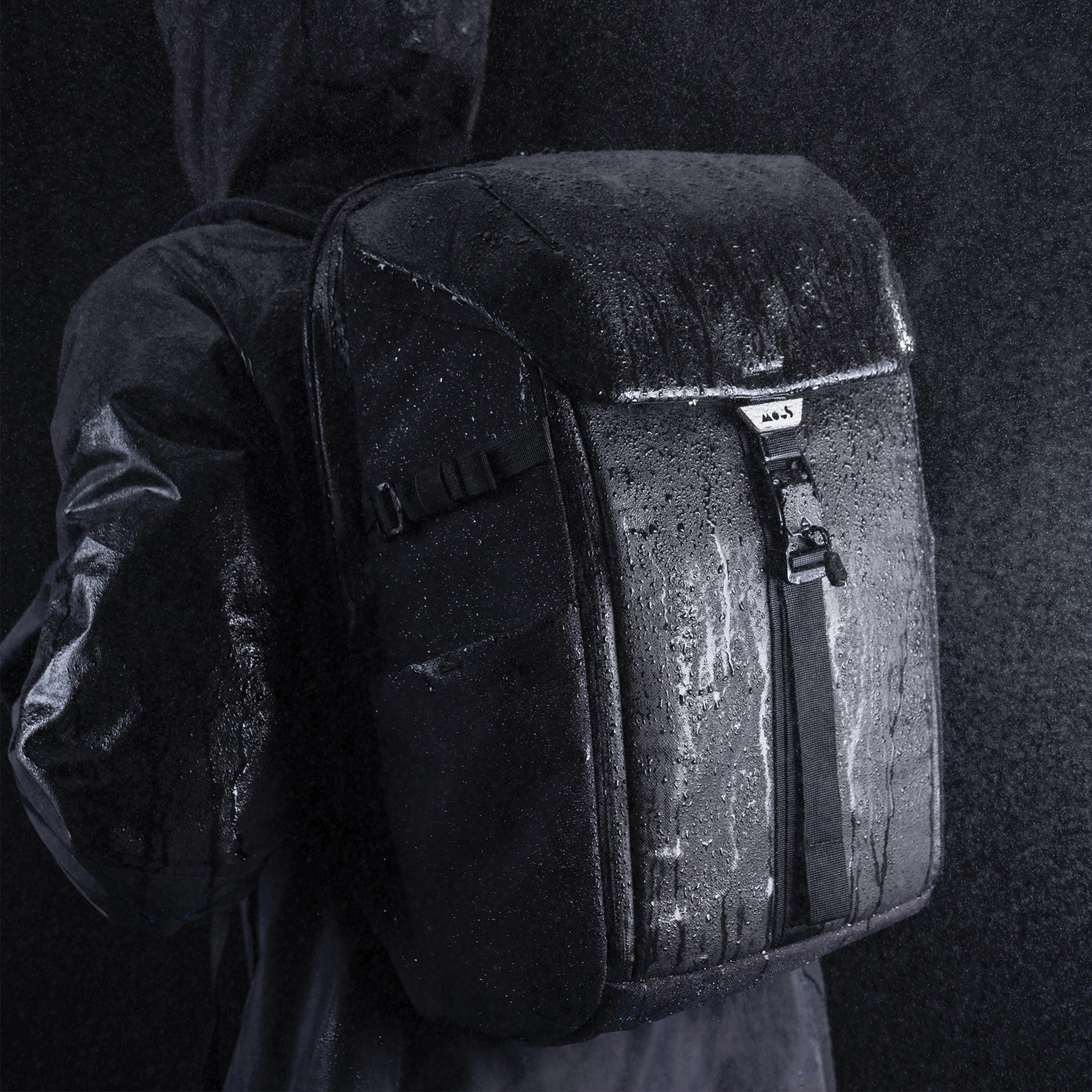
Primary shell is 840D Carbonated Nylon, anti-scratch resistant, durable for a commuter. Secondary panels 500D Kodra. Interior 210D nylon. Back panel and harness use Nylex, four-way stretch, performance mesh at contact points. Exposed seams bar-tacked; key load seams double-stitched with bonded thread.
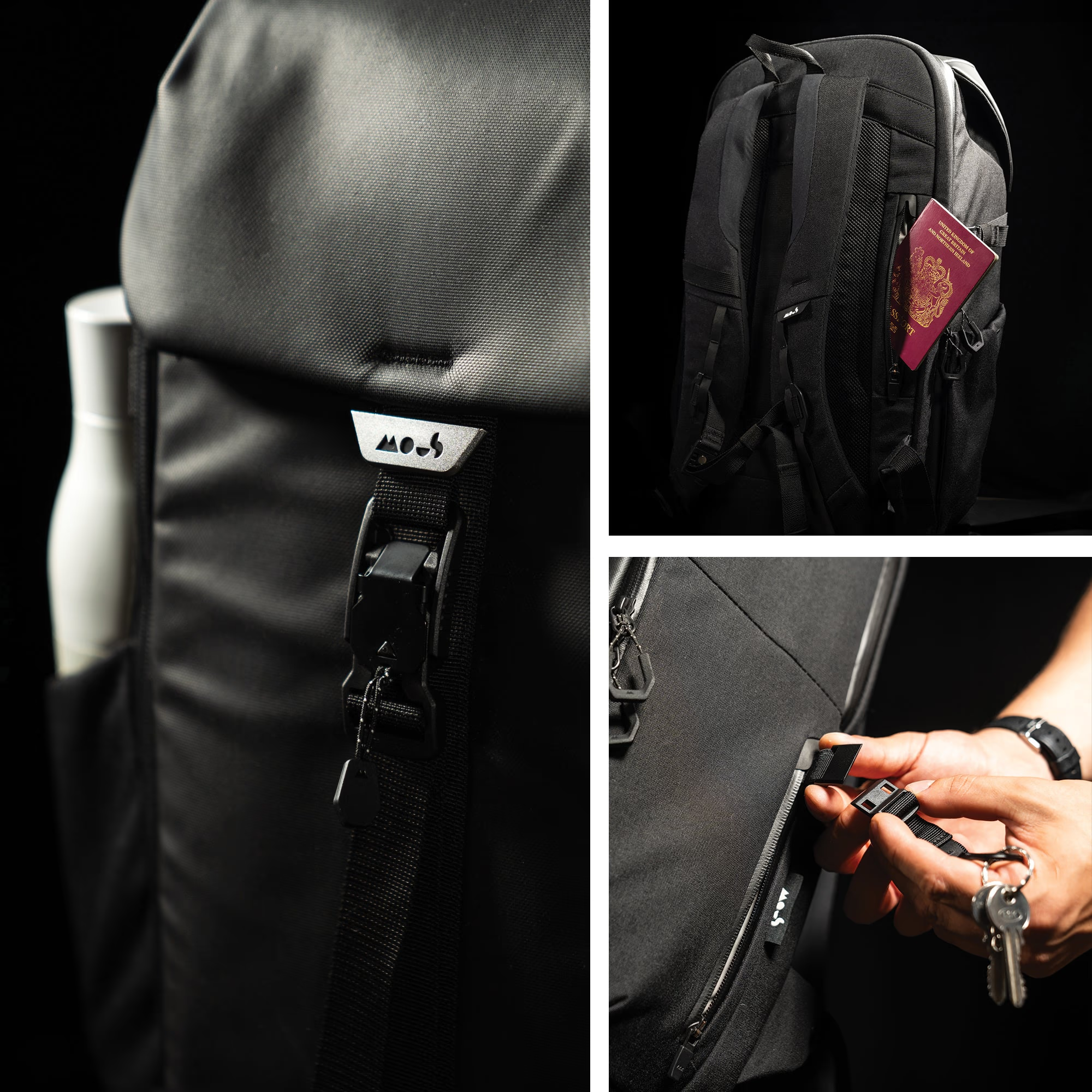
Zips YKK throughout, AquaGuard waterproof on laptop and main, standard #5 elsewhere. Buckles, D-rings, triglides, adjusters from Woojin, matte gunmetal for consistency.
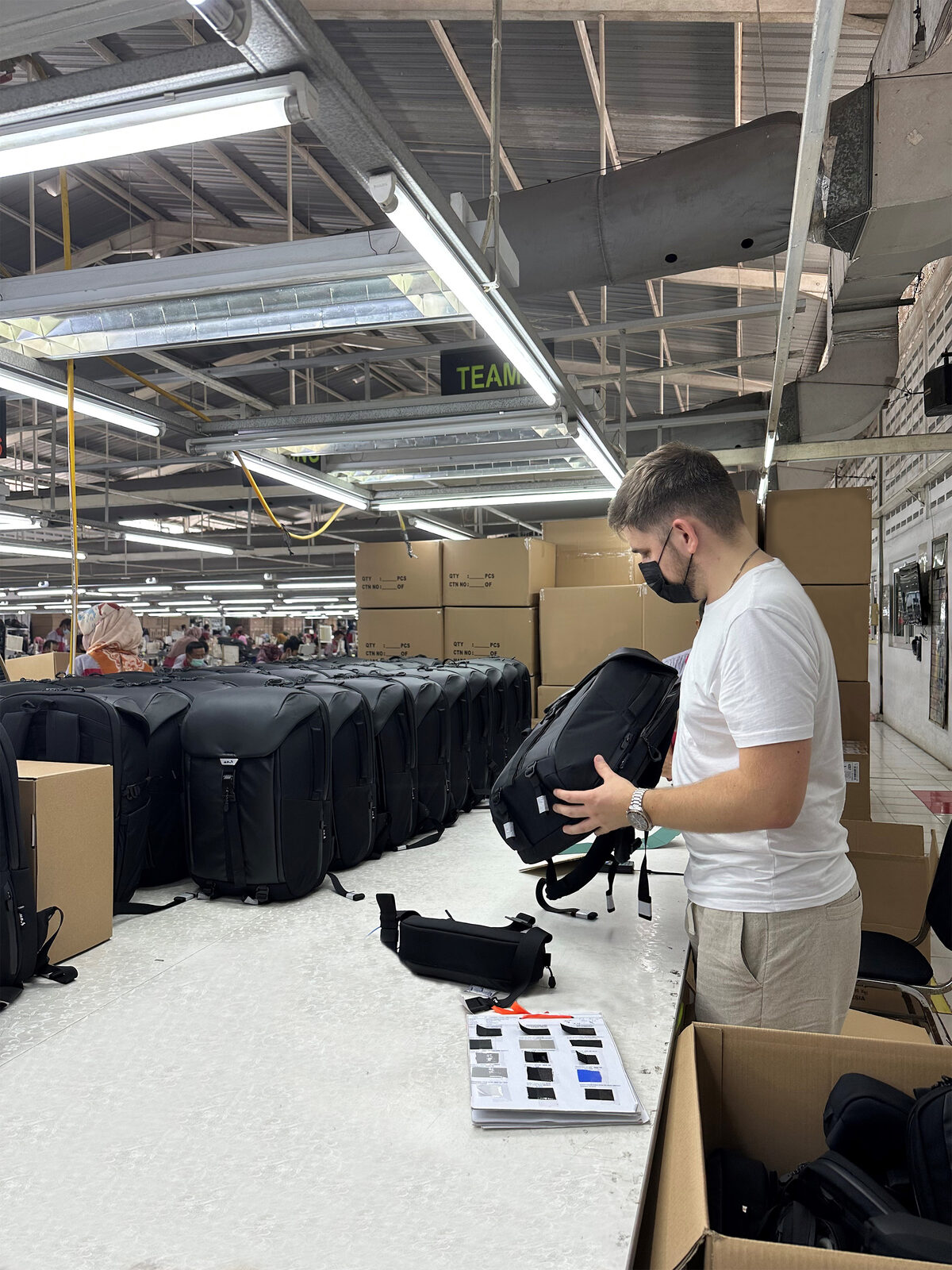
We had our own QC resource on-site throughout the production run, with the factory's primary focus on AiroFoam integration and bonding to spec.
At this production volume, we brought in a third-party QC partner to work alongside our own resource. This is something we provide as standard on larger orders, there are finite man-hours in a day, and maintaining inspection coverage across a full run at AQL 2.5 requires capacity as well as expertise. The third-party team handled statistical sampling on standard attributes, freeing our own resource to focus on the AiroFoam integration as the critical variable.
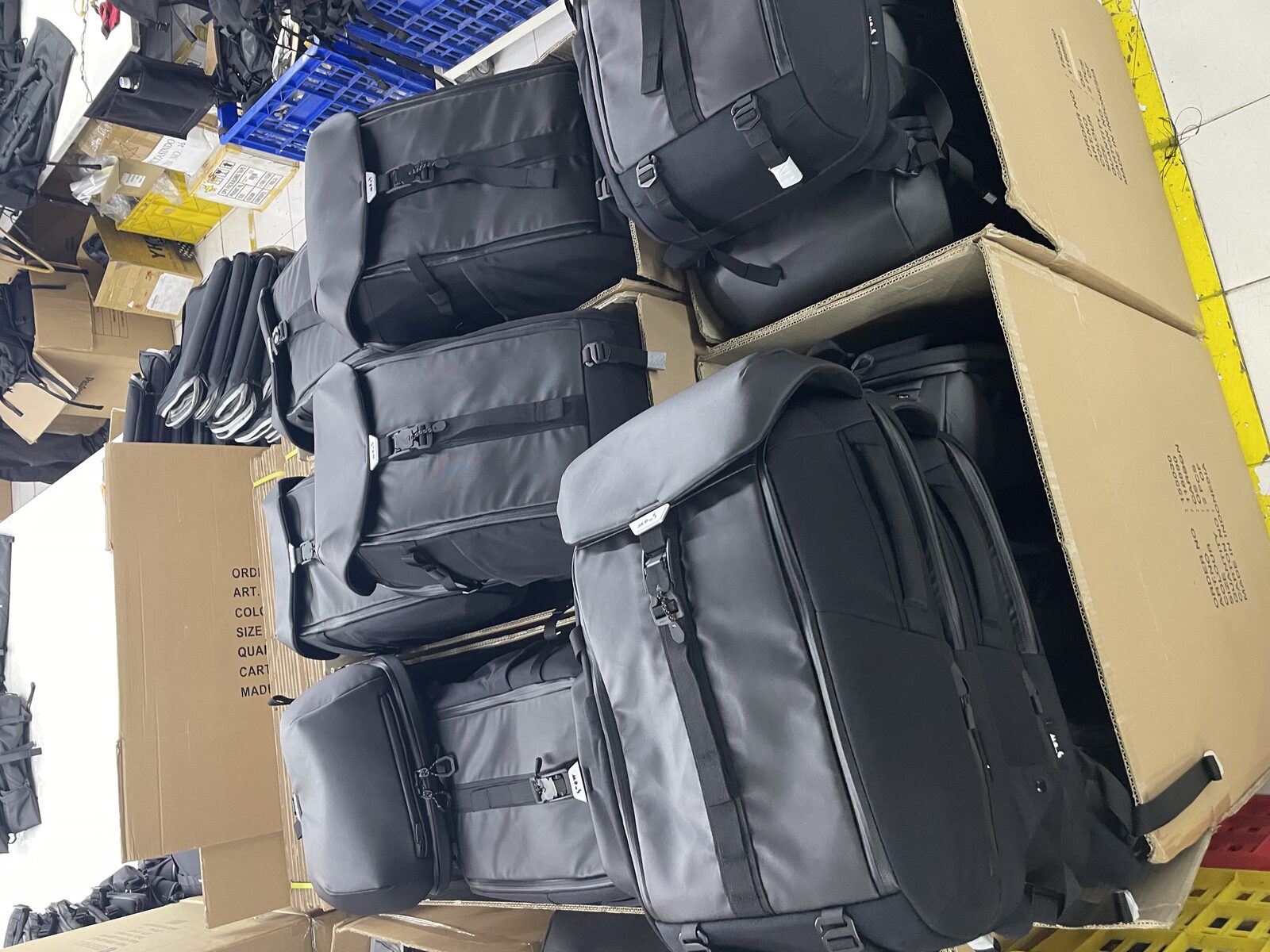
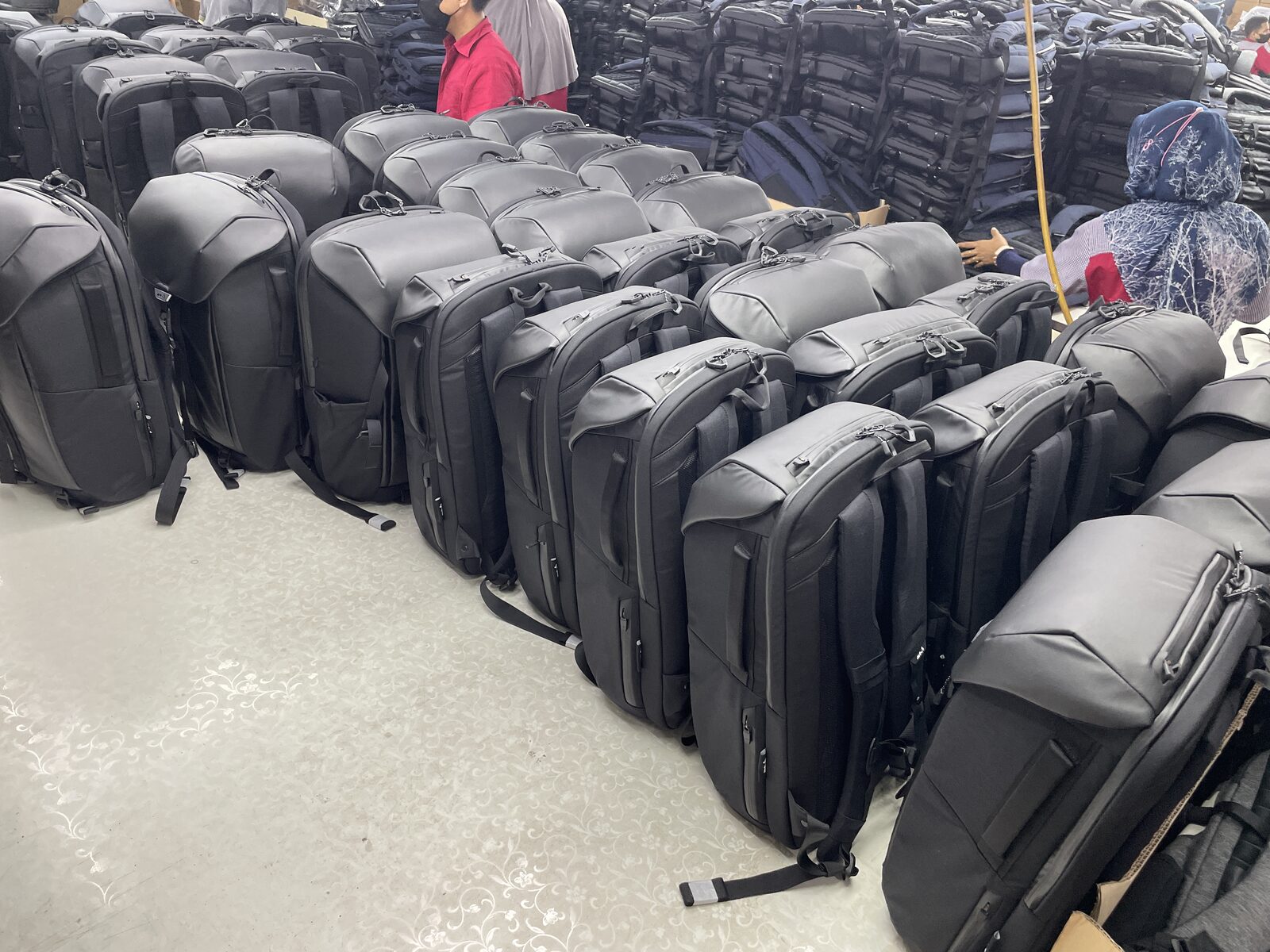
All units were inspected to AQL 2.5 standard throughout the production run. Critical defect tolerance: zero. Major defect tolerance: within AQL 2.5 tables. The AiroFoam bonding was treated as a critical attribute and inspected on every unit in the first run, moving to statistical sampling after the line settled.
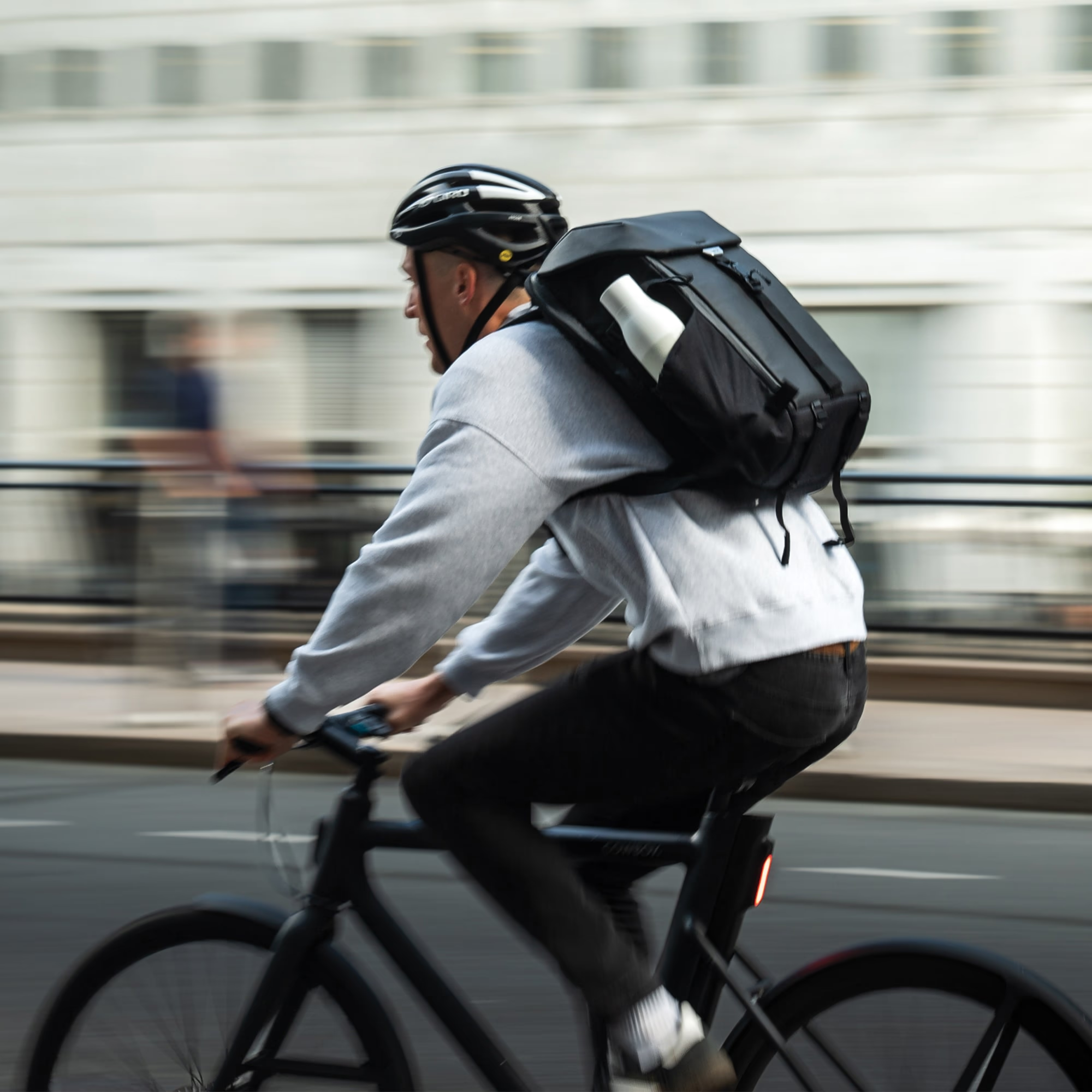
Mous Extreme Commuter 25L
The 25L launched to Mous's existing customer base and expanded their offering into a new category with credible performance credentials. The AiroFoam integration held up in real-world use.
The design system built for the 25L was immediately applied to the 18L variant, which entered development within months of the first launch, significantly reducing the development timeline and cost on the second product because the core architecture was already proven.
It works better when design and manufacturing talk to each other throughout.