Mous
Extreme Commuter
Zip Backpack
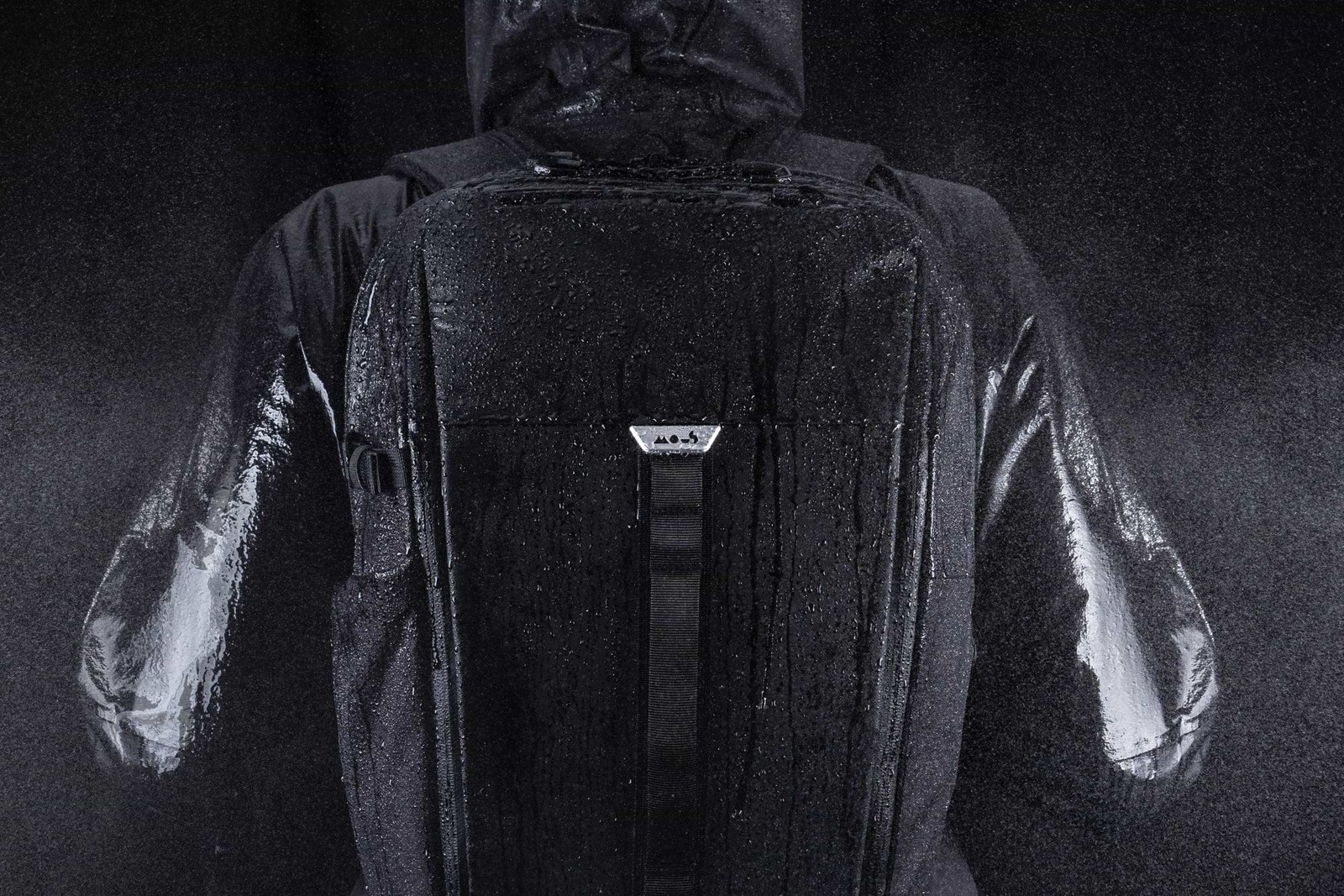
The lid version protects. The zip version moves. Same AiroFoam tech, same materials, different access logic, for commuters who open their bag twenty times a day.
The lid version protects. The zip version moves. Same AiroFoam tech, same materials, different access logic, for commuters who open their bag twenty times a day.
Key facts
The Lid version uses a top-flap closure with Fidlock. Works with the bag's structure. A zip version changes the top panel geometry, which changes how AiroFoam behaves under compression.
It's not obvious until you engineer it. A zip around a structured bag puts different stress on corners, the zipper track, opening geometry than a flap. Get it wrong and the bag compromises on what it's known for.
Brief was clear: same protection, same materials, different access. Engineering had to solve the rest.
The wraparound zip track defines the entire top-panel geometry. We drew the zip path first. From that, the internal frame, AiroFoam positioning, opening dimensions all follow.
Counterintuitively, the zip version needed more internal structure, not less. The lid version has a rigid frame. The zip version relies on body construction to hold shape when open. The frame needed to be stiffer in different places.
A zip opening that feels smooth and reliable at ten degrees of temperature variation requires more engineering than most people expect.
The Zip profile is nearly identical to the lid from a distance. Intentional. Both needed to look part of the same range. The design work is in the details: how the zip seam runs, end stop placement, corner reinforcement where the zip terminates.

YKK AquaGuard runs the full wraparound zip. Not a detail, it's what makes the bag usable in rain without a separate cover. Corner reinforcements use bonded webbing overlay stitched twice and bar-tacked. End stops recessed to prevent snagging.
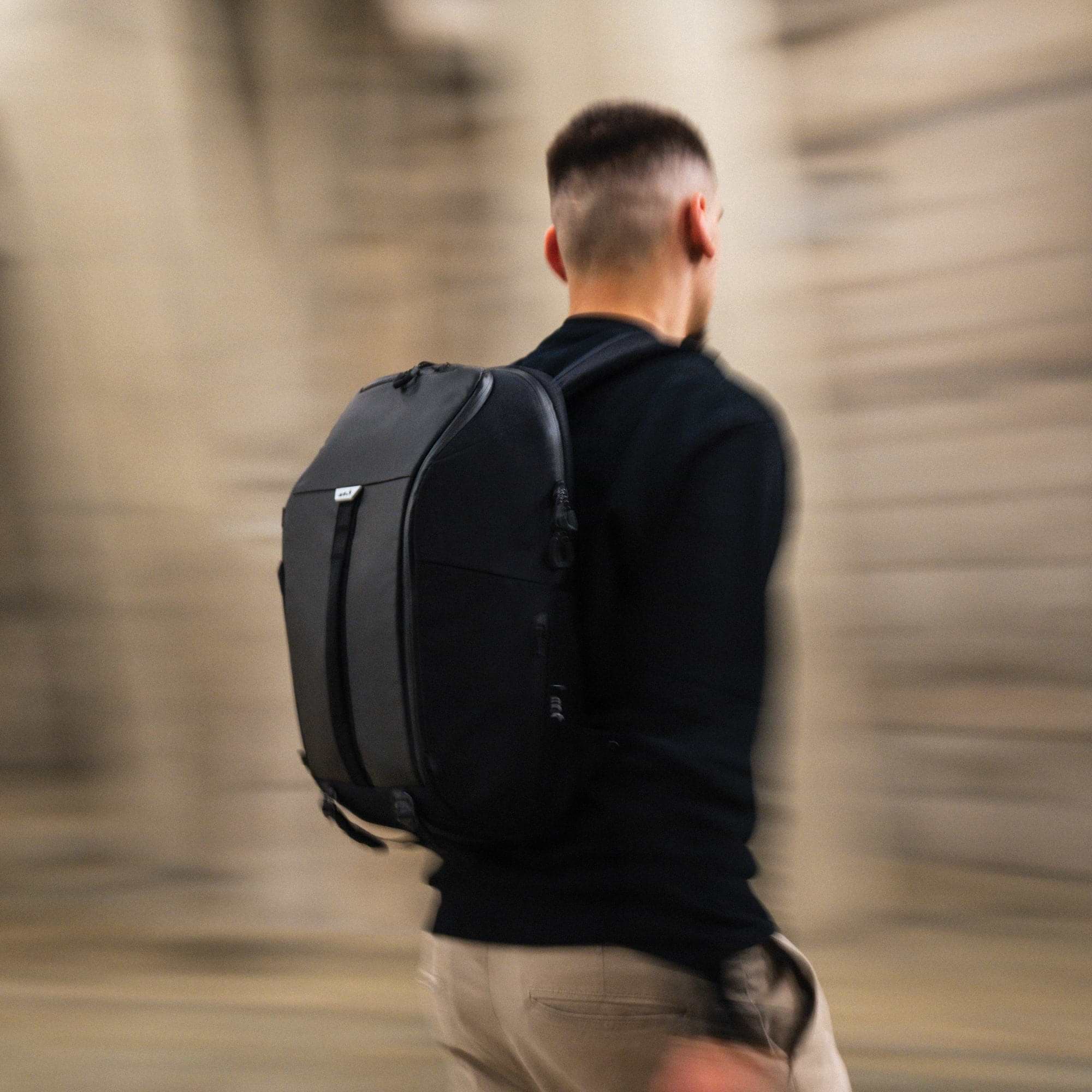
Using the same materials as the lid version wasn't just an efficiency decision. It was a brand consistency requirement. If the zip version used lighter shell fabric or cheaper hardware, the performance claim across the range becomes inconsistent.
Same 840D Carbonated Nylon shell. Same YKK zips and Woojin hardware throughout. Same bonded thread and bar-tacked seam spec. The zip version weighs slightly more than the lid version because of the additional corner reinforcement, that's the honest cost of the engineering difference.
Our scope on the Zip was design and development. Production was managed directly by Mous using the factory relationships and QC infrastructure established during the 25L and 18L runs. The groundwork laid on those earlier projects meant the Zip could move into production without needing to rebuild the supply chain from scratch.
Mous Extreme Commuter Zip
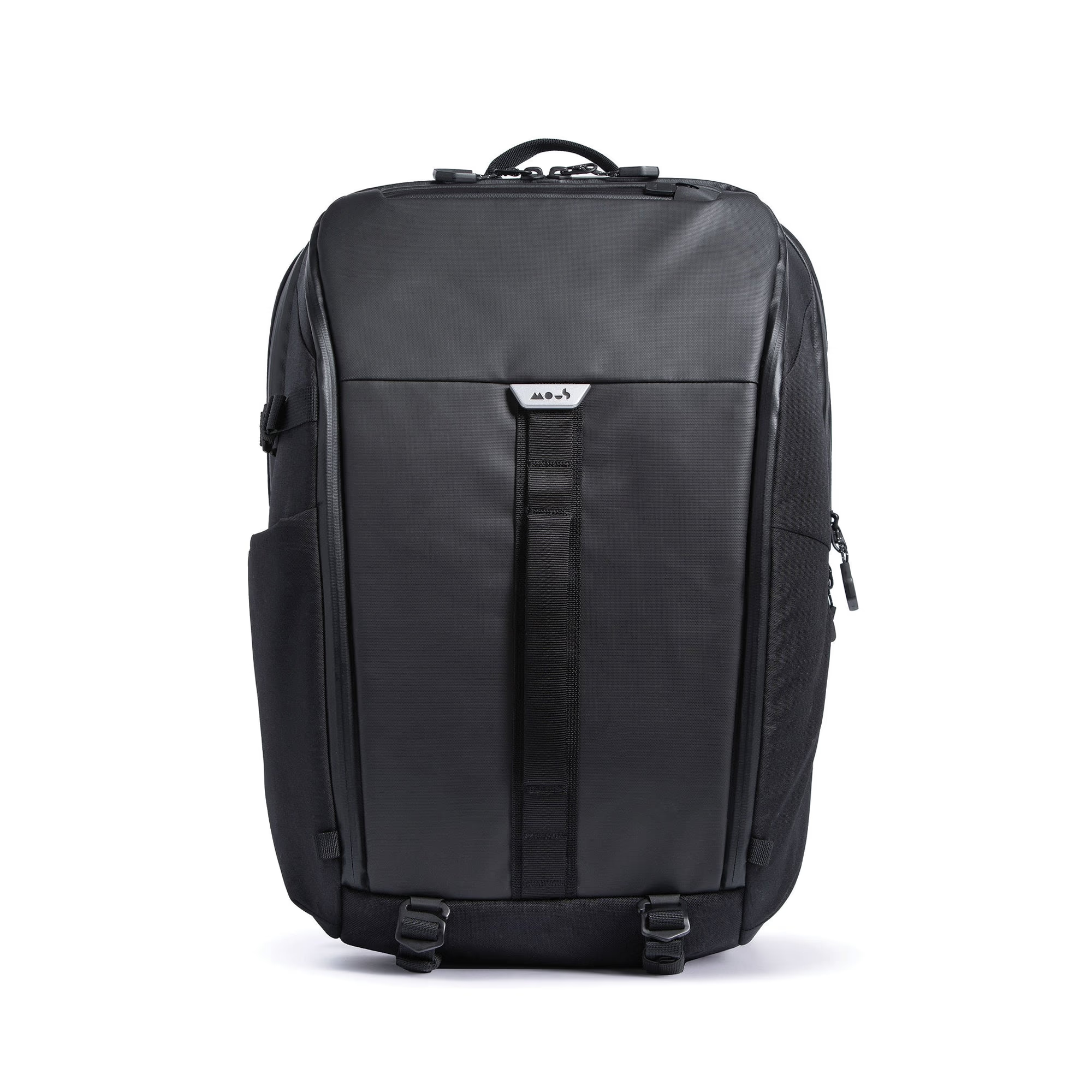
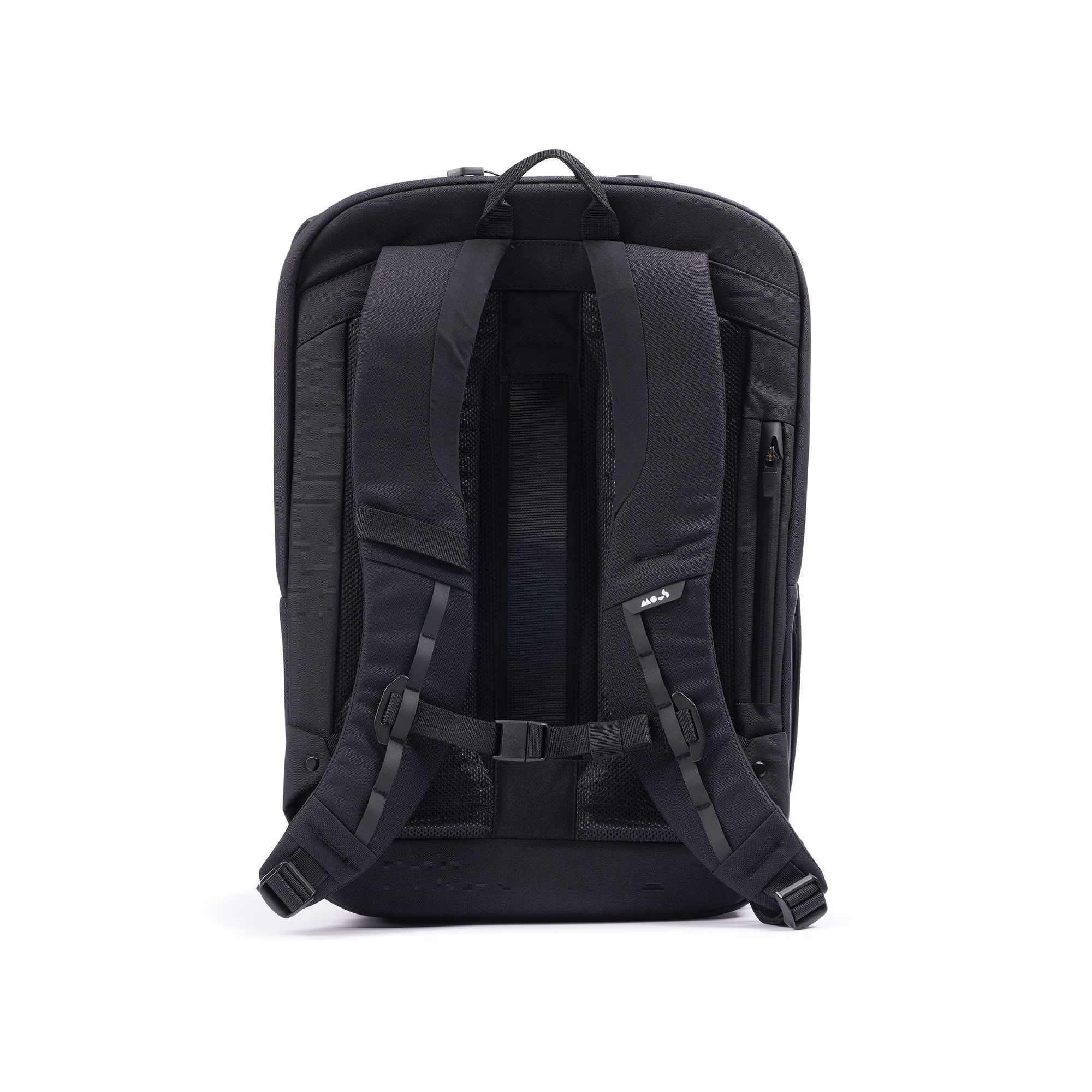
The Zip gave Mous a way to address a segment of the market that the lid version doesn't serve well: commuters who need frequent, fast access and don't want to work around a flap closure. The two bags look like a range. They function like different tools.
Building on the same design system as the 18L and 25L made the Zip development the fastest of the three. The supply chain, the factory relationships, the QC documentation, all inherited. The engineering was the new work.
Next project