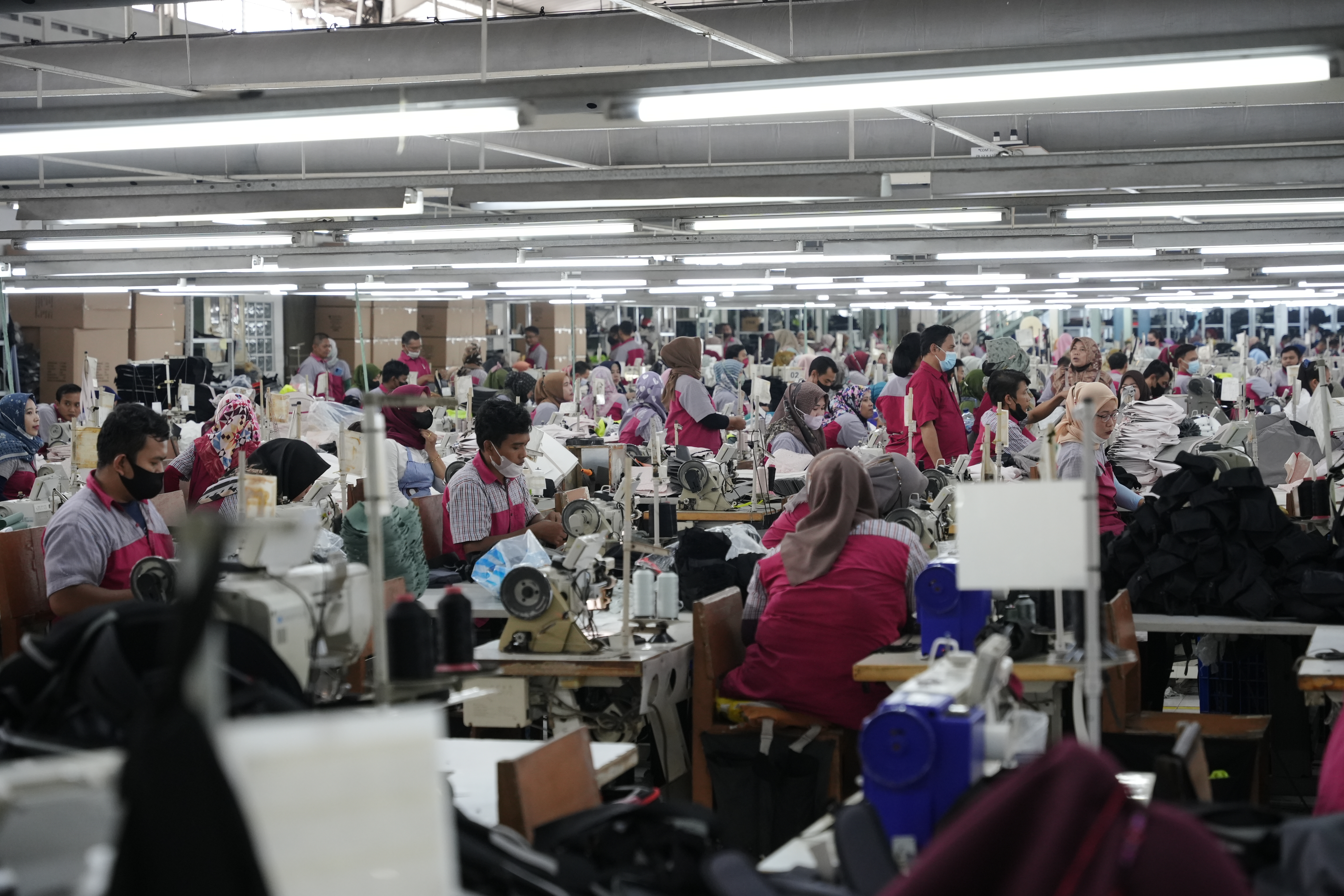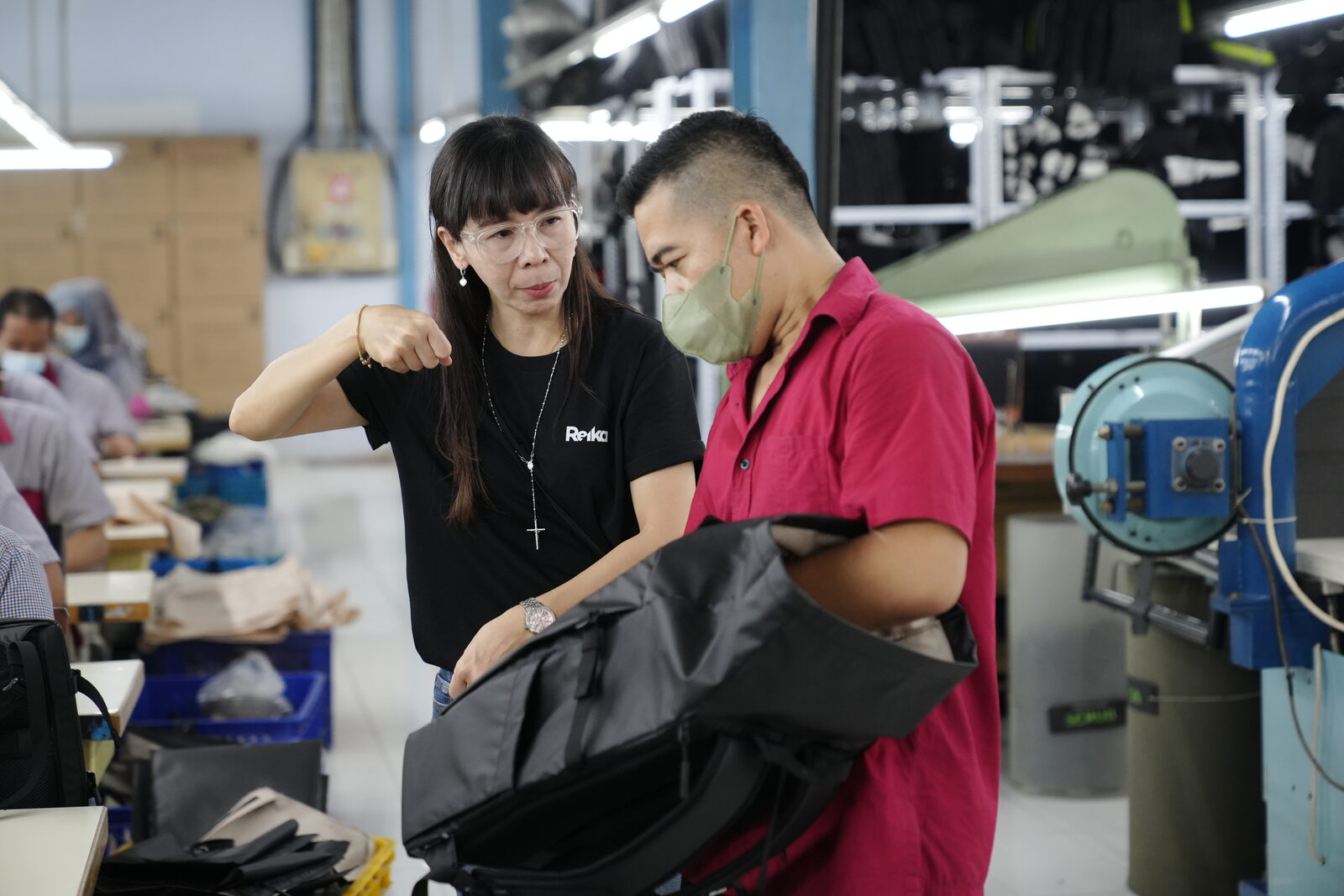
Manufacturing capability is similar in China, Vietnam, and Indonesia. Equipment is equipment. Process discipline is available everywhere. What's genuinely different is how problems are communicated, how feedback is given, how issues surface before they become catastrophic.
These differences aren't cultural stereotypes. They're operational realities built on supply chain maturity, business structure, management style, and how embedded a factory is in a network of suppliers and peer factories.
China's manufacturing ecosystem is the most mature and most competitive. Feedback from brands is direct and sometimes blunt, because there are twenty other factories ready to take your order. This directness can feel harsh until you realise it means problems don't get softened or hidden. If something won't work, you hear it immediately. The supply chain is sophisticated - if you need a component substituted on short notice, China has backups. The downside is that volume pressure can push quality margins, and factories often operate with thin margins that make contingency expensive.
Vietnam's manufacturing has developed differently. There's serious technical expertise, especially in footwear and apparel where factories have specialised for years. But the ecosystem is smaller. Feedback to brands is more formal and sometimes more cautious. Disagreement is communicated differently - less direct, sometimes coded in language that requires careful listening. This isn't evasion necessarily. It's a different communication style built on relationship hierarchy. The advantage is that Vietnamese factories often have deeper single-product expertise. The disadvantage is that getting straight answers sometimes requires experience reading indirect communication.
How problems surface
In China, if a factory sees a problem coming, they'll tell you fast. They'll also tell you what it costs to fix and ask you to choose. The speed is valuable. The directness is sometimes uncomfortable for brands used to softer feedback, but it's better than silence.
In Vietnam, problems often surface through careful questions rather than unprompted warnings. A factory director might not volunteer that a deadline is risky. But if you ask specifically, they'll tell you. The implication is sometimes more important than the explicit statement. This requires active listening and regular check-ins rather than assumption that problems will be raised unprompted.
Indonesia's manufacturing is growing but less standardised across factories. Some Indonesian factories operate at the level of the best Chinese or Vietnamese facilities. Others have significant gaps. The variation is wider. This means you need more detailed evaluation beforehand, but it also means you can find exceptional factories that aren't fully booked yet. Communication patterns vary by factory and owner background. Some factories are very direct, others less so.
How you get truth out of a factory is as important as the factory's actual capability. China rewards directness in pressing for information. Vietnam rewards relationship history and careful listening. Indonesia varies widely by individual factory. Know which communication style you're entering.
Supply chain integration
Chinese factories operate in an ecosystem where materials are immediately available, alternative suppliers exist for most components, and logistics are highly optimised. If something goes wrong, there are usually quick fixes. This integration means fewer surprises but also means costs can shift quickly if material prices move.
Vietnamese factories often have deeper relationships with specific material suppliers built on years of partnership. Changes to material sourcing can be slower because those relationships matter. But when something works, it's often more stable because everyone in the chain has worked together before.
Indonesian supply chains are less integrated, which means more direct coordination responsibility falls on the factory to manage. This isn't necessarily bad, but it requires more active management from the brand side. Contingencies need to be discussed in advance because improvisation is less fluid than in more mature ecosystems.
The best manufacturing outcome isn't about choosing the right country. It's about understanding how each factory communicates and preparing for the style of problem-solving they'll use.
We've had perfect production runs in all three regions and challenging ones in all three regions. The difference isn't location. The difference is alignment between how the brand communicates, how the factory operates, and whether those two things are compatible.
Choose your manufacturing region based on capability match and supply chain availability. But prepare your communication style based on where you're working. Directness in China, relationship-building in Vietnam, specificity in Indonesia. Match the style to the location and you'll get much further.