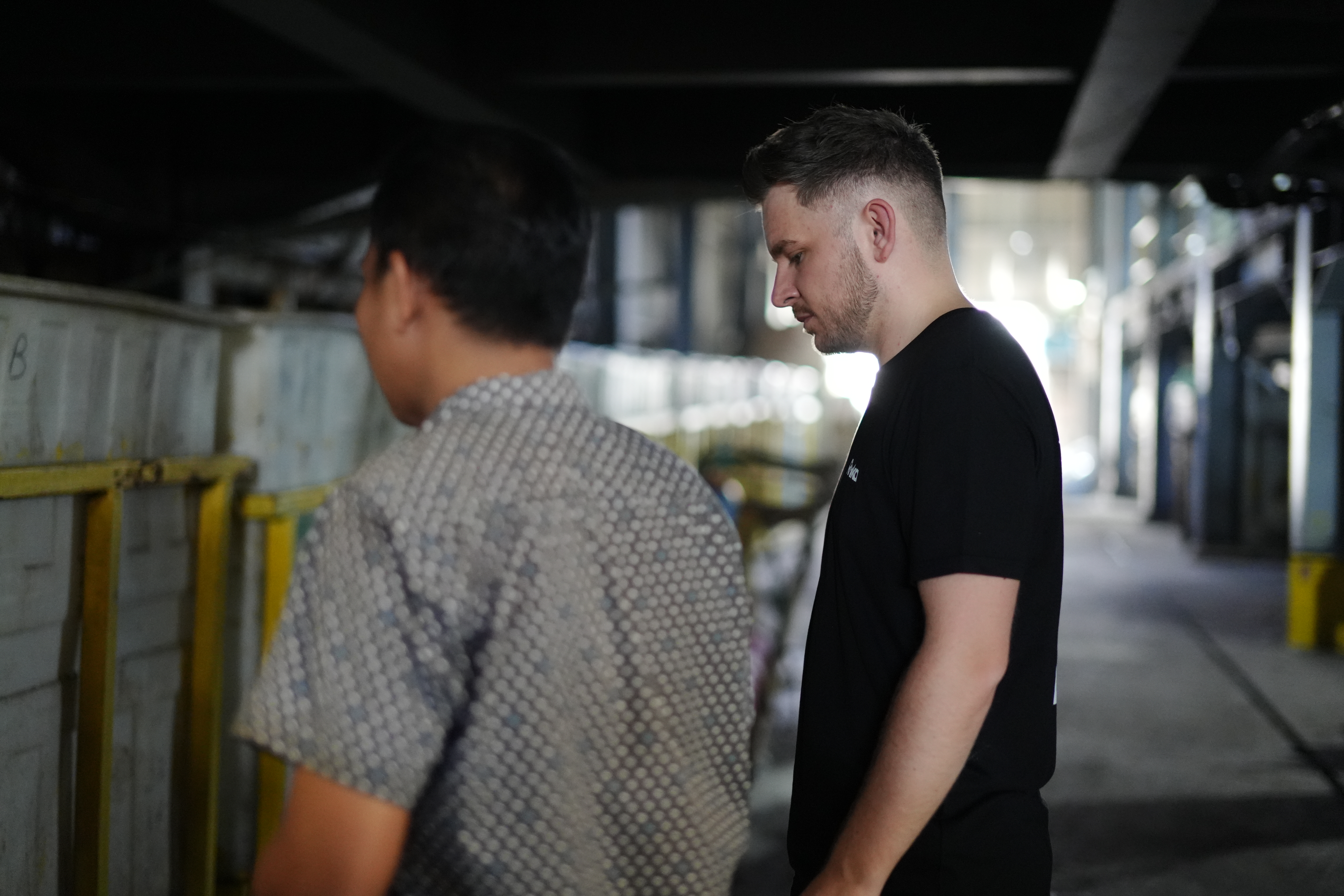
Factory showrooms are immaculate. The display samples are perfect. The factory director gives you the tour, shows you the newest equipment, introduces you to the team. It all looks like exactly what you need. Then you start production, and something is different.
The difference is between showroom quality and production quality. The samples in a showroom have had unlimited attention. The skilled seamstress spent as much time as needed. Multiple rounds of inspection happened. That's not how your order gets made. Your order gets made by the regular production team, on the regular schedule, with the same time budget as every other order.
Evaluating a factory before you've made a sample is about asking questions that reveal the gap between what they show you and what they actually deliver. Most brands never ask these questions. They ask about lead time and price and minimum order quantity. Those answers don't tell you anything about execution quality.
The questions that actually matter
Ask to see production samples from recent orders - not display samples, production samples. Ask if you can speak to two brands they've produced for in the last year - and talk to them. Not the referrals the factory suggests, but brands the factory has done work for. Ask about their rejection rate. Not their target, their actual rate. Ask what usually gets rejected and why.
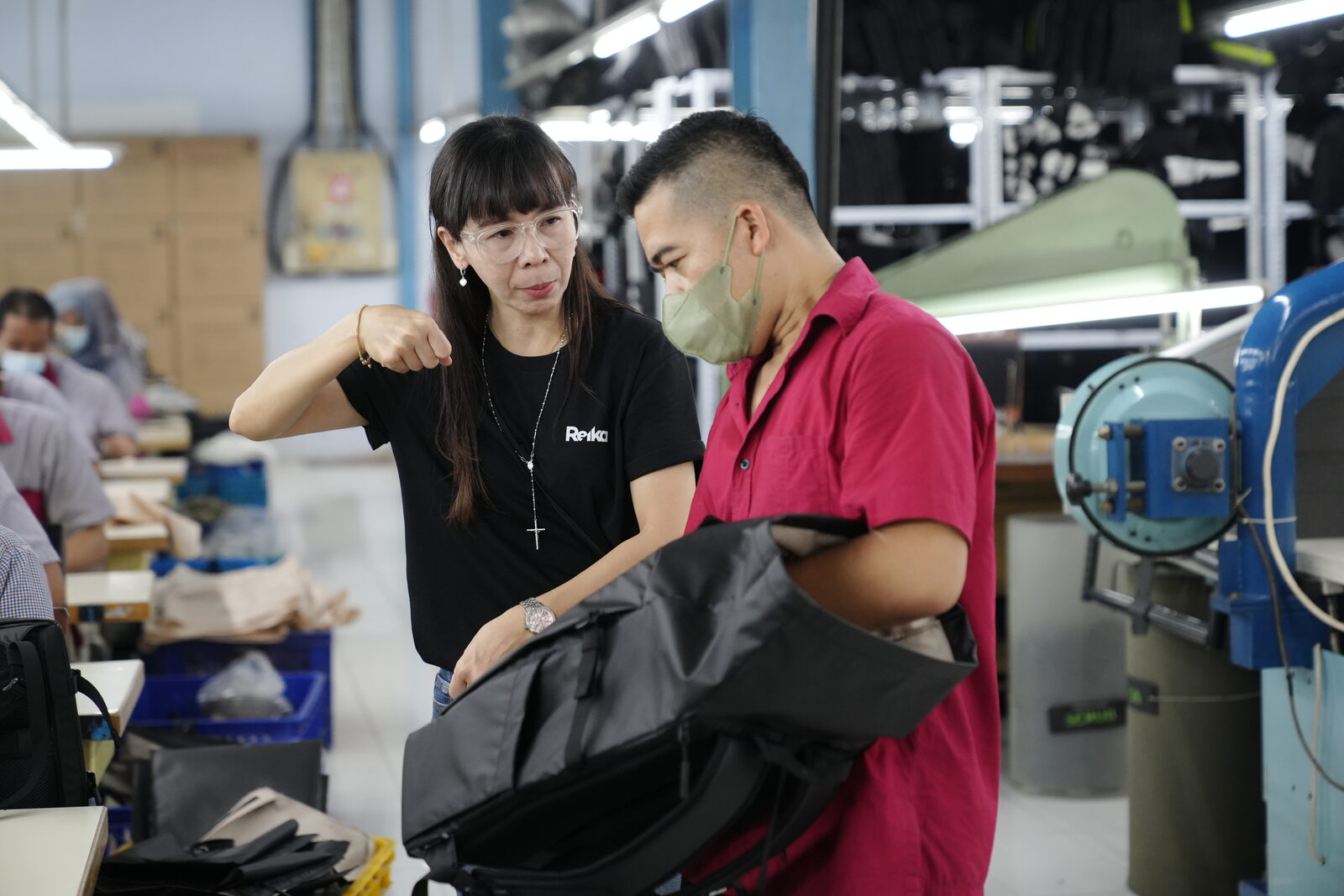
Ask about their quality control process specifically. Who does inspection? How many touchpoints? At what stage do they stop a production run if they see problems? Can they show you a specific example from the last month of where they caught something and what they did about it?
Ask about their equipment maintenance schedule. When was equipment last serviced? What breaks most frequently? How do they handle thread tension consistency across a long run? These aren't theoretical questions. They reveal whether the factory has thought about what causes quality failures.
Ask about material issues. What happens when fabric arrives with defects? Can they identify it before cutting? What's their tolerance for shrinkage variation in your specific material? Have they worked with your material supplier before? Do they have a relationship with them? These questions surface hidden complexity.
How quickly a factory can answer detailed technical questions about their own process is more revealing than how good their showroom looks. If they're vague about equipment, process, or quality metrics, you haven't found the right answers yet. Vague is a warning sign.
Watch for execution indicators
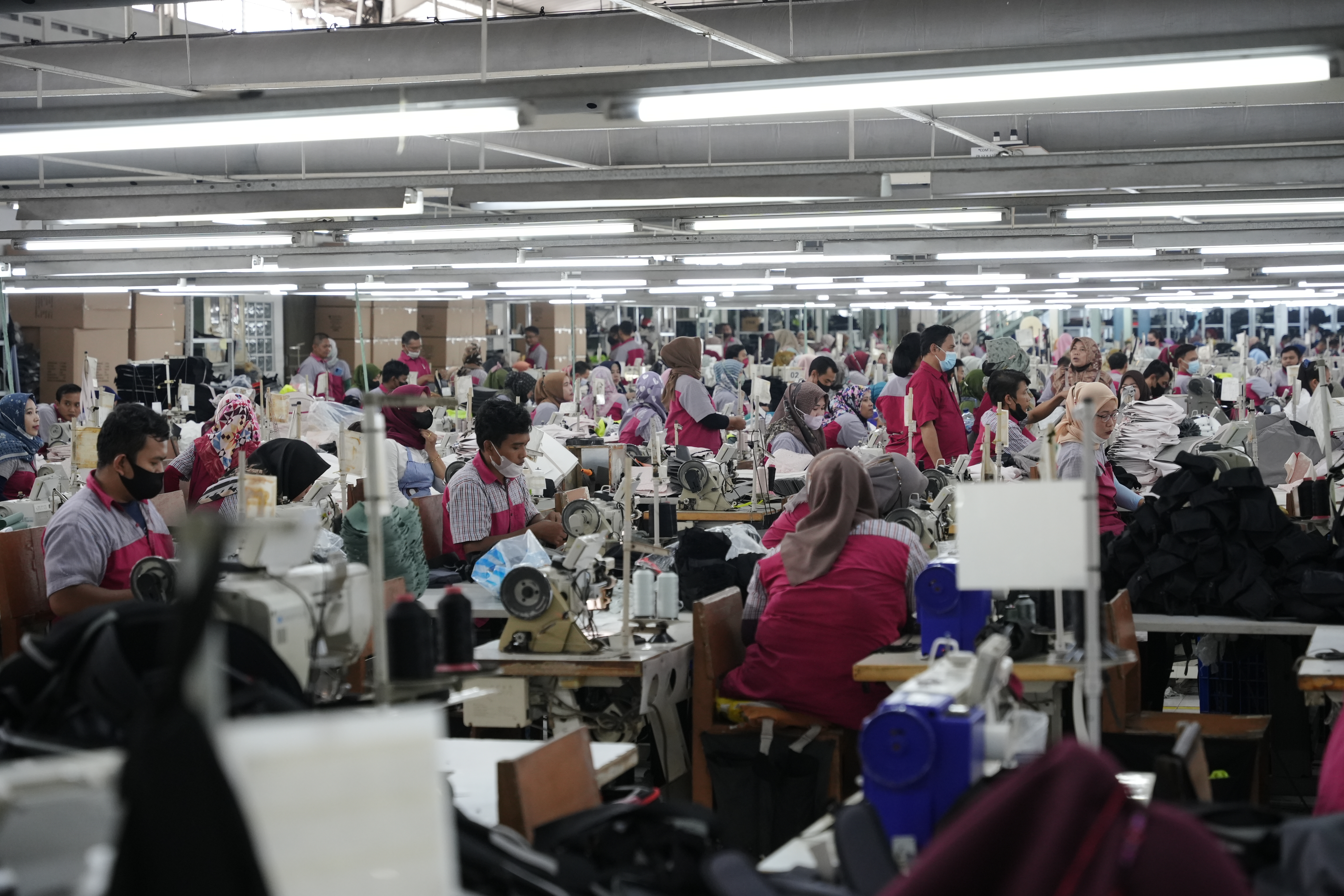
Look at the factory floor itself. Is equipment well-maintained? Are workstations organized? Is there a clear flow for materials and finished goods, or is everything kind of chaotic? Are there obvious quality control stations with people actively inspecting, or does quality control seem to happen at the end if it happens at all?
Ask about staff retention and training. How long have the supervisors been there? How do they train new people? If the factory relies entirely on experienced staff that aren't being replaced, that's fragile. If they have systems for bringing people up to standard, that's sustainable.
Ask about their most common customer complaint in the last year. Not to be adversarial, but because most factories that self-reflect can answer this question honestly. The factories that can't are either hiding something or not paying attention. Neither is good.
The factories that survive aren't the ones with the best initial impressions. They're the ones that know exactly where they fail and have systems to prevent it.
You're looking for a factory that can articulate what goes wrong and how they prevent it. The sample stage is where you find out if they were being straight with you during the evaluation. The best way to predict that is to ask detailed questions now and see if the answers hold up under production pressure.
Don't evaluate a factory based on what they show you. Evaluate them based on what they know about themselves. The factories with the deepest understanding of their own limitations and processes are the ones that produce reliably.