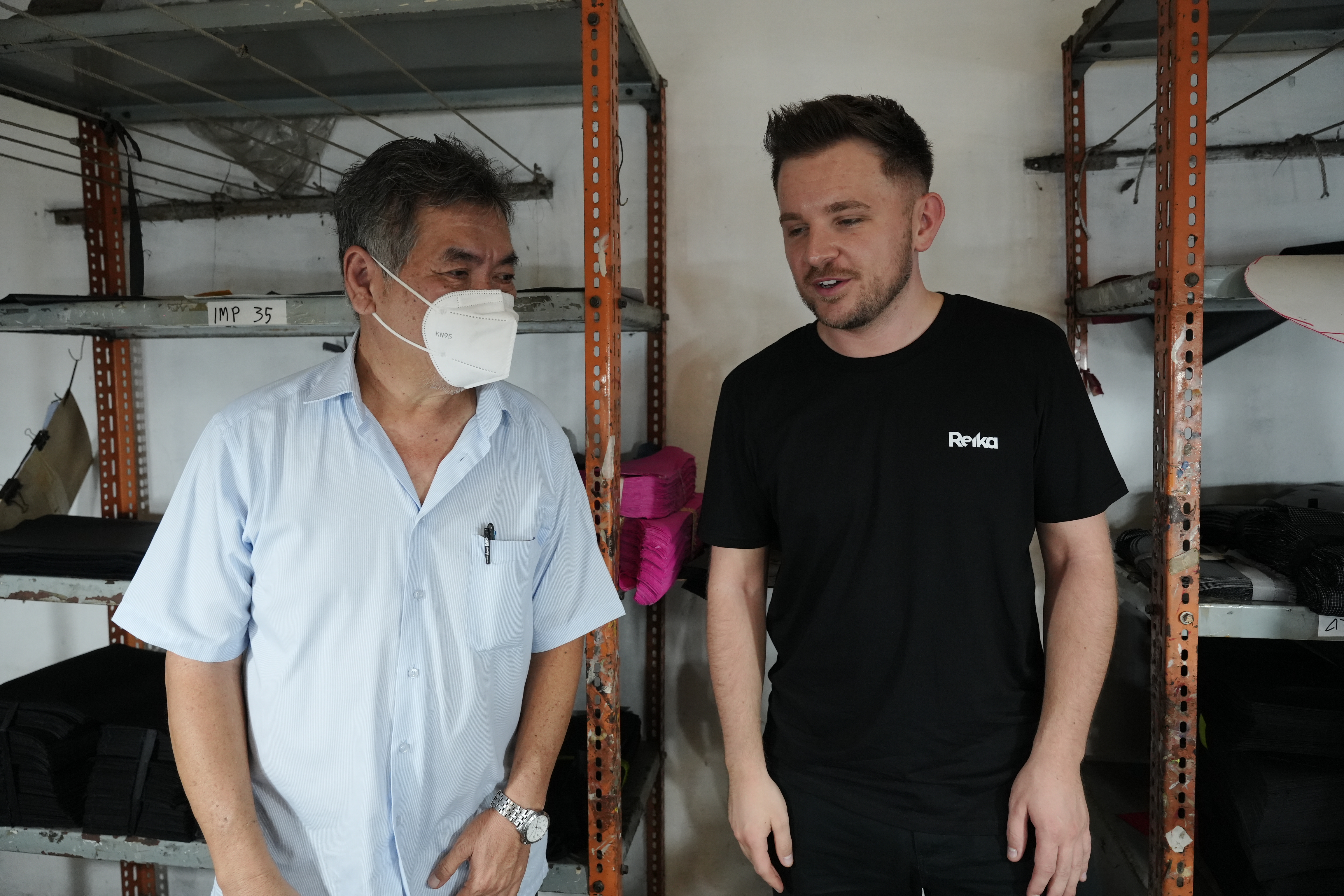
Most brands design bags outside-in. They sketch a silhouette that looks appealing. They add features they think users want. They detail pockets and hardware. Then they ask the factory: how much does this cost to make? The cost is usually higher than expected. The design gets complicated. Compromises accumulate. This is backwards.
Outside-in design thinking
The process starts with aesthetics. What visual proportions look right? Does the bag have the presence we want? Once the silhouette is locked, features get added. Pockets for this, organization for that. Each feature adds appeal in the marketing brief. Then construction details get specified. Seam types, hardware, finishes.
By the time a production cost estimate arrives, the design is already 80 percent committed. Changes are expensive. Removing a feature feels like descoping. Adding a reinforcement to make something work adds cost and complexity. The final design is often a negotiation between the original vision and what the budget allows. Compromises accumulate across multiple decisions. The product that ships is rarely what the designer intended because the cost and manufacturing reality forced trade-offs.
This approach treats manufacturing as a constraint to be worked around rather than a logic to design from.
Inside-out design thinking
Commercial product design starts with user need. Who is going to carry this? What's actually going into it? How will they actually carry it? How long do they expect it to last? These are the real requirements. Everything else is interpretation.
From user need, define the functional requirements. A commute backpack needs: space for a laptop, quick access to phone and keys, weather resistance, comfortable carry for one hour. Those requirements constrain the design. You don't need a 70-litre pack for a commute. You don't need multiple load-bearing straps. You do need supportive shoulder straps. You do need a weather-resistant base. The user need points toward specific features.
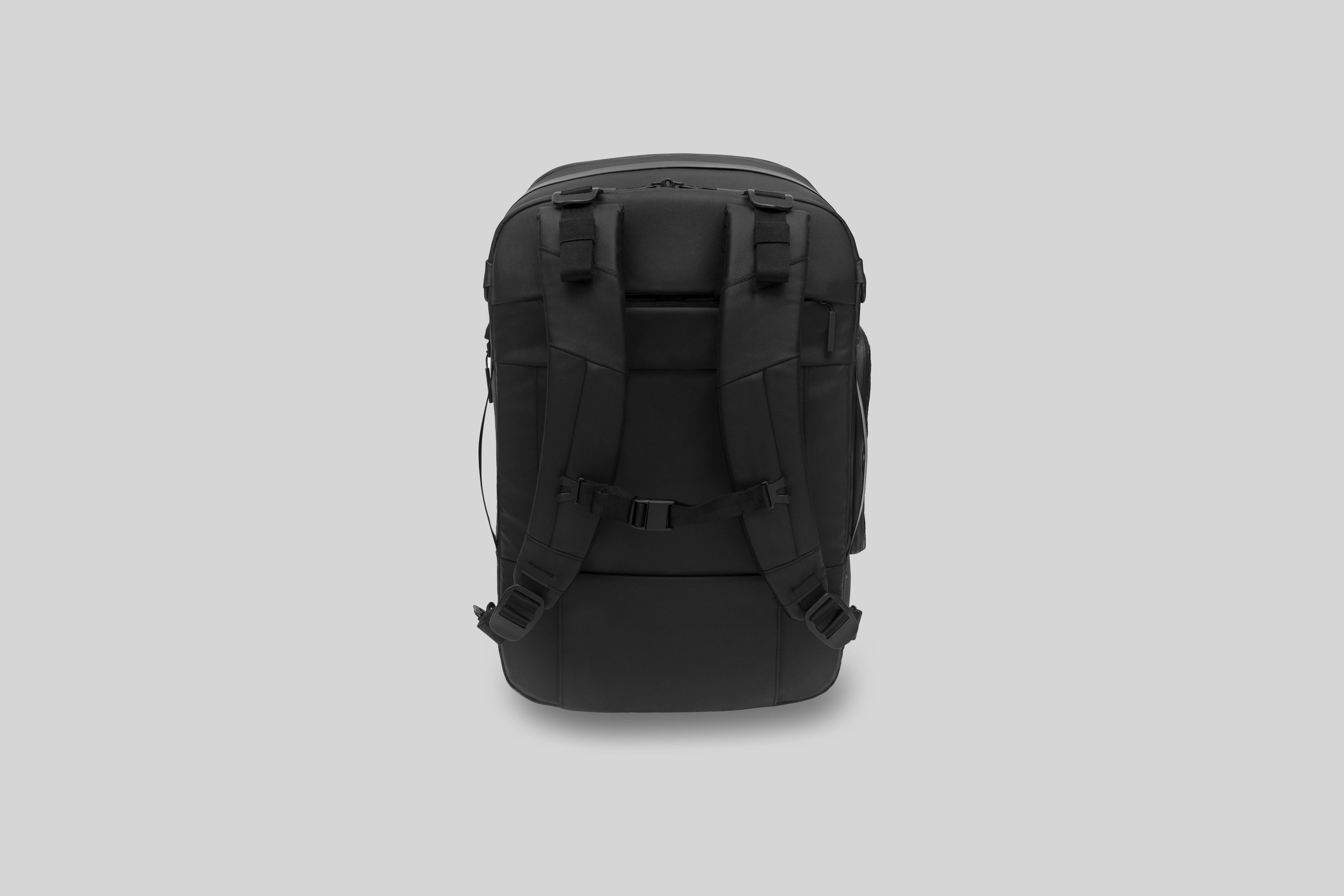
Then design the construction logic. How does material flow through the bag? How does load transfer to the wearer? Where do stress concentrations exist? Once the structural logic is clear, the form follows. A backpack designed from the harness inward looks different from one designed from the exterior silhouette outward. The harness defines the back panel geometry, which constrains the main volume, which determines the overall proportion.
Only then do aesthetics get applied. The bag's form is already determined by function and manufacturing logic. Aesthetics refine within those constraints. Colour choices, hardware finish, visual details. The design maintains integrity because the form isn't arbitrary. It's derived from structural and functional requirements.
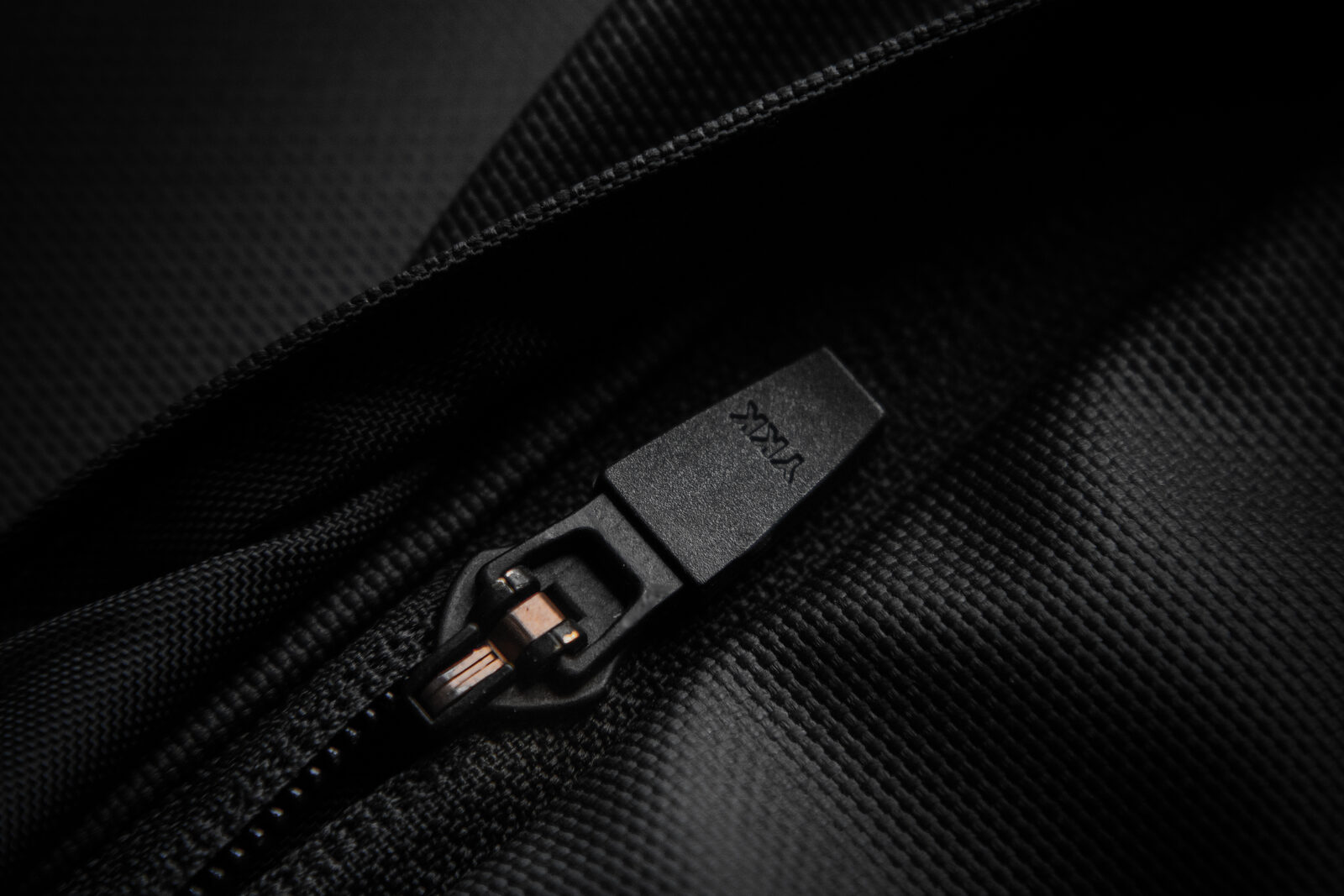
Finally, cost falls out of construction efficiency. Because the design started with user need and manufacturing logic, piece count is already rationalized. Seams are placed where they need to be, not everywhere. Features exist because they serve a function. The cost is lower because the design isn't fighting itself.
What inside-out design delivers
A harness-first backpack design produces a bag that's comfortable to carry for extended periods because the geometry was designed around body mechanics, not squeezed around an exterior silhouette. A construction-logic-first pocket design produces pockets that are easy to use and durable because they're integrated efficiently, not added as afterthoughts.
This approach also moves faster through revisions. When the user need is clear and the structural logic is understood, feedback becomes specific. Instead of "we need to reduce cost," the conversation becomes "the pocket placement makes reaching difficult; let's move it and see if that simplifies construction." That's actionable. That drives better decisions.
The cost target becomes achievable because the design isn't fighting manufacturing reality. The factory isn't discovering mid-production that a feature was poorly specified or that the construction adds unexpected complexity. The design arrives with the cost estimate built in.
Design a bag by defining who carries it, what goes in it, how to construct it efficiently, and only then how it looks. Function and manufacturing logic determine form. Aesthetics refine within constraints.
We've worked with brands that shifted to inside-out design thinking and saw faster iterations, lower production costs, and stronger products. Not because they compromised on quality or appearance. Because they aligned design intent with manufacturing reality from the beginning. Form followed function instead of fighting it. The result was coherent design where every element earned its place.
The hardest part is resisting the urge to sketch the silhouette first. Every designer wants to see the shape quickly. Inside-out thinking requires patience. Write down the user need. Define the functional requirements. Sketch the construction logic. Let the form emerge from those constraints. Then add aesthetics. The final design is stronger because it's based on real requirements instead of visual assumptions.