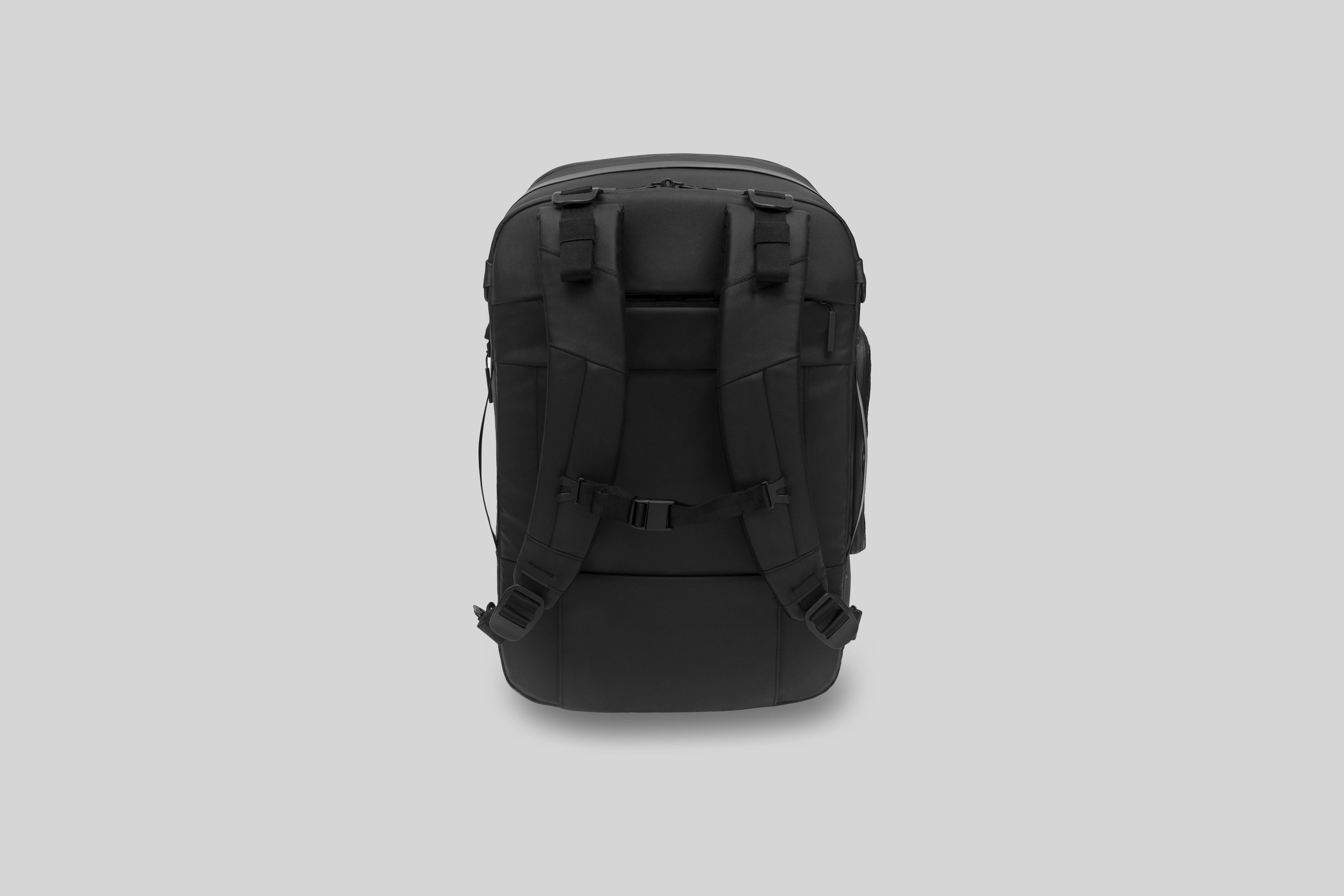
A simple canvas tote bag consists of roughly twelve pattern pieces: two exterior panels, two interior panels, a base, two sets of gussets, handles, and various reinforcements. A technical backpack with load-bearing harness, multiple compartments, and integrated organization can easily exceed 120 pattern pieces. The difference between those two numbers determines labour cost per unit at the factory more than nearly any other design variable.
Why piece count drives cost
Every pattern piece means a cutting operation. Fabric is laid out in plies, pieces are marked and cut, scrap is removed. The cutting takes time. With multiple plies, the time compounds. A single exterior panel might take five minutes to cut correctly across a two-ply lay-up. That's ten minutes per unit in cutting labour alone, before sewing begins.
Every piece also means alignment and sewing. Two pieces get positioned, sewn together, checked for alignment. If that's a simple edge seam, it's efficient. If it's a curved seam requiring careful positioning or a seam with a reinforcement patch that needs to be positioned first, the labour time increases. A technical backpack with 120 pieces might have 80-100 distinct sewing operations. Each operation is a separate setup, positioning, and execution step.
Piece count also drives inspection time. More pieces mean more join points where defects can emerge. Misalignment, thread tension issues, dropped stitches. A tote with twelve pieces has maybe forty linear metres of seams. A 120-piece backpack has 300+ linear metres. The inspection time to check seam quality scales with the total amount of sewing.
In a factory environment, labour is the dominant variable cost after materials. A ten-piece design versus a twenty-piece design at the same factory, using the same materials, will see a 20-30 percent cost difference in labour per unit. That's not variation. That's the direct impact of piece count on production efficiency.
How design decisions affect piece count
Separating front and back panels creates at least two pieces instead of one. It allows different geometry, different pockets, different construction. It also adds sewing time because those panels need to be joined. A design that combines front and back into a single panel assembly through clever pattern cutting uses fewer pieces and less sewing.
Gussets add width and volume to a bag but they add pieces and sewing. A base gusset that's separate from the side panels means the base gets sewn to two sides, two seams. If the base is integrated into the side panel pattern, it's still one seam. Choosing construction logic that requires fewer gusset pieces saves labour.
Reinforcement patches for stress points are good engineering when the load warrants it. A double layer at a handle attachment prevents handle pull-through. But each patch is another piece, another alignment, another sewing operation. The design decision is: where is reinforcement actually necessary for durability? Where is it redundant? Only reinforce where the load case justifies it.
Pockets seem simple but compound piece count rapidly. An interior zippered pocket requires: a pocket bag (one piece, usually two layers), a zip reinforcement panel (another piece), and alignment within the main bag panels. A pen pocket slot needs reinforcement layers. Three pockets become eight pattern pieces before construction even begins. Every pocket design should ask: how necessary is this, and how can the construction be simplified?
The efficiency conversation happens in design, not manufacturing
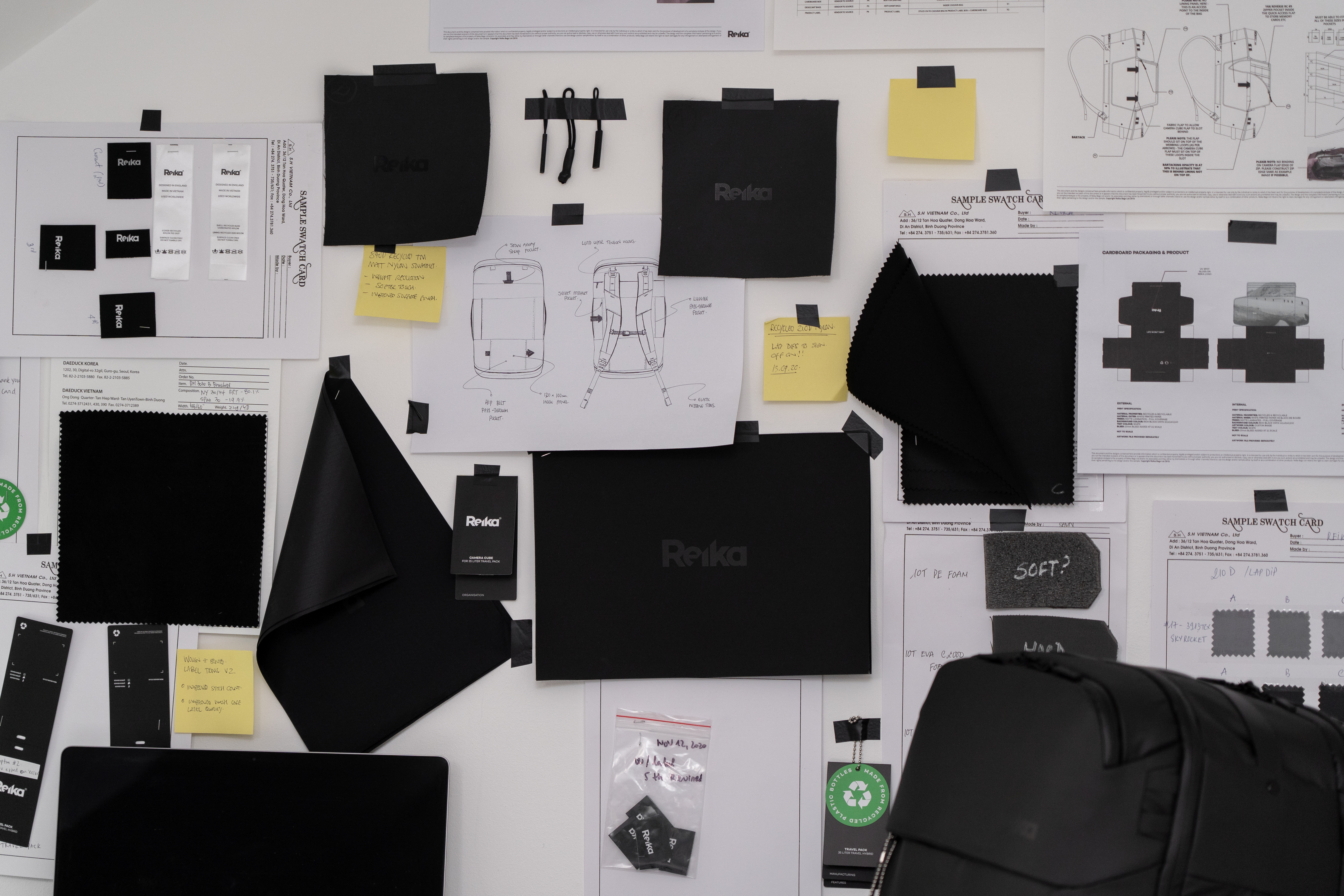
Once a pattern is sent to the factory, piece count is locked. The factory will tell you the labour cost per piece. You can't negotiate that down. The opportunity to reduce cost through construction efficiency is in the design phase.
We've seen designs reduced from 95 pieces to 67 pieces through pattern simplification without losing any functional feature. The simplified design kept all the pockets, the same compartment structure, identical carrying capacity. What changed was how pieces were combined in the pattern. Fewer joins. Fewer positioning steps. The same result with 30 percent less labour time per unit.
That reduction moves from design intent to cutting and sewing. The factory's labour rate stays the same. But the number of hours to produce each bag drops. Multiply that across a 10,000-unit production run and the savings are substantial.
Every pattern piece is a decision to add sewing time and complexity. Design discipline means questioning whether each piece earns its place in the construction.
The conversation with manufacturers should be about piece count and its labour cost impact. If a design is expensive to produce, often the answer isn't "get a cheaper factory." It's "reduce piece count through smarter pattern engineering." A factory with strong pattern-making expertise can help identify opportunities where construction can be simplified without compromising function or appearance. That's where cost reduction happens without sacrificing quality.