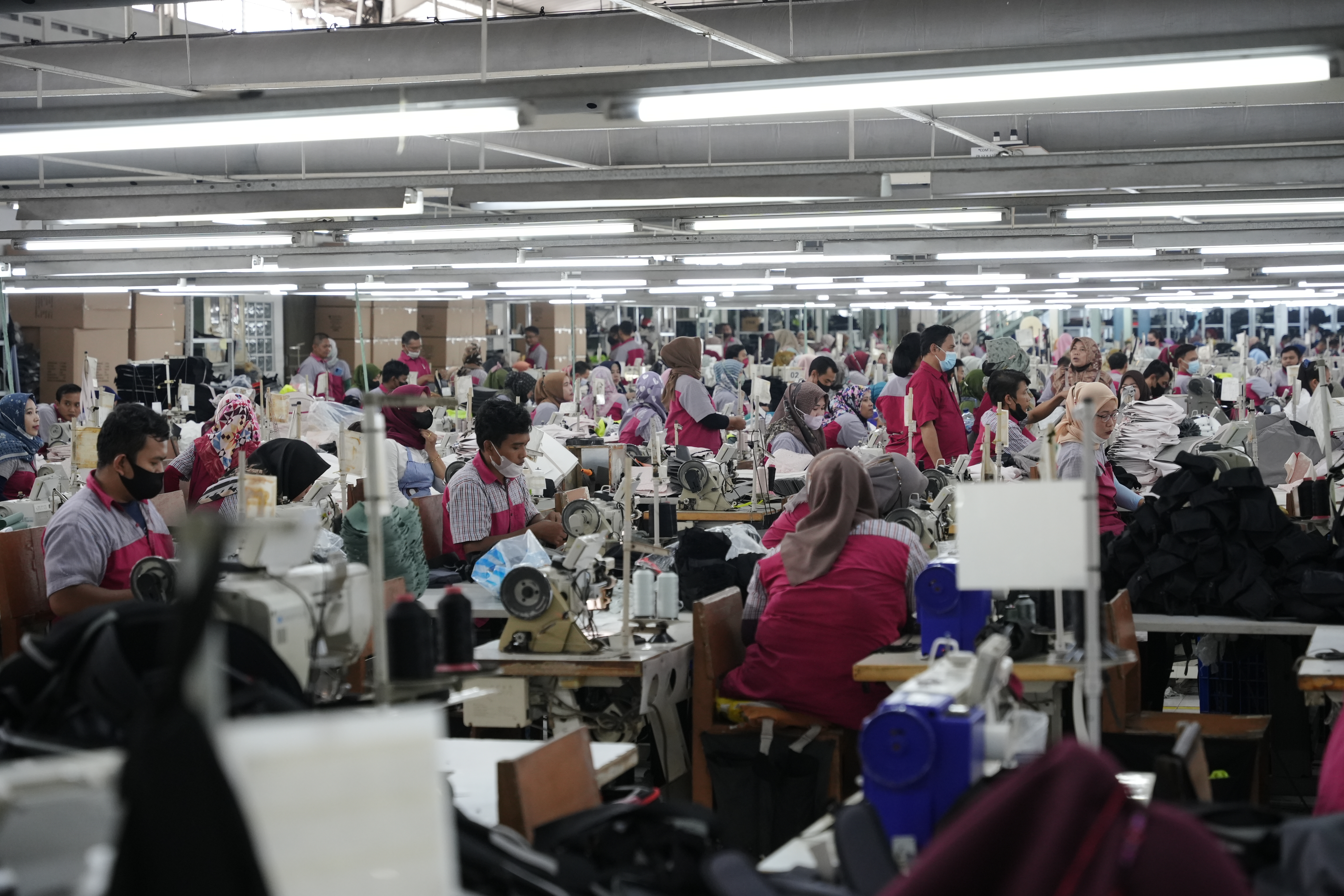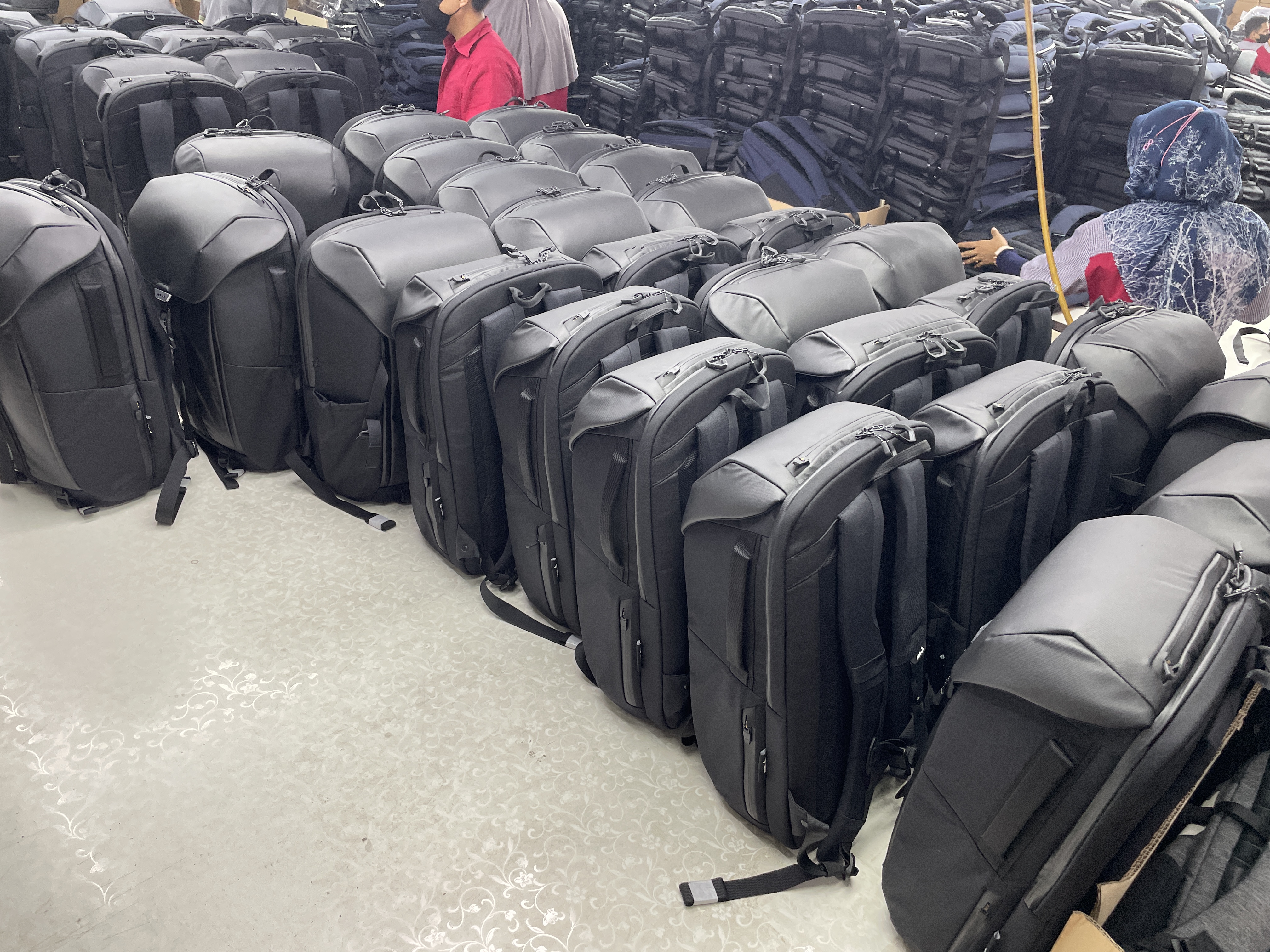
Quality control inspection is the safety net at the end of production. It catches problems. It also misses problems. Most QC inspection is checklist-based - does the seam sit straight, is the stitch count correct, are all labels attached, is the colour correct. These are knowable, measurable things. So QC catches them or it doesn't.
What QC almost never catches are the failures that reach market and surprise everyone. Those failures fell outside the checklist. Or they happened on one in a hundred units and QC inspected fifty units. Or they're problems that only show up in use - a stitching failure that emerges after three months of backpack wear, a zipper that sticks after temperature cycling, a seam that separates after the first wash.
The assumption most brands make is that QC inspection prevents failures. It prevents known failures. It's much less effective against unknown failure modes. And most failures that reach market are somewhat unexpected - if the factory and brand both expected them, they'd have been designed out.
What the checklist catches
A standard QC checklist for a bag might include: stitch count correct, seams sit straight and consistent, all hardware attached and functional, zippers slide smoothly, straps are stitched with correct number of stitches, labels are centred and secure, colour matches approved swatch, no visible defects or loose threads, weight is within tolerance, no stains or marks.
These items catch a meaningful percentage of defects. If quality control is doing their job properly, probably 95% of truly defective bags get caught. The remaining 5% that slip through are the ones that failed for reasons that didn't appear in the checklist, or failed in ways that weren't visible during inspection, or passed inspection and failed in the customer's hands.
We've audited QC processes across dozens of factories. The ones with the best reliability don't have longer checklists. They have processes that surface why things fail and push feedback back upstream. If three bags fail the zipper test, do they stop and inspect all zippers from that batch? Do they call the material supplier? Or do they just mark three bags as defects and move on?
The factories that prevent failures rather than just catch them have created loops where QC data becomes input for design or process changes. That requires discipline and it requires factories to invest in analysis rather than just inspection speed.
QC catches visible defects at the moment of inspection. It doesn't catch failures that emerge after 10,000 cycles of zipper use, or after three wash cycles, or after six months of backpack weight. Those failures reach market because they weren't in the failure mode the QC checklist anticipated.
The hidden failures
The failures that reach market and surprise everyone are usually failures that required unusual use conditions or timing to trigger. A zipper that fails only after being repeatedly opened and closed in a specific temperature range. A seam that separates only under the weight of specific materials. A material combination that doesn't behave the way static testing suggested.
These failures reach market because QC inspection can't anticipate them. The prevention happens earlier - in design, in prototype testing, in material validation, in process trials. Once you're in production and QC is inspecting finished goods, you're late. The damage control is already in motion.
We've worked backward from field failures that reached customers and found that the failures were findable - but only if you looked for them. A stitch pattern that doesn't hold under the specific load pattern of how people actually carry that bag. A material combination that needs a different sewing needle than the standard one. A seam that needs reinforcement at specific stress points but the factory was using the standard specification.
These are all solvable in sample stage. They're invisible in production stage. QC at that point is just trying to catch the ones that went visibly wrong.
The best quality control isn't rigorous inspection at the end. It's ruthless testing in the middle and design decisions that prevent failure modes before production starts.
QC inspection matters. It catches real defects and prevents known failure modes from reaching customers. But it's not a substitute for design rigour, material validation, and process trials. Those happen before QC. The failures that reach market slipped through somewhere earlier, and QC inspection didn't catch them because no one anticipated looking for them.
Improve reliability by fixing problems before production, not by making QC more aggressive. QC catches known problems. Better design and testing prevent unknown ones from happening at all.