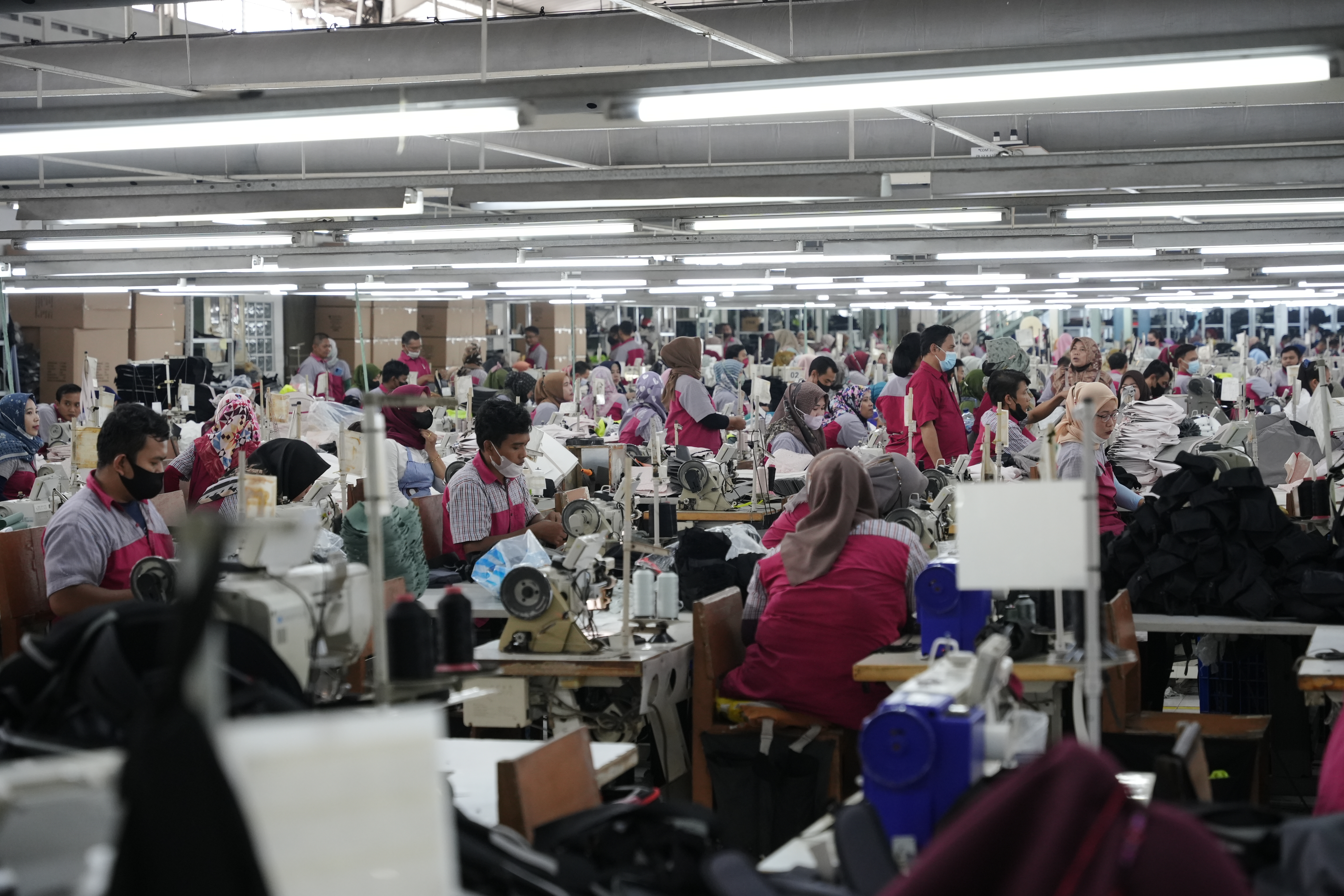
BSCI, SA8000, SEDEX, ISO 9001, ISO 14001. These certifications show a factory met a standard on a specific date. Third parties audit them. They're meaningful. They're also not what most brands think they are.
A factory with BSCI certification passed a social compliance audit. They were compliant when the auditor was there. That's useful. But it doesn't tell you how hard they pushed workers to pass audit day, or whether they've relaxed after the auditor left. It doesn't tell you about payment practices when orders are slow. It doesn't tell you if the factory is genuinely compliant or just knows what auditors look for.
Certifications prove a standard was met on a specific day and systems existed on audit day. They're a floor, not a ceiling. Better than nothing. Not a substitute for understanding how the factory actually runs.
What certifications do and don't show
ISO 9001 certification shows a factory has documented quality systems and follows them. That's real information. It means process discipline. It doesn't mean the quality is better than a non-certified factory. It means they've formalised their process. Some with ISO are excellent. Some have certification that's mostly ceremony.
BSCI and SA8000 show a factory passes social compliance audits. Both cover working hours, labour practices, health and safety, management systems. Audits typically happen once a year, sometimes every two years. The audit covers what the auditor can see and verify in a few days on site. It doesn't cover everything the factory does or every worker they employ.
SEDEX (Supplier Ethical Data Exchange) is similar. It's a database of audit information brands can access. Multiple brands share audit results instead of each auditing separately. This is efficient. But one year's audit result gets used to make decisions for two or three years. Factories can change significantly in that time.
Environmental certifications show a factory has systems for waste management, chemical handling, energy use. ISO 14001 is the standard. It shows systems exist. It doesn't show they operate more sustainably than non-certified competitors. It shows they've documented their environmental management.
Certifications are a starting point. They prove basic competency on an audit day. But the best factories aren't always the most certified. They're usually the ones where management genuinely cares and would meet standards without anyone auditing.
Reading between the audit lines
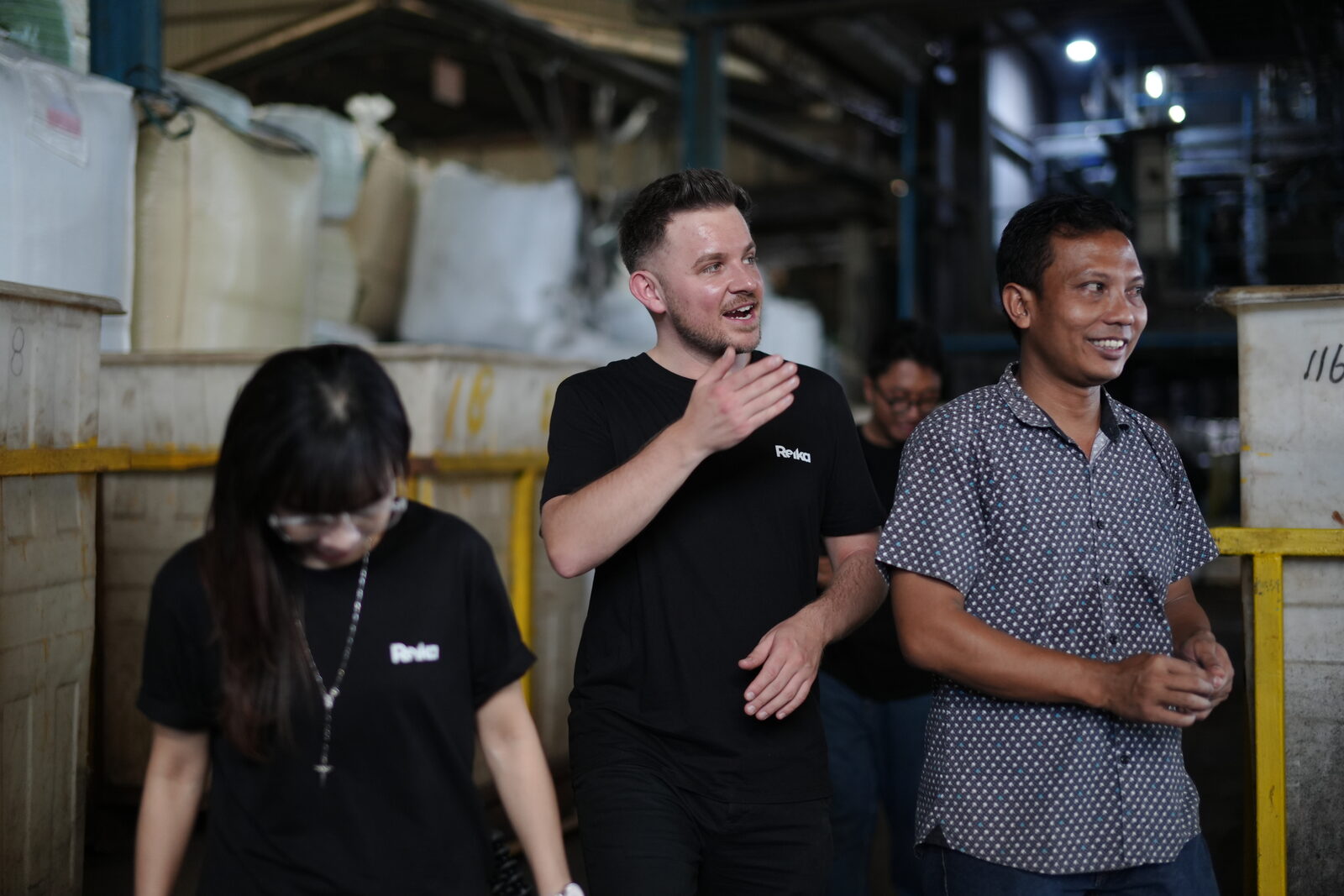
When we evaluate factories, we look at certifications but don't stop there. We ask what changed after the last audit. We talk to workers away from official tours. We ask about busy season practices. What happens to overtime when orders are tight? How are workers compensated? Do workers bear penalties for quality issues?
We've worked with certified factories that operated one way during audit season and differently during crunch time. We've worked with uncertified factories that genuinely operated at higher standards year-round because management believed in it. Certification helps narrow the field. It's not the final answer.
The certification that matters most is the one the factory cares about losing. If they're BSCI certified and treat that like a valuable part of business, if losing it would hurt them, they'll maintain standards consistently. If they're certified but wouldn't care about losing it, the certification is less meaningful.
Certifications prove competency was demonstrated on audit day. They don't prove competency is maintained or that it genuinely matters to management.
We ask factories why they sought specific certifications. The answer tells you something. If they got BSCI because a customer required it, that's different from wanting those standards. Both get certified. The commitment durability differs.
Use certifications as a qualifying filter. They show basic standards have been met. Real risk assessment happens through conversations, observations, and questions about how the factory operates when nobody is auditing.