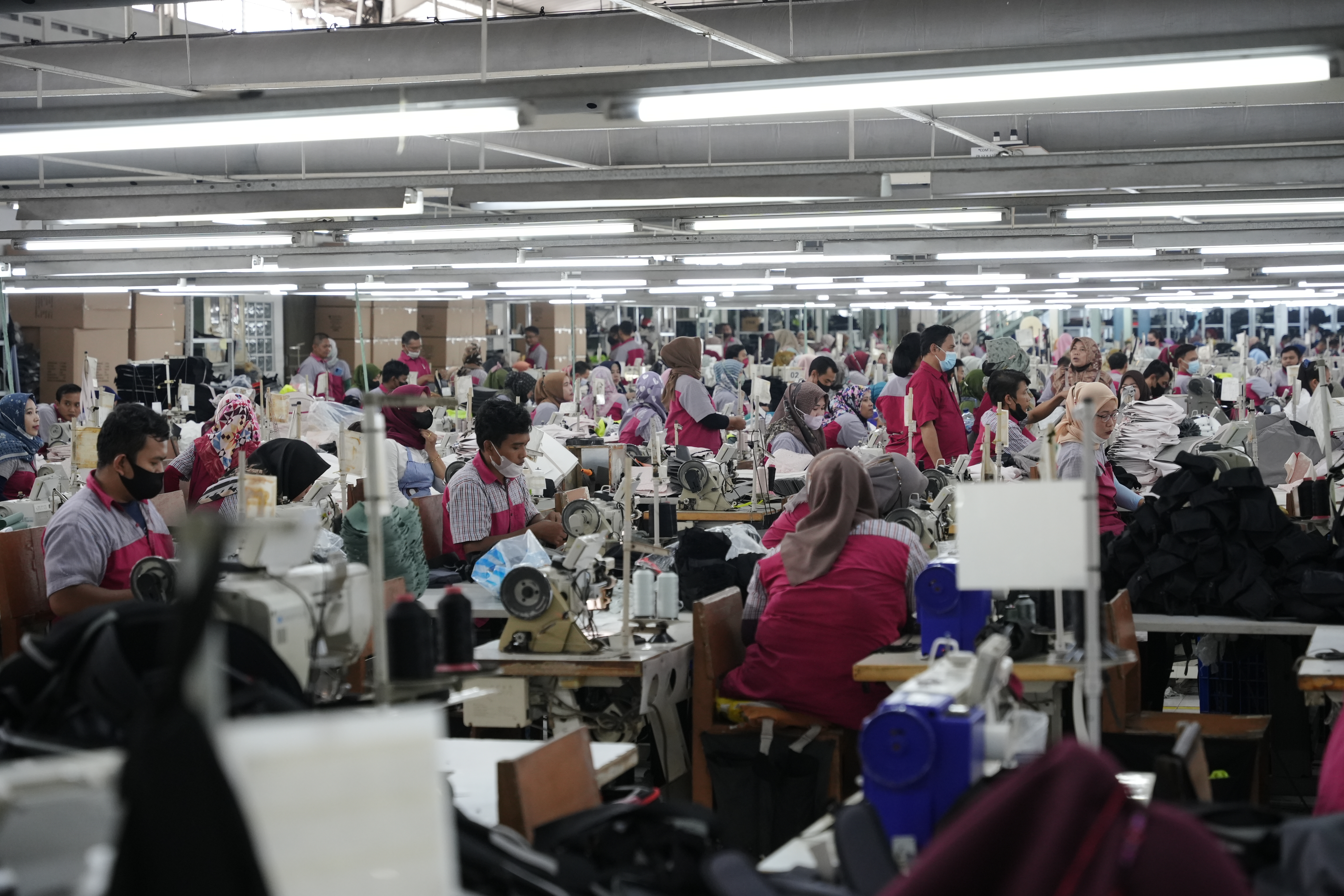
Almost every brand has a supplier code of conduct. Most don't enforce it. This isn't new. The gap between policy and enforcement is an old problem. It's worse with manufacturing codes because enforcement happens thousands of miles away, in factories where the brand doesn't have operational control.
A code of conduct typically covers working hours, wages, labour rights, health and safety, environmental practices. It sets standards the brand wants from suppliers. Then both sign an agreement. Then the factory usually doesn't change anything because there's no enforcement mechanism and nobody checks.
The code isn't useless. It establishes what the brand expects. It creates a contractual basis for addressing issues. But it only creates change if the brand has touchpoints to know if it's being followed and is willing to act based on what they find.
Why enforcement fails
Enforcement fails for straightforward reasons. First, most brands don't have someone checking whether the code is being followed. Certifications and audits help but aren't constant. If a code says maximum 60-hour weeks and the factory hits 65 hours in busy season and nobody from the brand is there, it's not being enforced.
Second, enforcement requires being willing to act on what you find. If you discover the factory is regularly exceeding hours in your code, will you change factories? Are you willing to lose that supplier? Most brands aren't, especially if production is underway or the factory has unique capabilities. So the signal is that the code isn't that serious.
Third, factories know this. If they've worked with multiple brands with similar codes and none ever took action, they reasonably conclude the code is aspirational rather than binding. They'll be compliant during audits and slack off otherwise.
Fourth, enforcing codes on one factory but not another creates competitive disadvantage. If one factory meets a higher standard and it costs more, they're at a pricing disadvantage. Brands feel this pressure. Prices go up if you require genuine compliance. So even brands that mean it sometimes quietly relax enforcement to keep costs down.
Regular, unannounced checks. Willingness to pay more for compliance. Willingness to change factories if standards aren't met. Consistency across your supplier base. Most brands do one or two. Genuine enforcement requires all of them.
Closing the gap
Closing the gap between having a code and enforcing it is straightforward. It doesn't require massive infrastructure. It requires specific touchpoints. First, regular factory visits looking specifically at code compliance, not just product quality. Second, specific questions about hours, wages, conditions. Third, willingness to make sourcing decisions based on what you find. Fourth, communication with the factory about what you're checking and why.
When factories know a brand is checking, when someone shows up and asks about hours worked and follows up, they take the code seriously. When they know the brand will change suppliers if standards aren't met, they maintain compliance because it's better than losing business.
We work with brands where the code actually means something because they've created mechanisms to check. They visit factories regularly. They ask specific questions. They compare what they hear to what they see. They're willing to move orders if there's a gap. Not punitively. Often the factory knows about the gap and is trying to fix it. But the possibility exists, which creates motivation to be compliant consistently, not just during audits.
The most serious brands budget for enforcement costs: travel, time, people checking. They accept that compliant factories might cost more. That's the tradeoff. You can have a code that mostly gets ignored, or a code that actually means something and costs more to enforce.
A code is either a binding commitment you'll enforce or a statement of values that won't change much. Most brands haven't decided which one they want.
We've worked with factories on both sides. Factories that want to be compliant and manage toward brands that actually check. Factories that are compliant enough to pass audits and not much more. The difference is whether the brand created real enforcement touchpoints.
If you have a code of conduct, decide whether you'll enforce it. If you are, build it into your supplier management. If you're not, be honest about it. The middle ground (having the code but not checking) signals that you don't quite mean what you're saying.