The question surfaces in nearly every design review. Is YKK worth four times the price of SBS? The answer is conditional. It depends entirely on what the zip is doing and what happens if it fails. Understanding the context changes the spec decision from brand preference into engineering choice.
The case for YKK on load-bearing closures
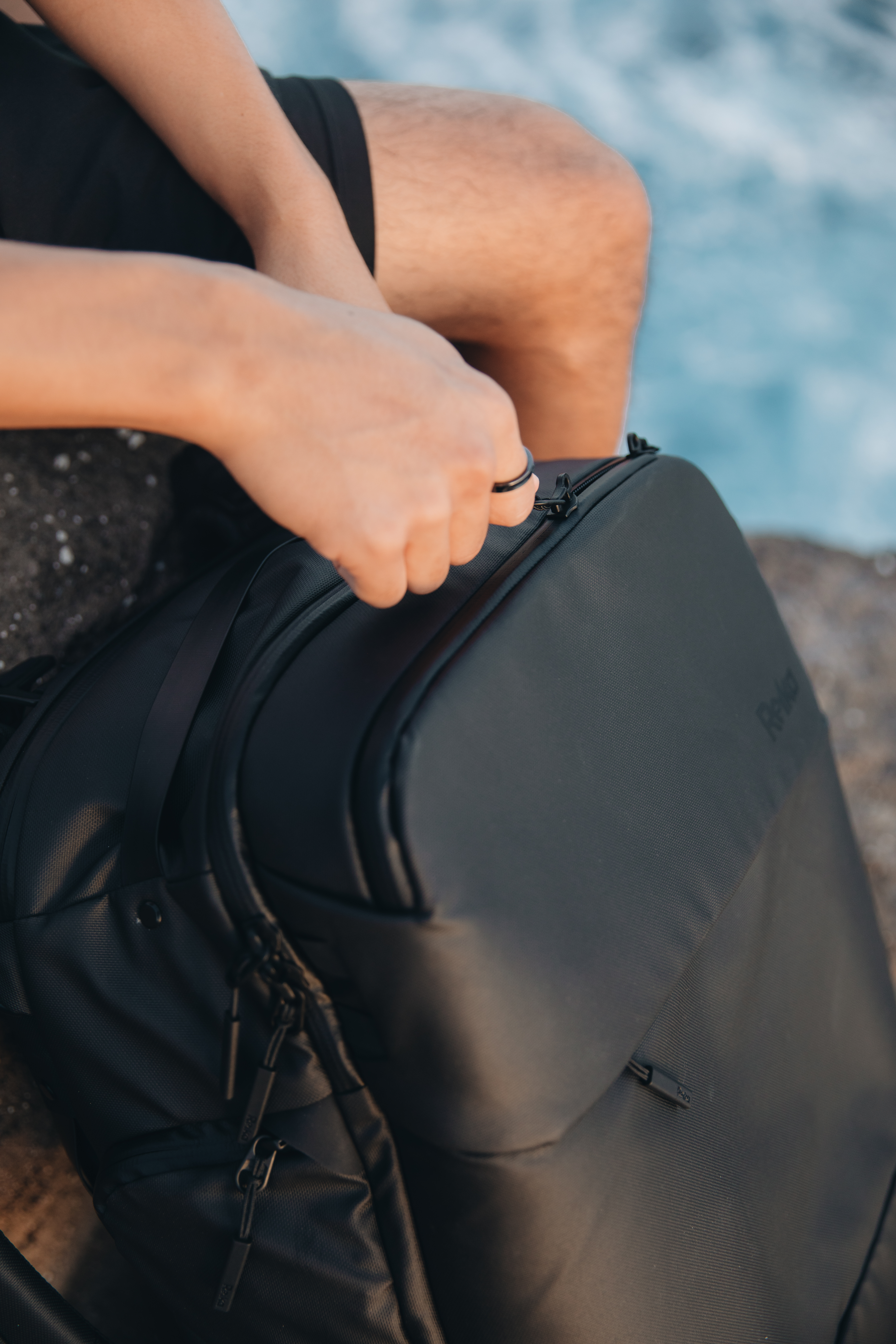
A main access zip on a technical backpack takes repeated load cycling. Compression from a full pack, expansion when emptied. Hot days when nylon expands, cold when it contracts. The slider rides under tension. Over two years of ownership, a heavy-use pack might cycle that zip 500-1000 times with compressive load included.
YKK's advantage is consistency and predictability. Every slider from a production batch behaves the same way. The coil construction distributes load across multiple contact points, reducing wear per point. YKK publishes durability testing data. The company offers warranty on closure failure under normal use. In a professional or outdoor context, that warranty provides actual risk mitigation for the brand.
An SBS zip on the same application might fail by year two. It might succeed and last five years. The variance is higher. The failure mode, when it comes, is often sudden. The consumer doesn't have the same recourse. For a brand managing reputation and customer satisfaction, the engineering case for YKK is real. The cost difference (maybe 2-3 euros per unit) is insurable against the reputational cost of premature failure.
On technical packs built for performance and sold with performance claims, YKK is the defensible specification. It's not overkill. It's appropriate engineering.
When you're buying brand reassurance
An external pocket on a commuter bag. It opens and closes maybe once per day. The load is light. The zip is not under compression or heavy cycling. The consequence of failure is minor. The pocket stops being convenient. The bag is still functional. The user keeps the bag.
YKK on this application is a brand decision, not an engineering one. An SBS zip would function identically across the product lifespan. The failure rate would be lower than the overall bag disposal rate. The cost difference (0.25-0.40 euros per unit) is real but spread across the production run. Whether to pay it is a brand positioning question. Does the YKK specification contribute to the quality message you're sending?
This is not to say YKK is wrong. Many brands specify YKK across the entire bag and that's a clear, defensible position. It's saying that the engineering requirement for YKK is lower on non-critical closures than on main load-bearing access points.
Mixed specifications make sense
Load-bearing main zip: YKK. The engineering case is sound, the risk is real, the cost is justified by durability and warranty.
Secondary internal zips, non-critical pocket closures: SBS or equivalent. The engineering requirement is lower, the cost saving is real, the risk is minimal.
This approach calibrates specification to actual functional requirements. A bag with three YKK zips and five SBS zips costs less than all-YKK but doesn't sacrifice critical durability. You're paying for engineering where it matters and accepting rational cost trade-offs where it doesn't.
The right specification is determined by what the zip carries, how often it cycles, and what failure would cost you. Let that thinking drive the choice, not the brand.
We've worked with brands that moved from all-YKK specs to mixed specifications and saw zero impact on field performance or customer complaints. The savings were real. The risk reduction was minimal. The brands redirected the cost difference toward other quality drivers that customers noticed: better harness engineering, higher-quality fabrics, improved construction details.
Specification discipline means knowing where engineering demands premium materials and where it doesn't. YKK is excellent. It's also not always necessary. The decision should reflect the actual functional requirements of the design, not the assumed superiority of a premium brand.