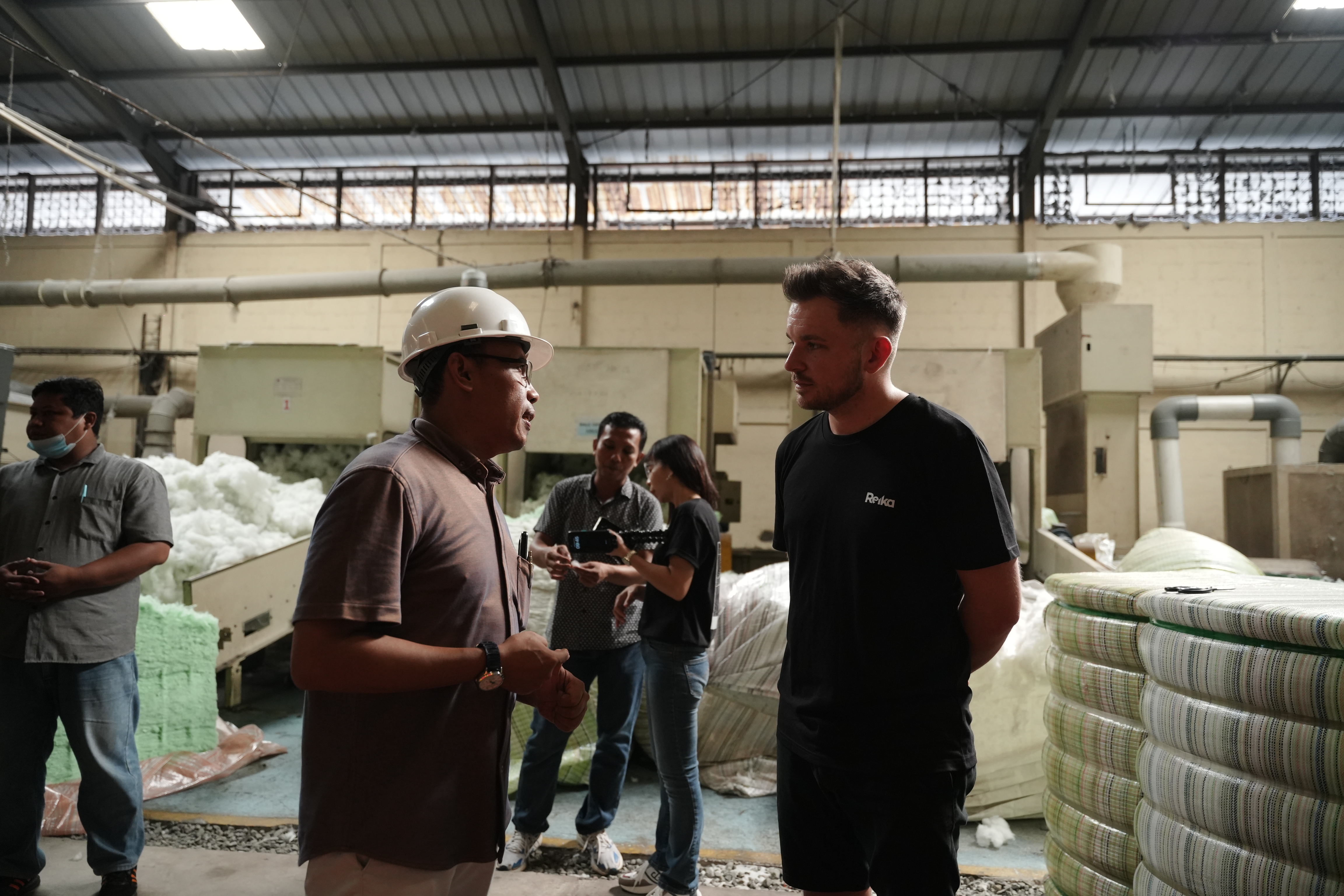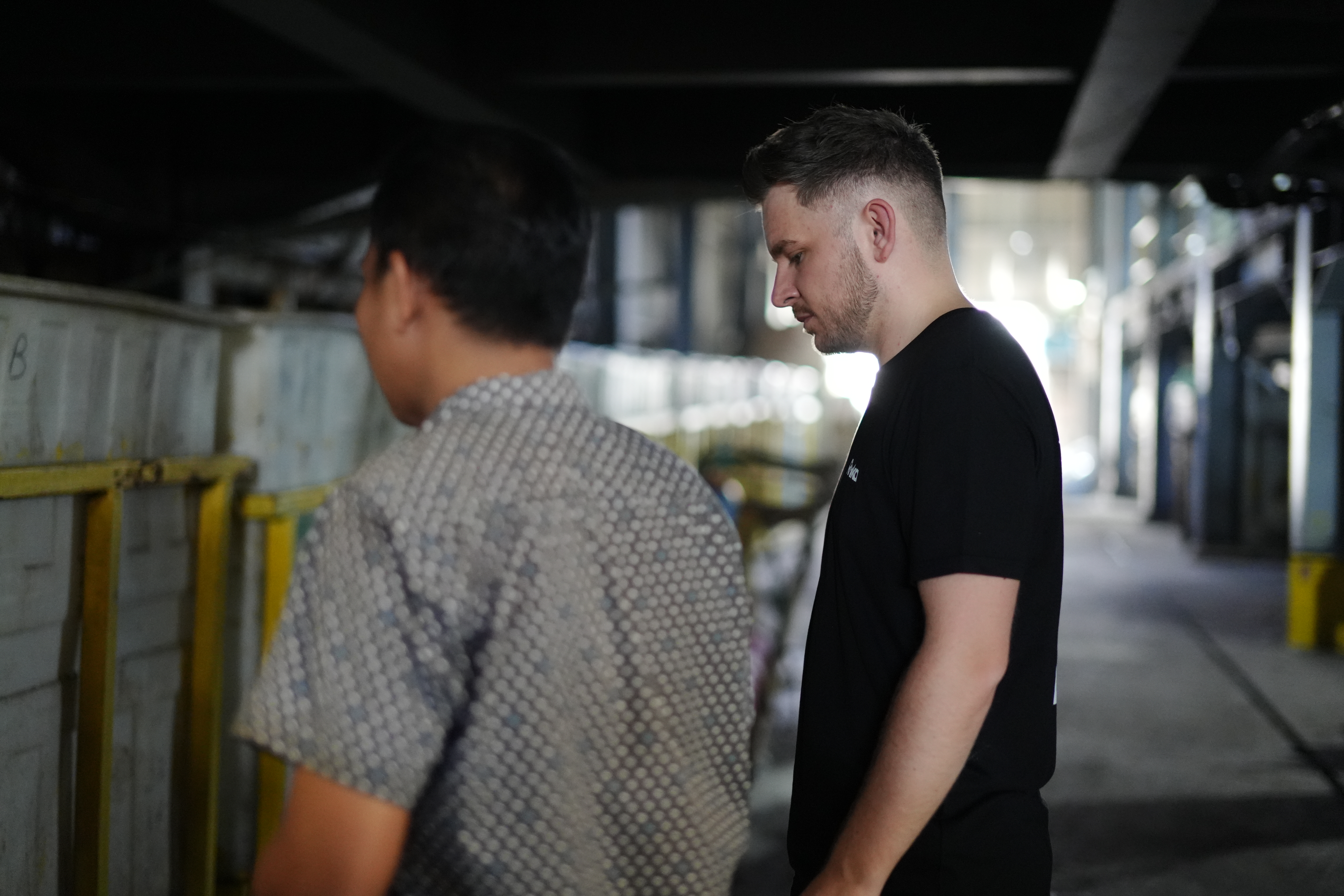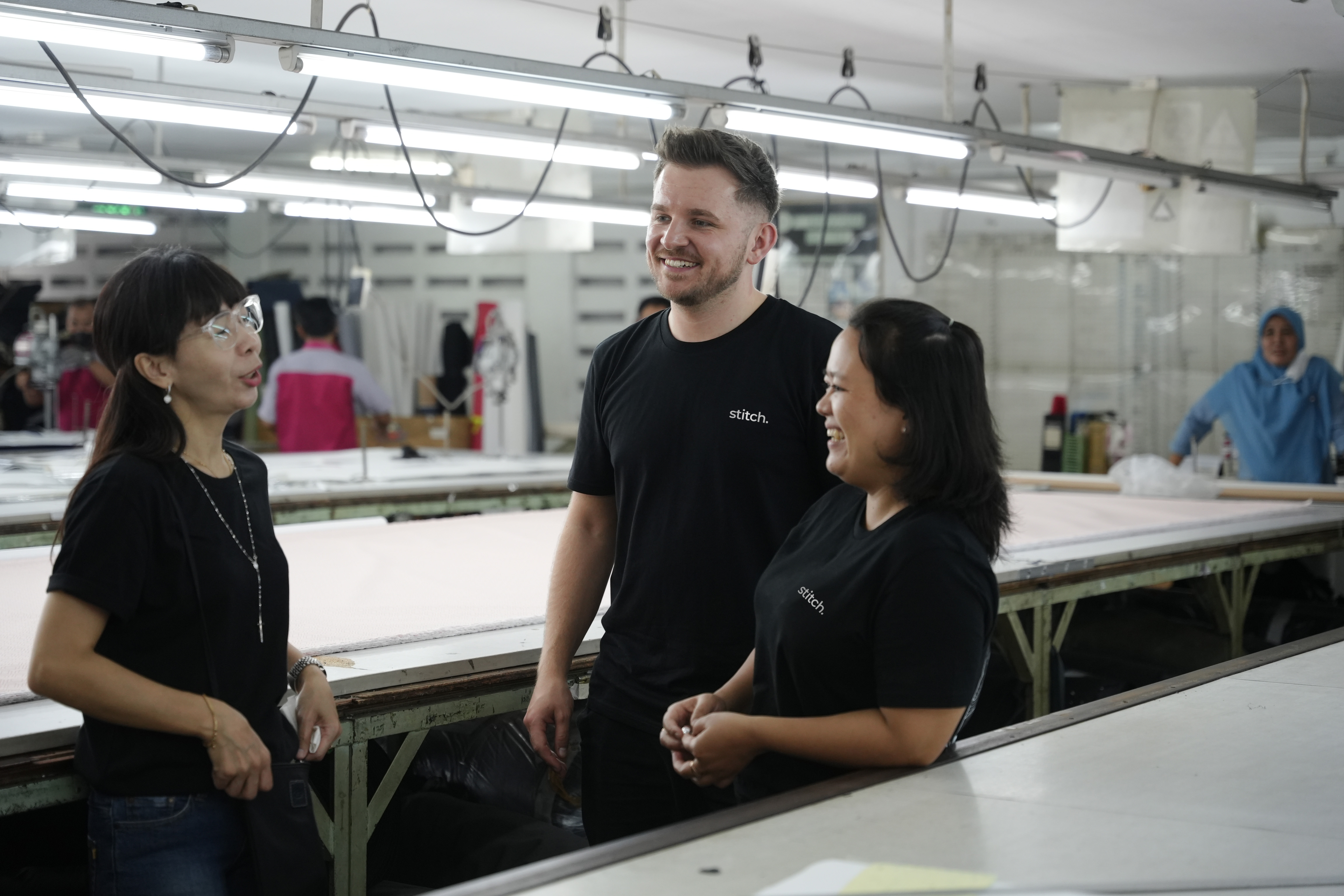
The relationship between a brand and its factory is almost never discussed in manufacturer pitches or brand marketing. You get the finished product, the lead time, the minimum order quantity. What you don't hear about is whether the factory will push back on a deadline that can't be met, or whether they'll silently start cutting corners three weeks in and hope you don't notice.
We've worked with factories across Southeast Asia and China for over a decade. The difference between working with a factory that manages your expectations versus one that tells you what you want to hear is everything. The right factory relationship is uncomfortable sometimes. A factory director should tell you when something won't work. Not after it's in production. Before.
The early warning system
A good factory relationship surfaces problems when you can still change things. When you send specifications that don't match your timeline, they tell you. When they see a stitching requirement that their equipment can't hit consistently, they say so. When they realise your material supplier can't deliver in time, they flag it. This requires a factory that prioritises honesty over keeping the order.
We've had factories that would commit to anything because losing the order was unacceptable. You'd agree to a sample in two weeks when the fabric hadn't arrived yet. You'd commit to delivery dates that assumed nothing would go wrong. These relationships end in expedited shipping, price increases, or products that don't meet spec. Sometimes all three.
The factories we've built real relationships with will turn down orders, push back on dates, and ask difficult questions. They know their equipment, their team capacity, their supply chain constraints. They use that knowledge to give you timelines that can actually be met.
Being the wrong kind of client is expensive. Rushing into production without time for proper setup, sample approval, or contingency means you're paying for expedited shipping, quality failures, and redesigns. The right timeline costs less than the wrong one, even with longer lead times.
Scheduling as a relationship indicator
How a factory schedules you tells you everything about how they work. Do they slot you in whenever there's space, or do they work backward from your deadline? Do they build in buffer for materials, for approval cycles, for unexpected problems? Do they schedule the factory floor around your order, or try to fit you around everyone else?
When we plan a production run, we're not just looking at when the factory is available. We're asking when the material arrives, when samples need approval, when there's time for corrections. We build in real buffer, because every month we've been in a factory has taught us that something always goes wrong. Not catastrophically usually. But something.
We've learned to ask specific questions that most brands don't. What happens if the fabric fails QC? When does the next batch arrive? If the buttons you ordered aren't in stock, how long until they're available? What's your contingency? A factory that has answers to these questions is a factory that's thought through how to stay on time. A factory that hasn't thought about these questions is one you'll be negotiating with at three in the morning in week four of production.
The factories that surface problems early are the ones that end up making your best products and your most profitable orders.
The right factory relationship means your first experience with them might be a conversation about why something won't work. That's the conversation you want. It means they're thinking like they own the outcome, not like they're just processing an order.
Build your factory relationships on honesty. Find factories that will tell you what you need to hear, not what you want to hear. The initial friction of working with a factory that pushes back pays for itself in every order after the first one.