A brand calls and says they need a bag in 6 months. We tell them that's not enough time. They tell us other factories quoted 4 months. We ask what stage of development they're at. Usually the answer is: "We have a sketch and some material swatches." That's the moment when they realise the 4-month quote from another factory is quoting something completely different than what they actually need.
The average bag development timeline from brief to goods in warehouse is 9 to 14 months. Most brands structure their timelines around fantasy, not around the actual stages where time gets consumed. Here's where it actually goes.
Design and specification: 1.5 to 2 months
This is the shortest stage and it rarely gets compressed. You need to move from concept to technical drawings, material specifications, hardware selections, and color approvals. If your team is distributed or your stakeholders move slowly, this stretches to 2.5 months. If you're fast and aligned, you can do it in 1.5 months. But you can't do it in 6 weeks if you're being thorough.
This stage is where the majority of product quality decisions actually get made. Rushing it means you're paying for revisions later, when changes are 10 times more expensive.
First sampling: 2.5 to 4 months
The factory gets your specs and makes a prototype. This is where almost everything goes wrong for the first time, and where you discover what you didn't specify clearly. Sample lead time is usually 4 weeks for straightforward products, 6 weeks for anything with technical elements. But there's transit time: 2 weeks each direction for ocean freight, 3-5 days by air if you're paying for it.
Then you spend 2-3 weeks reviewing, testing, and identifying what needs to change. Most brands underestimate this phase. A decent bag sample needs to be tested: seam strength, zipper durability, strap attachment, water resistance if that's relevant. A cursory 3-day review usually means you're going back for more revisions later.
Design spec: 1.5-2 months. First sample: 4-6 weeks in factory + 4 weeks transit + testing. Revisions: 4-8 weeks per round. Approvals: 2-4 weeks. Pre-production setup: 2-3 months. The last two are where most delays happen.
Revision cycles: 1.5 to 3 months
Almost nobody gets it right the first time. You're usually running 1 to 3 revision rounds, depending on how specific your initial brief was. Each round is: factory makes changes, sample comes back, you test it, you report back, factory receives feedback and schedules new sample. That's 4 to 6 weeks per round if everything moves quickly.
This is where the time-distance problem becomes acute. If you're sending samples by ocean freight, each round is an 8-week cycle minimum. If you're using air freight to compress timelines, you're adding 5-8% to your product cost. Most brands don't budget for air freight until they're panicking about timelines.
Stakeholder sign-off and approvals: 2 to 4 weeks
Once the sample is right, it usually needs to clear: your founder, your head of design, possibly your manufacturing partner, possibly your retail buyer if you have pre-committed retail. This shouldn't take long, but it usually does because stakeholders are distributed, travel, forget about approvals in their inbox, or want to request small changes that trigger another revision cycle.
The brands that move fastest loop their stakeholders in during revision cycles rather than waiting until the sample is "done" to present it. That collapses this phase to a week rather than four.
Pre-production setup: 2 to 3 months
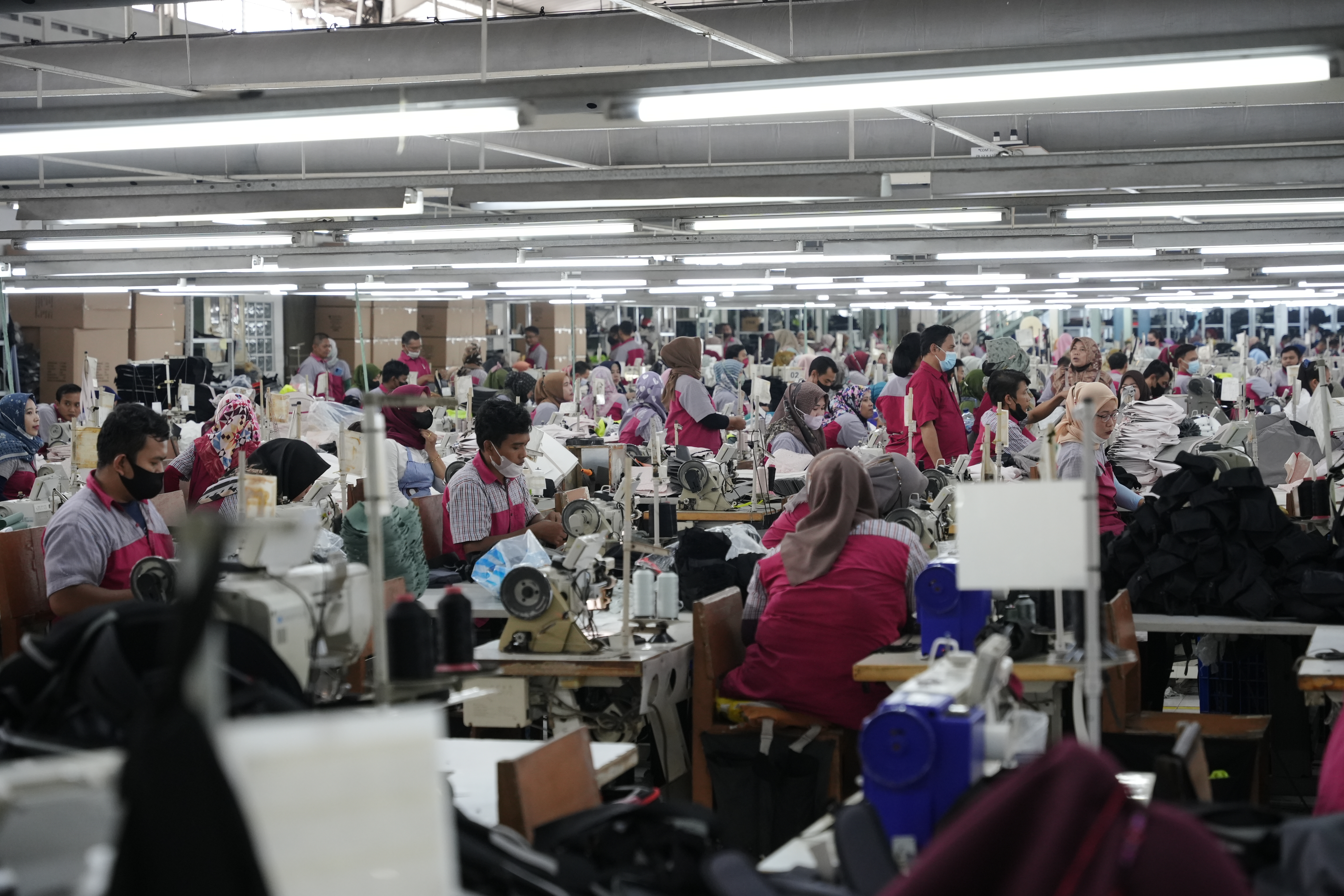
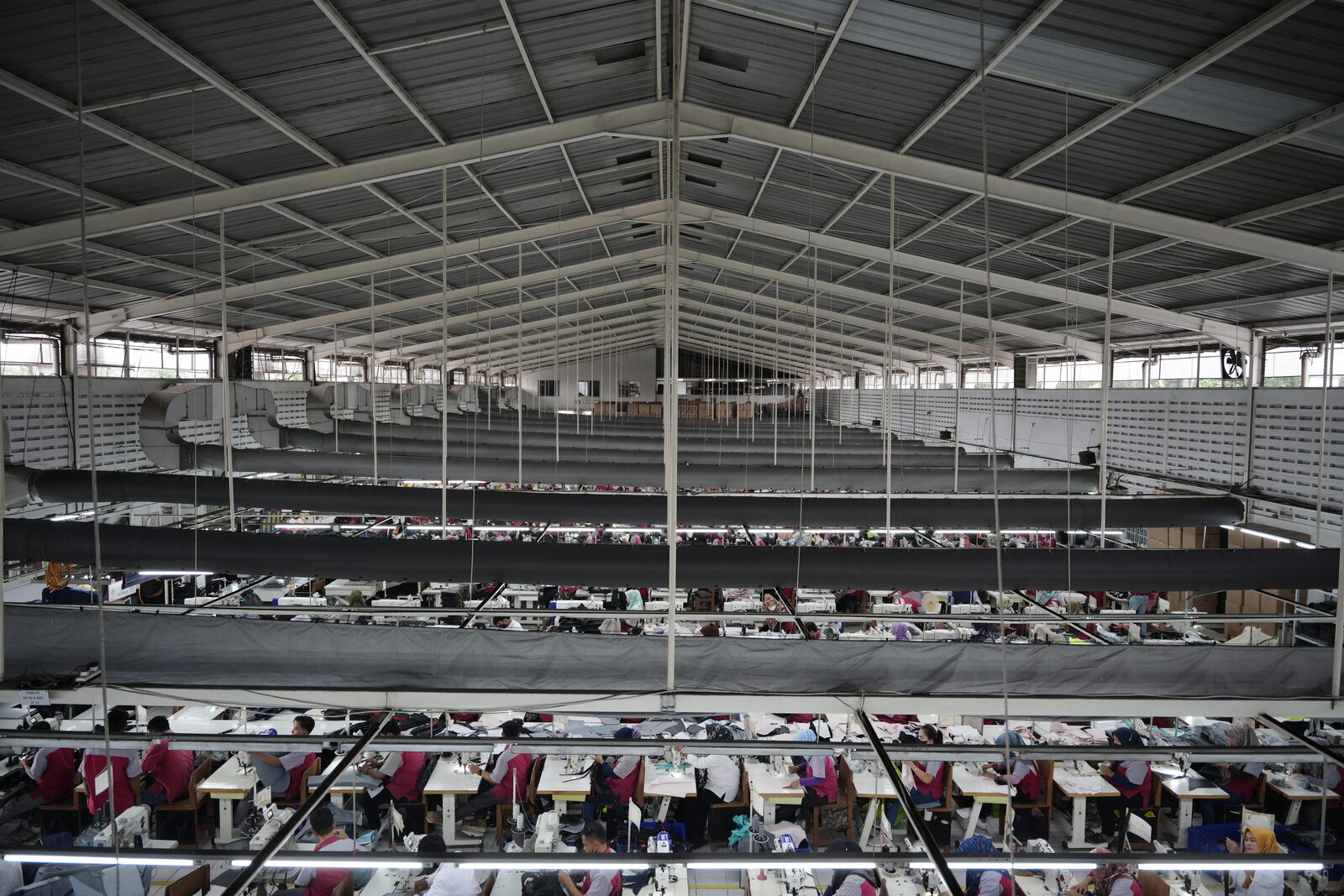
Once you've approved the sample, the factory has to set up production. This includes: sourcing all the components at scale, running production samples to confirm everything works at speed, and scheduling the actual manufacturing run. For a mid-size order, this is typically 6-8 weeks. For larger orders with custom components, it's 10-12 weeks.
This is the stage where most first-time brands get surprised. They think they're almost done. The factory just approved the sample. But the factory is now running their own version of what you just saw, because your sample was made by hand in the pattern shop. The production version needs to confirm that the seams hold at volume, that the adhesives behave the same way, that component tolerances still work.
Production and shipping: 2 to 4 weeks plus transit
The actual manufacturing of your order is usually 2-3 weeks. Shipping to your warehouse is 3-4 weeks if you're doing ocean freight, 1 week if you're air freighting. But you need to add 1-2 weeks for receiving, inspection, and getting goods into your system.
- Design and spec: aim for 1.5-2 months, not 6 weeks
- First sample: budget 6-8 weeks including transit and testing, not 4 weeks
- Revisions: expect 1-2 rounds, plan for 2-3 month buffer
- Approvals: involve stakeholders early, not after sample is done
- Pre-production: this takes 8-10 weeks most of the time. Don't underestimate it.
The 4-month quotes you see from factories are usually quoting time from approved sample to delivery. That's one-third of your actual timeline. If someone's telling you 4 months end-to-end, ask what stage they're counting from. The ones who understand development timelines will give you the breakdown. The ones who don't will give you a number that sounds good until you're 6 weeks from launch with no samples yet.