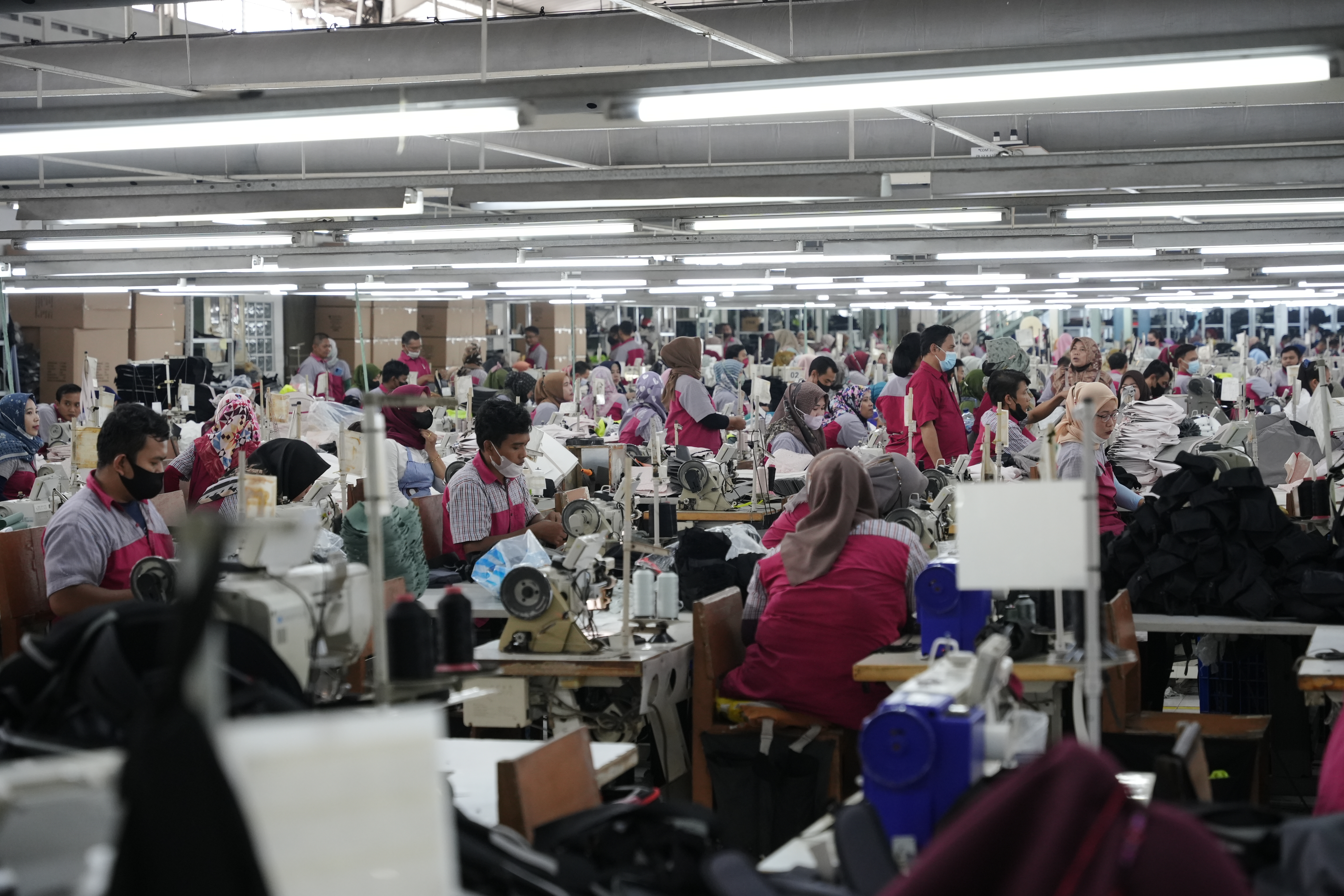
In January 2023, the UK removed preferential duty rates for Indonesian products. That single policy change made manufacturing in Indonesia 12% more expensive overnight, without a single factory changing anything. Vietnam kept its GSP status and became 12% cheaper on identical products. Most brands didn't notice. Some did, and their margins widened.
GSP stands for Generalised System of Preferences. It's a trade agreement that lets developing countries export goods to developed markets at reduced or zero duty rates. The UK removed GSP for Indonesia in 2023 to pressure labour practices. Vietnam kept it, so Vietnam-made goods enter the UK at lower duty rates than Indonesian goods.
For a bag with a CIF value of £30, the maths is simple. UK import duties without GSP: 12% duty (£3.60 per unit). Vietnam with GSP: 0% duty. That's a £3.60 per unit difference on a bag wholesaling for £25-30. A margin difference of 12-15% on your wholesale margin, before any other sourcing variables.
Why this matters more than cost per unit
Most brands move manufacturing to whichever country quotes the lowest per-unit price. They miss that per-unit price is only one part of landed cost. Duty is the other part, and it's territory-specific.
If you're selling primarily into the UK, Vietnam versus Indonesia manufacturing is a meaningful cost difference over volume. A 500-unit order shows a £1,800 duty difference. A 5,000-unit order shows an £18,000 difference. That compounds across product lines and years.
Indonesian factories aren't worse than Vietnamese factories. Many are the same quality, sometimes better. But policy changed the commercial equation. Brands that noticed and adjusted sourcing strategy immediately gained 12% relative margin on inventory already in the pipeline.
Vietnam maintained GSP access. Indonesia lost it. That's not a manufacturing quality difference. That's policy arbitrage. If you're sourcing, account for duty rates as a sourcing variable, not just unit cost.
Where this applies beyond Indonesia and Vietnam
GSP access varies by country and by destination market. UK GSP access differs from EU GSP, which differs from US GSP. Bangladesh has US GSP but not UK. Cambodia has EU access. These aren't edge cases. They directly affect your product's cost structure depending on which market you're selling into.
If you're manufacturing in one geography and selling into multiple markets, your duty rate changes by destination. That's worth modelling. If you're choosing which factories to use in which countries, duty is part of that decision framework, not an afterthought on the invoice.
The brands we work with model this explicitly. When evaluating a new factory or market, we map out unit cost, MOQ, lead time, and import duty for primary sales geography. That last variable has shifted sourcing decisions as much as the first three combined.
The policy keeps changing
GSP isn't static. Countries negotiate, lose access, regain access. The UK's removal of GSP for Indonesia was recent and deliberate. There are ongoing discussions about access for other countries. If you're locked into one sourcing geography because of cost assumptions, you're vulnerable to policy shifts you can't control.
The hedge against that is portfolio diversity. Don't concentrate all manufacturing in one factory in one country, especially if margins depend on a specific tariff regime. If Vietnam stays 12% cheaper because of GSP and that drives sourcing, understand that policy can change and have a contingency.
- Check current GSP status for the countries where you source and for each destination market
- Model import duty into your all-in cost calculation, not after the fact
- Understand that unit cost and landed cost are different. Duty is usually the second-largest variable after shipping
- Maintain sourcing options across geographies to hedge policy risk
The £3.60 duty difference on a single bag sounds small. Multiply it across your actual order volumes and it becomes a six-figure swing in annual cost structure. That's not a manufacturing decision. It's a commercial decision hinging on policy context as much as factory capability.