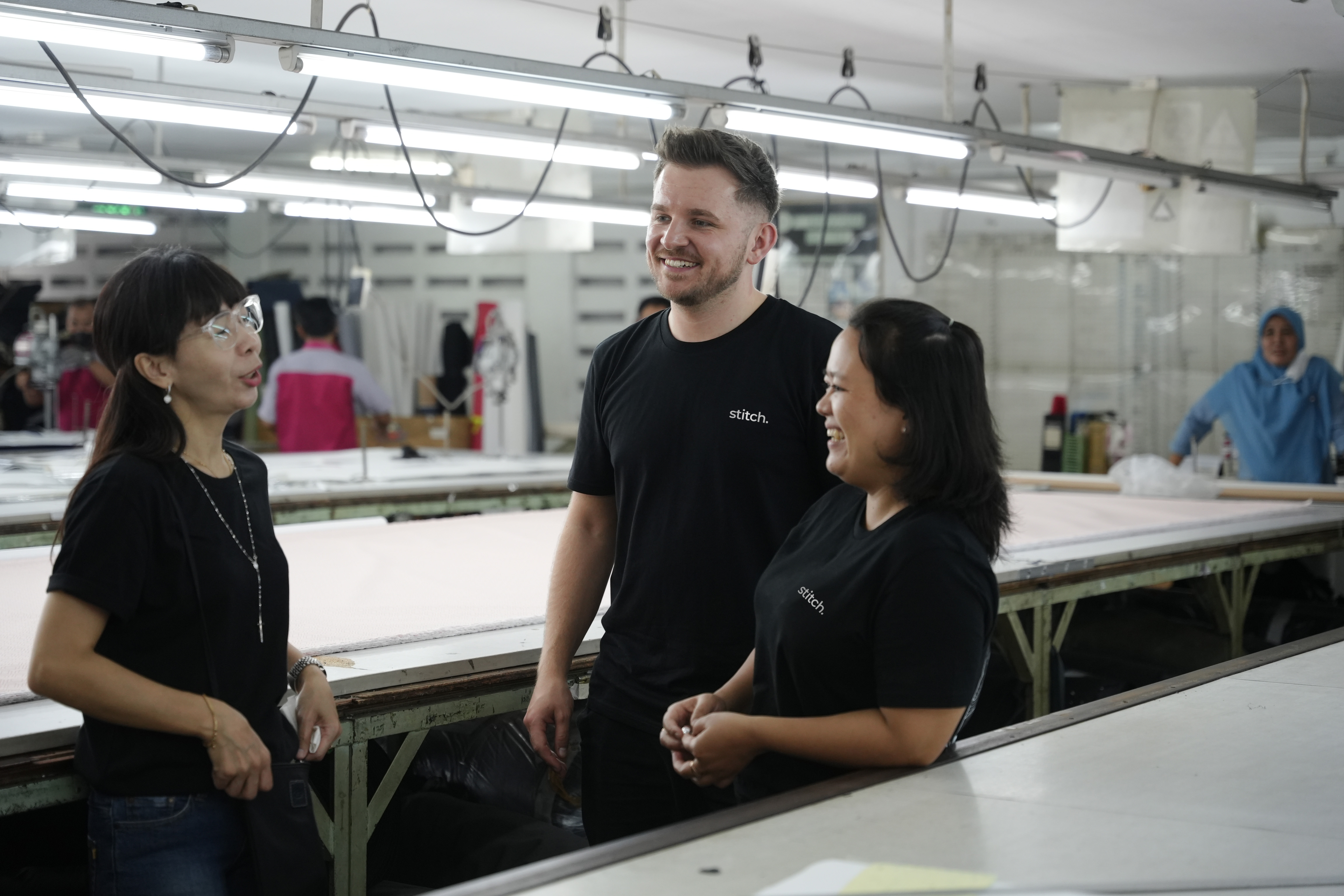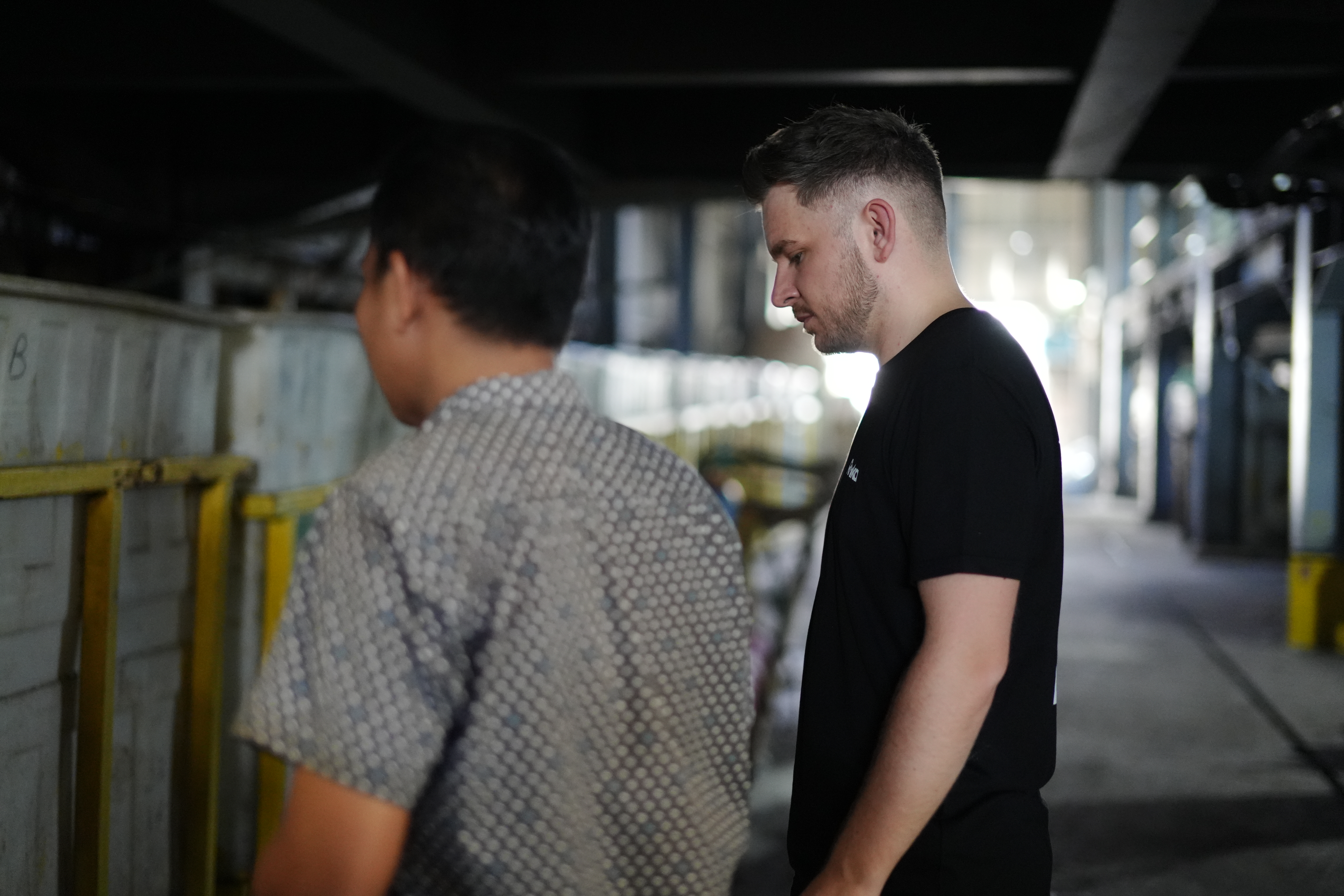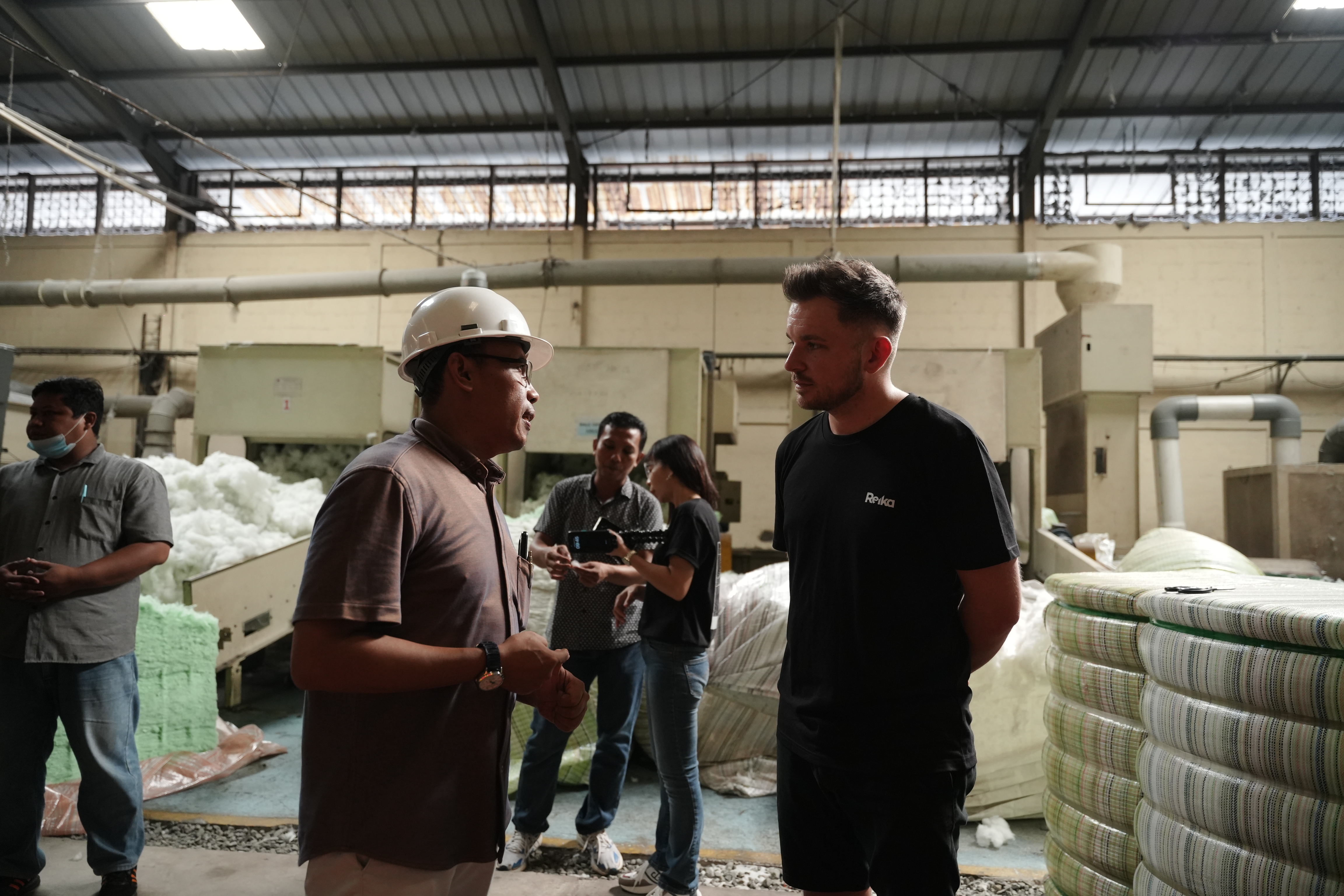
A factory director can probably name every brand that visited in person in the last three years. Not approximately name them. Actually name them and describe them and talk about the specific conversations. Because people visiting the factory in person isn't common. Email is common. Phone calls are common. Walking through the factory floor and talking face-to-face is memorable enough that a factory director remembers who did it.
A factory gets 200 emails a week. Maybe more. Inquiries, order updates, specifications, problems, invoices, logistics coordination. The factory director probably sees maybe 20 of those emails. Most get processed by administration or production teams. But the ones that matter - the ones that get priority, that get the senior people thinking - are the ones that come from someone they've met.
This isn't nepotism. It's how human attention actually works. When you're an email address, you're in a queue. When you're a person the factory director remembers meeting, you're a relationship. The relationship gets priority. The priority gets better solutions to problems. The better solutions mean better outcomes for your orders.
What a visit actually changes
We visit factories regularly. Not to check up exactly, though that's part of it. Mostly to be a face they remember. To take notes on what we're seeing rather than what we're being told. To have conversations that reveal more than email exchange can. To build the kind of relationship where the factory will be straightforward about constraints.
When you're physically in a factory and you ask a direct question, the answer you get is usually more nuanced than the email version. Someone might email you "Yes, we can do 10,000 units by March." In person, when you ask directly, they might tell you "We can do 8,000 units high quality by March, 10,000 if you accept a few of the second group being slightly lower spec." That second answer is way more useful. And you only get it if you're there to have a real conversation.
We've learned which factories actually mean "yes" when they say yes, and which factories say yes and hope the problem doesn't come up. That learning comes from being there, asking detailed follow-up questions, and comparing what they said to what actually happens in production. You can do some of that via email, but it's much slower and much less reliable.
A visit also changes how the factory treats your orders once you're actually in production. If the factory has met you and knows you care about the work, they assign better people to your product. They take time to get small things right that they'd normally skip. They raise issues earlier because they know you'll understand the complexity rather than just blame them.
In-person relationships cost time and travel money. They also cost way less than the problems you avoid because a factory prioritises your order and surfaces issues early rather than silently managing them.
The timing of a visit
The best time to visit a factory is not during production of your order. That's disruptive and puts pressure on the factory to show you everything is perfect when they should just be working. The best time is before you really need them - during your evaluation stage, or early in the relationship.
Visit during a production run of someone else's order. Walk the floor. See how work actually happens, not the cleaned-up version. Talk to people making the products. Ask the production director to show you something they're proud of and something they're concerned about. Have coffee with someone who's not on the official greeting committee. These conversations reveal reality.
On the first visit especially, you're gathering information to decide if this is a factory you want to work with seriously. On later visits, you're deepening the relationship so they know you're real, you're informed, and you care about the work. That distinction matters.
The factories that get priority on orders and get warned about problems early are the ones that show up in person regularly enough to be remembered.
We've worked with brands that are email-only with their factories and brands that visit regularly. The difference shows up in how problems are handled and how timeline pressures get managed. The visiting brands get better solutions because they've already established themselves as people rather than just orders in a queue.
Budget for factory visits. Not every order, not every month. But regularly enough that you're a face they remember. That visit changes which queue your email goes into and how much attention your problems get.