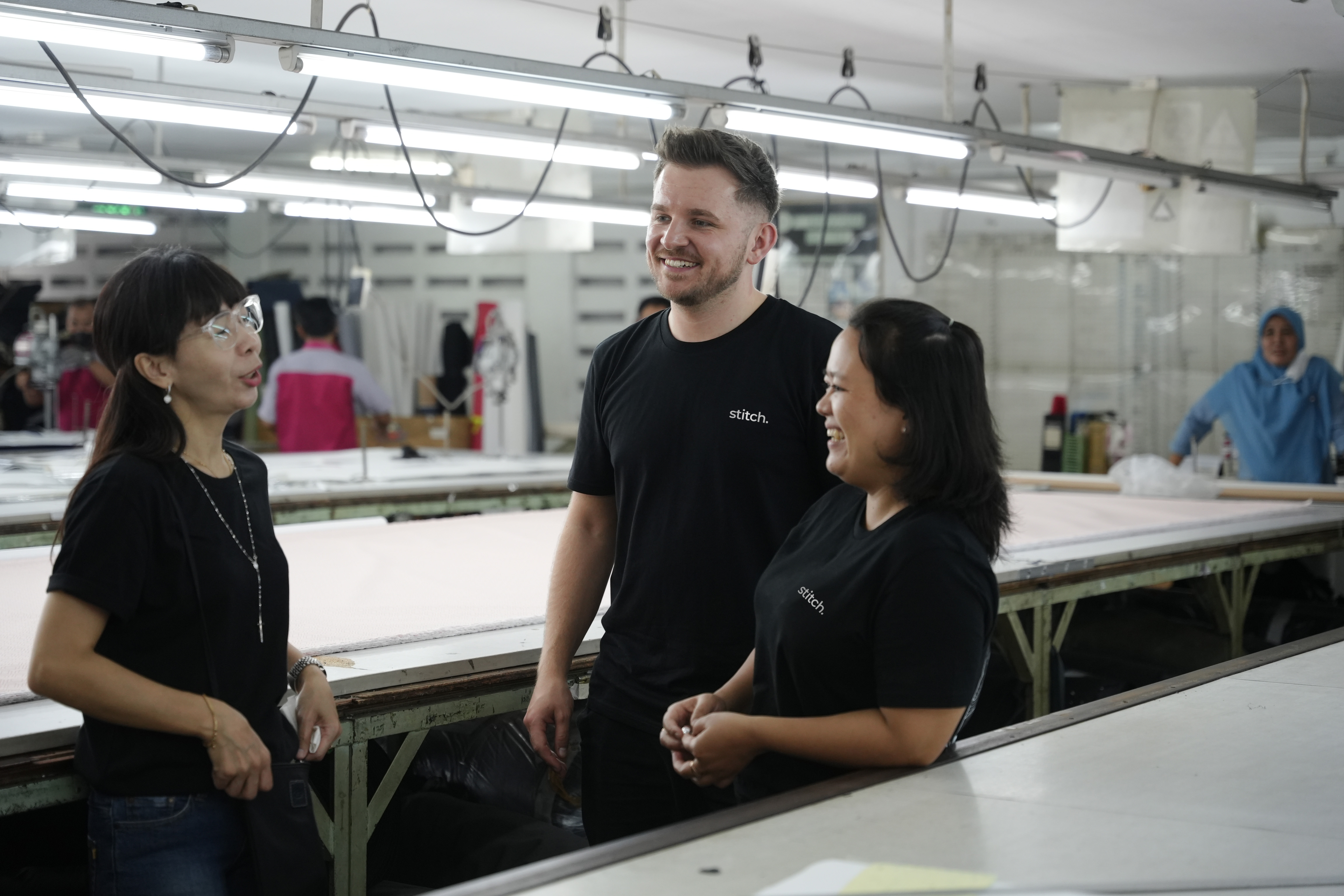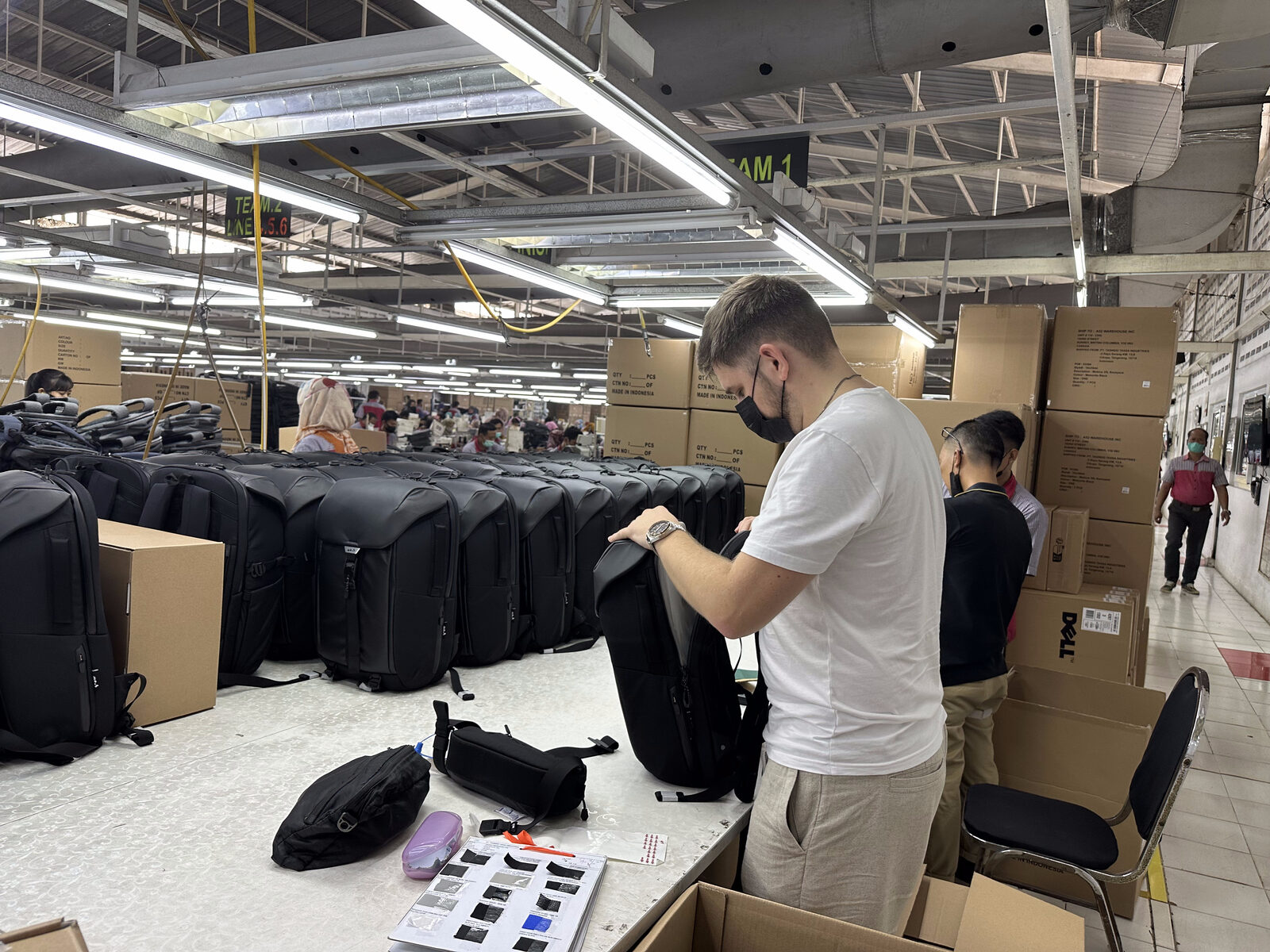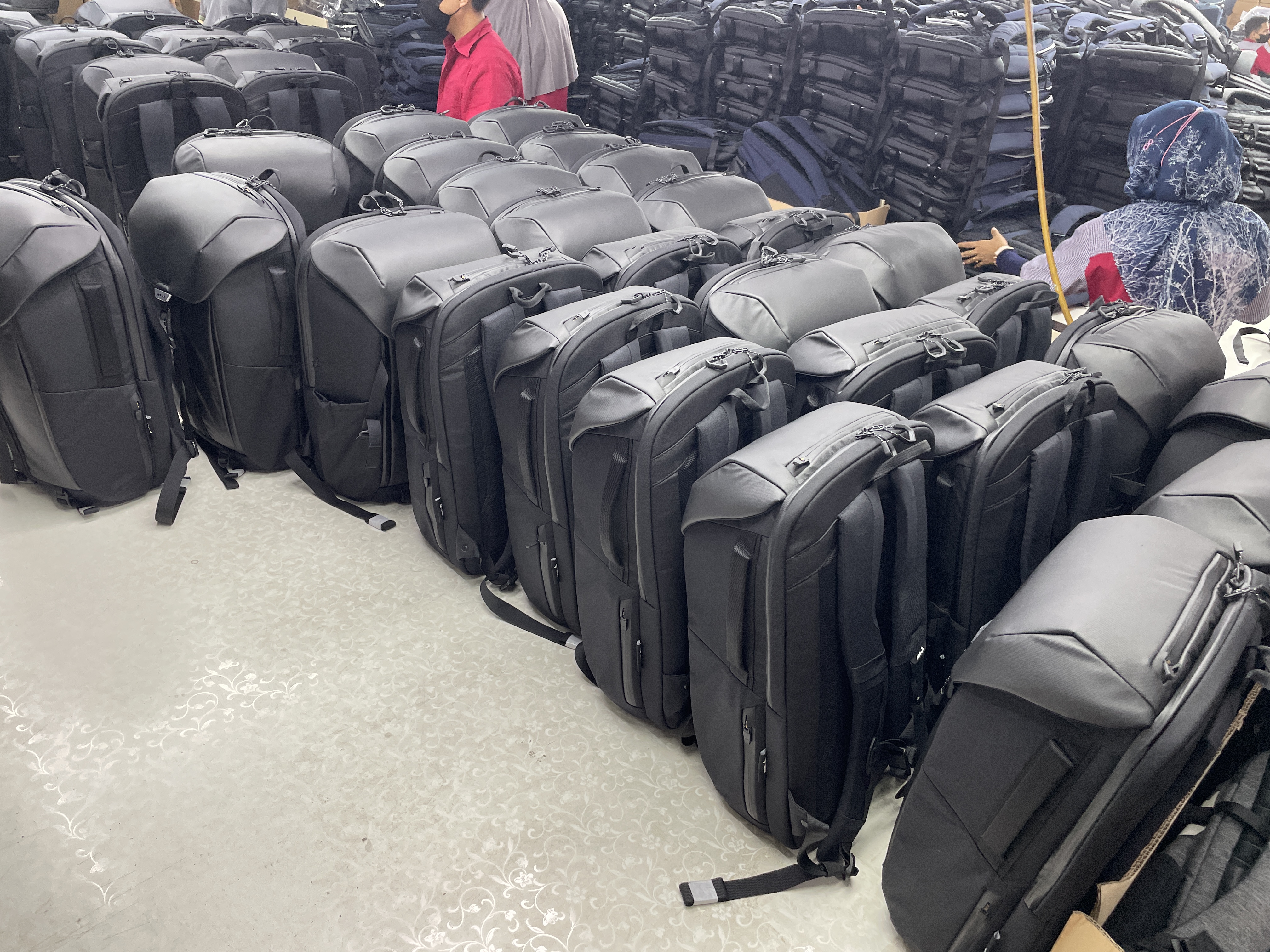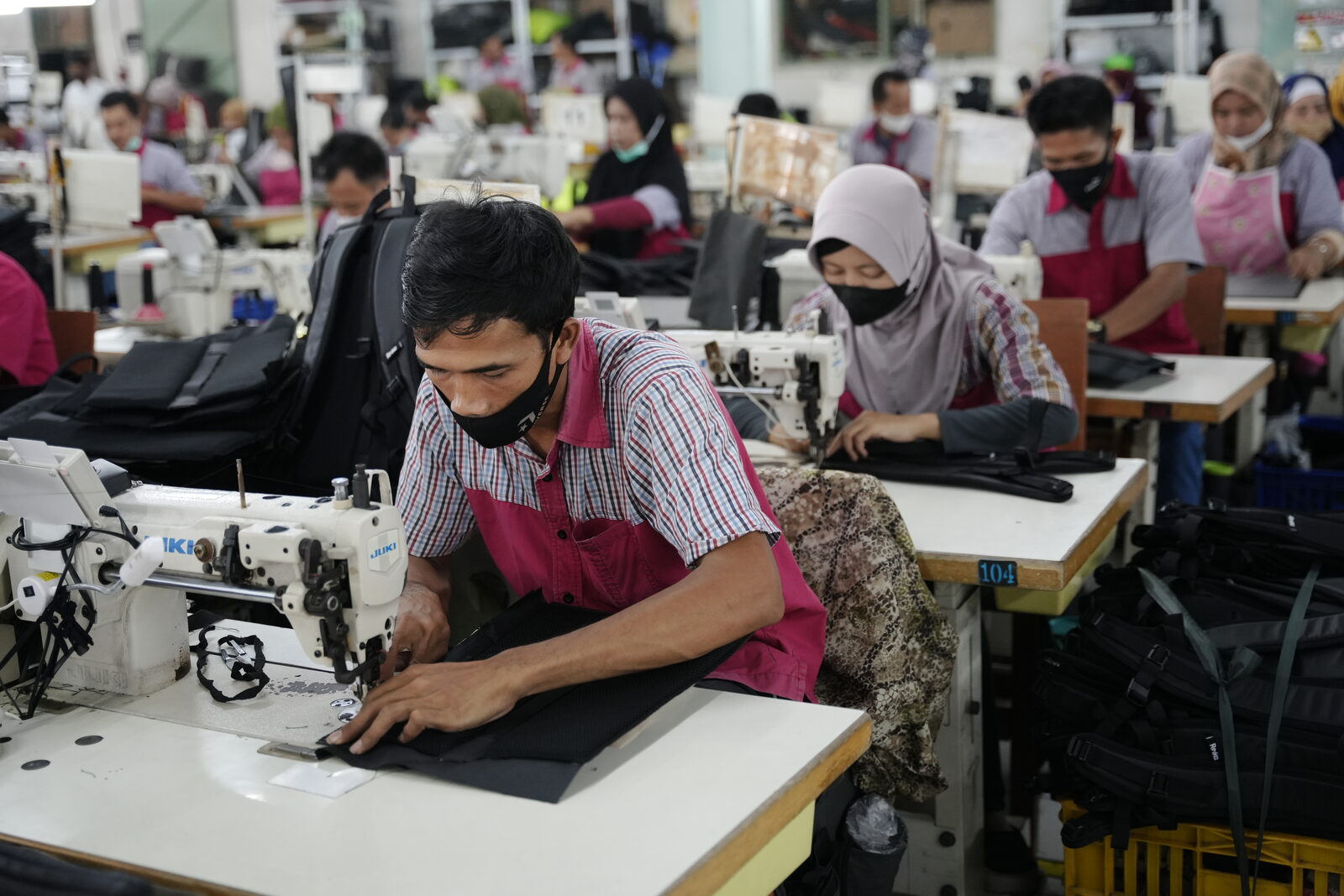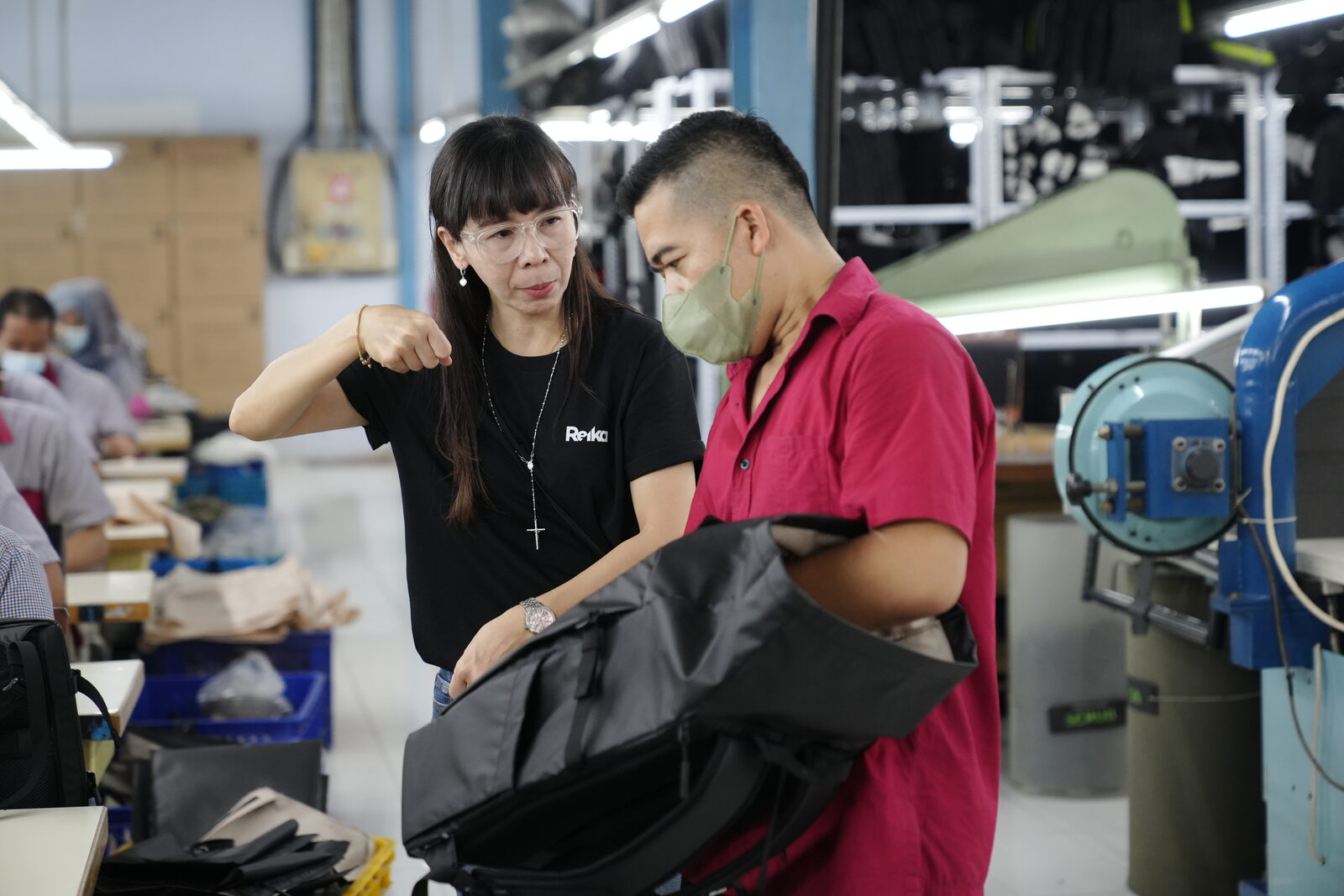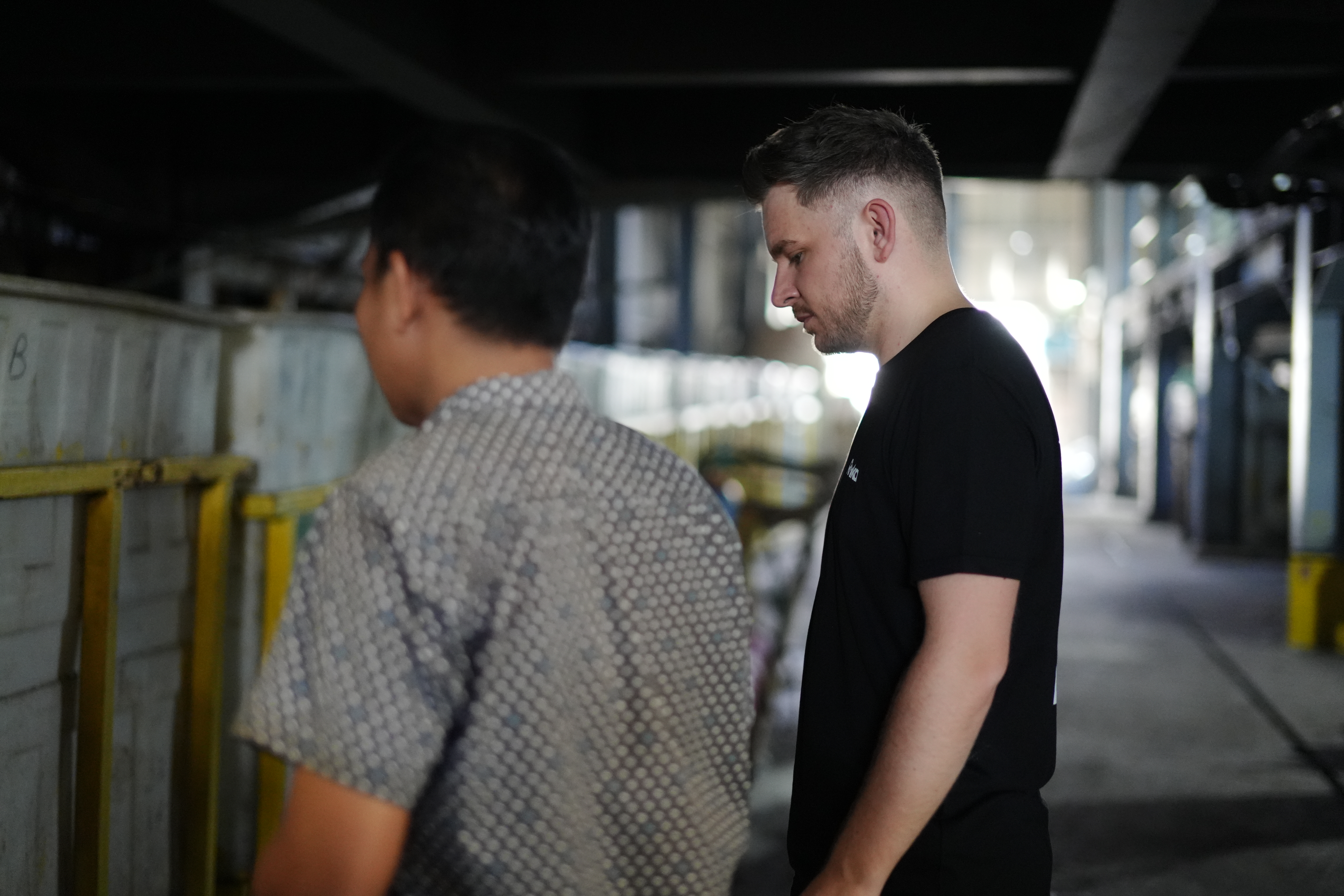
Team review with factory
Founder

The factory relationship nobody talks about

Priority scheduling, honest timelines, factories that flag a problem before it becomes yours. None of it comes from spending the most. It comes from being a certain kind of client, and that's more straightforward to become than most people assume.

5 min read Manufacturing
Read article
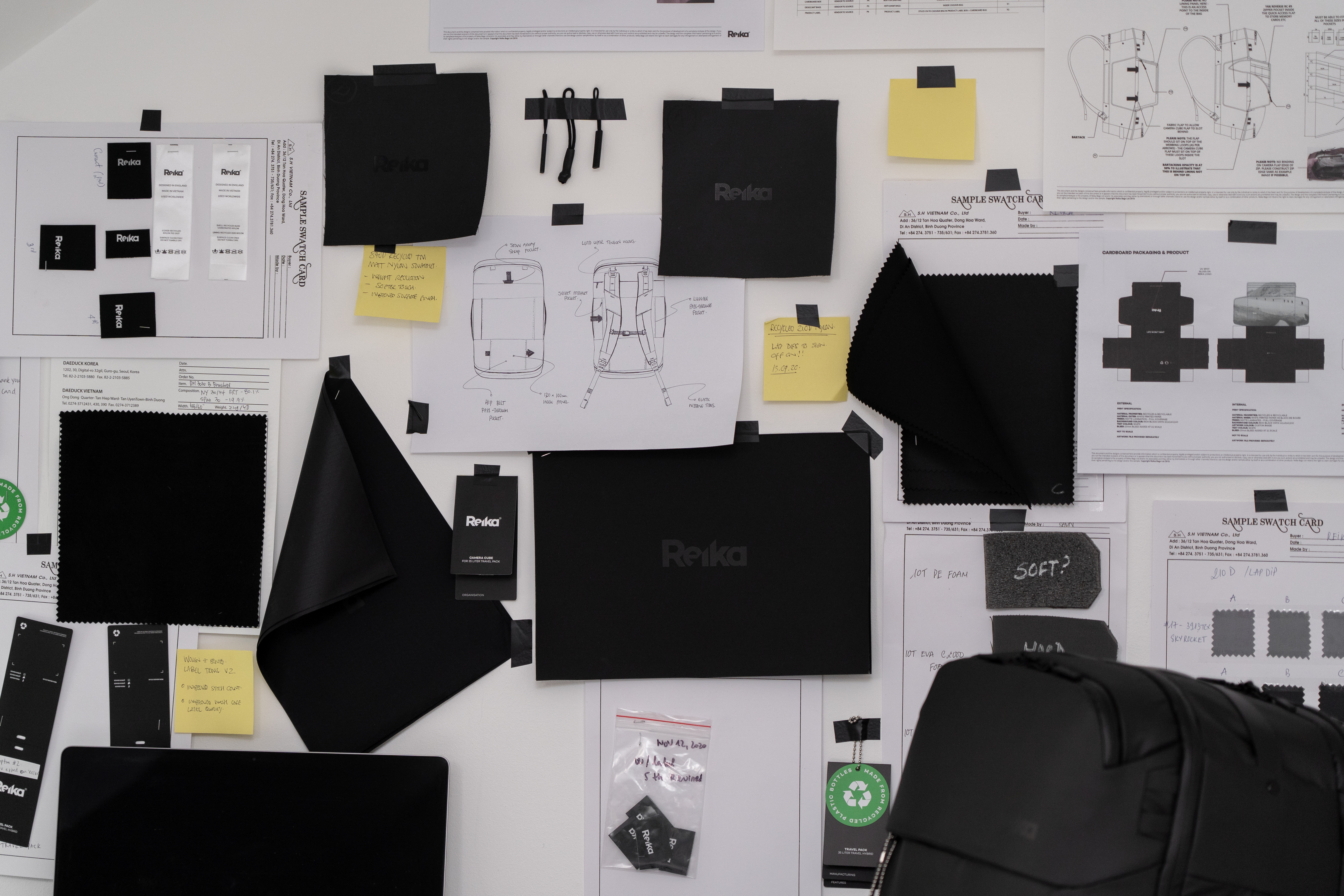
Product review and tech pack materials on design desk
Engineering

Tech packs: what a good one looks like versus a bad one

Factories build what's in front of them. Give them a vague spec and you get a vague bag. You won't know until the sample lands three weeks later than promised. This is what a tech pack that actually controls the outcome looks like.

7 min read Spec & Construction
Read article
Bags on factory floor
Manufacturing

What a QC inspection actually finds, and what it misses

Most QC processes catch the problems you already knew to look for. The failures that actually reach market fell outside the checklist: stress points nobody tested, failure modes nobody anticipated. The gap between the two is worth understanding.

6 min read Quality Control
Read article
Meeting with factory workers to discuss production
Industry

Minimum order quantities: why the number you're given isn't fixed

Factories quote MOQs like they're fixed. They're opening positions, and in most cases there's real room to move. The key is approaching the conversation in a way that doesn't damage the relationship or the unit economics.

5 min read Sourcing
Read article
Factory exterior
Manufacturing

How China, Vietnam, and Indonesia approach manufacturing differently

Working in Vietnam is different from working in Indonesia, which is different from China. Not just in capability, but in how feedback gets given and how problems get surfaced. The differences matter more than most sourcing guides acknowledge.

7 min read Factory Culture
Read article
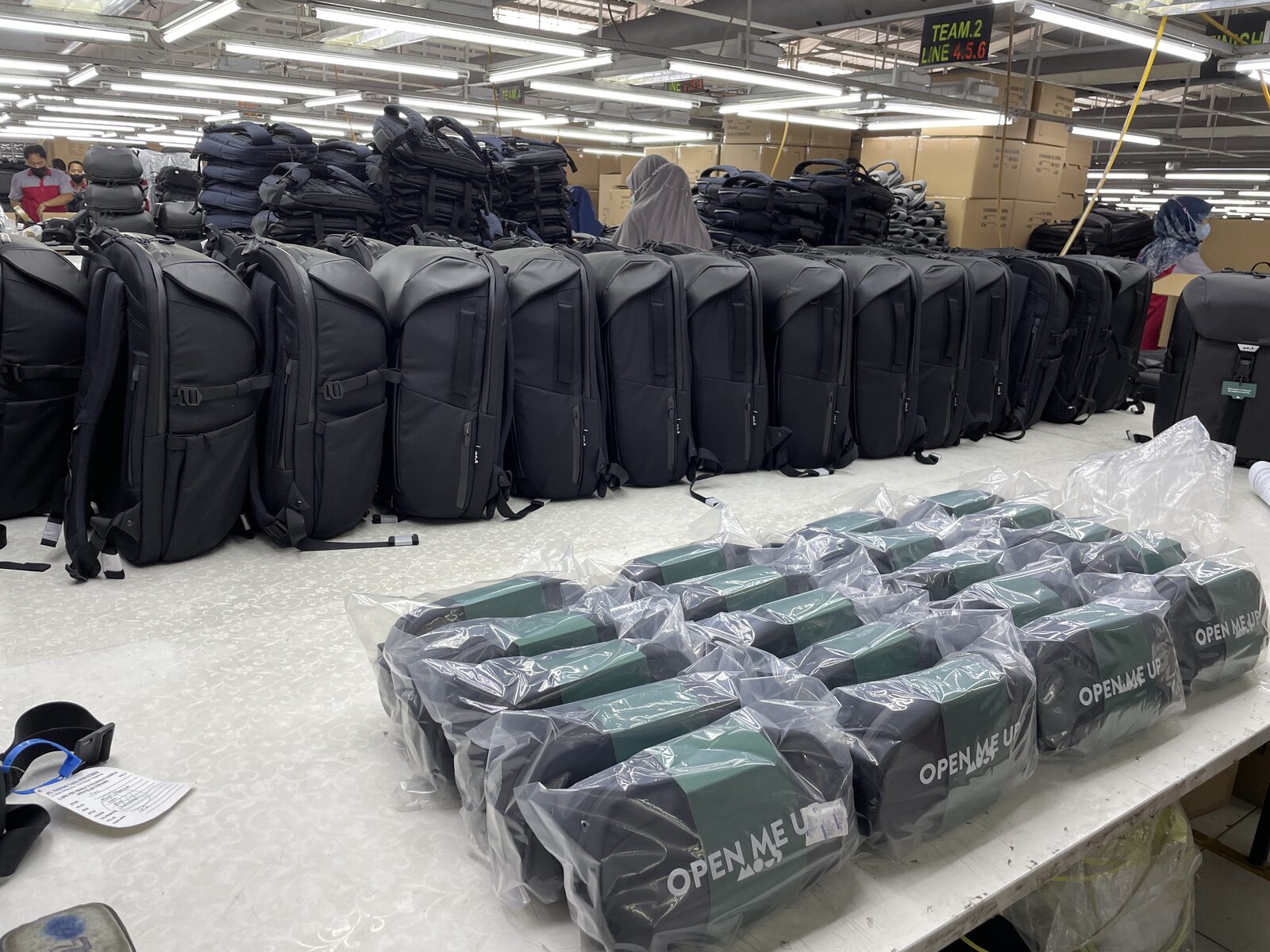
Finished bags packed and ready for shipping
Industry

FOB, EXW, CIF, DDP: what these pricing terms actually mean for your margin

The number on a factory quote sheet is not what you'll pay to land goods in your warehouse. It's rarely even close. FOB, EXW, CIF, DDP: each term shifts a different slice of cost and risk, and which one you're quoted on changes the conversation entirely.

6 min read Pricing & Logistics
Read article
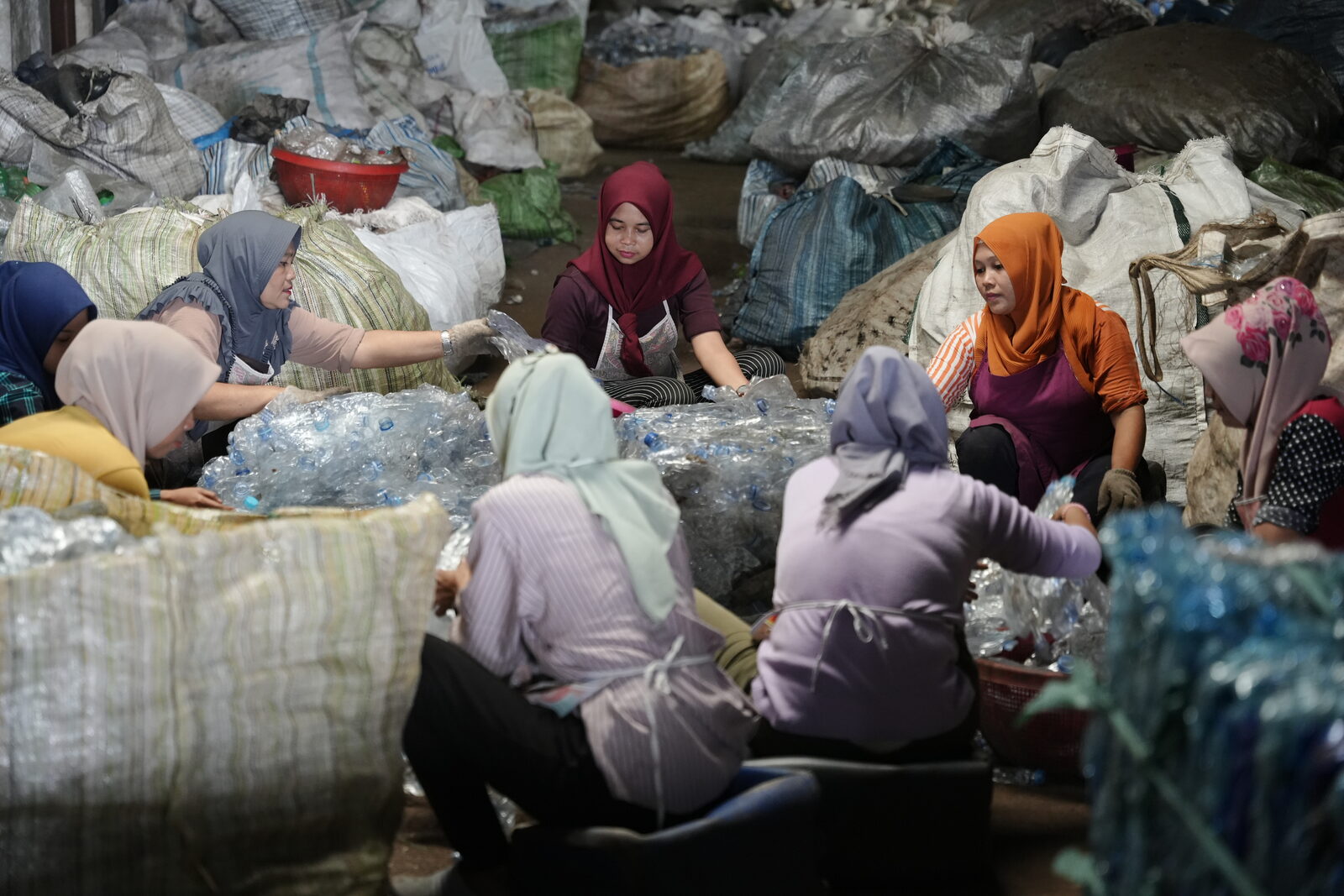
Workers sorting recycled materials at processing plant
Industry

Why Vietnam kept GSP and Indonesia didn't, and what it costs you

Where you manufacture is also a tax decision. The UK removed preferential duty rates from Indonesia in 2023. Vietnam kept them. On the same bag, that's a 12% cost difference before anything else changes.

5 min read Trade & Tariffs
Read article
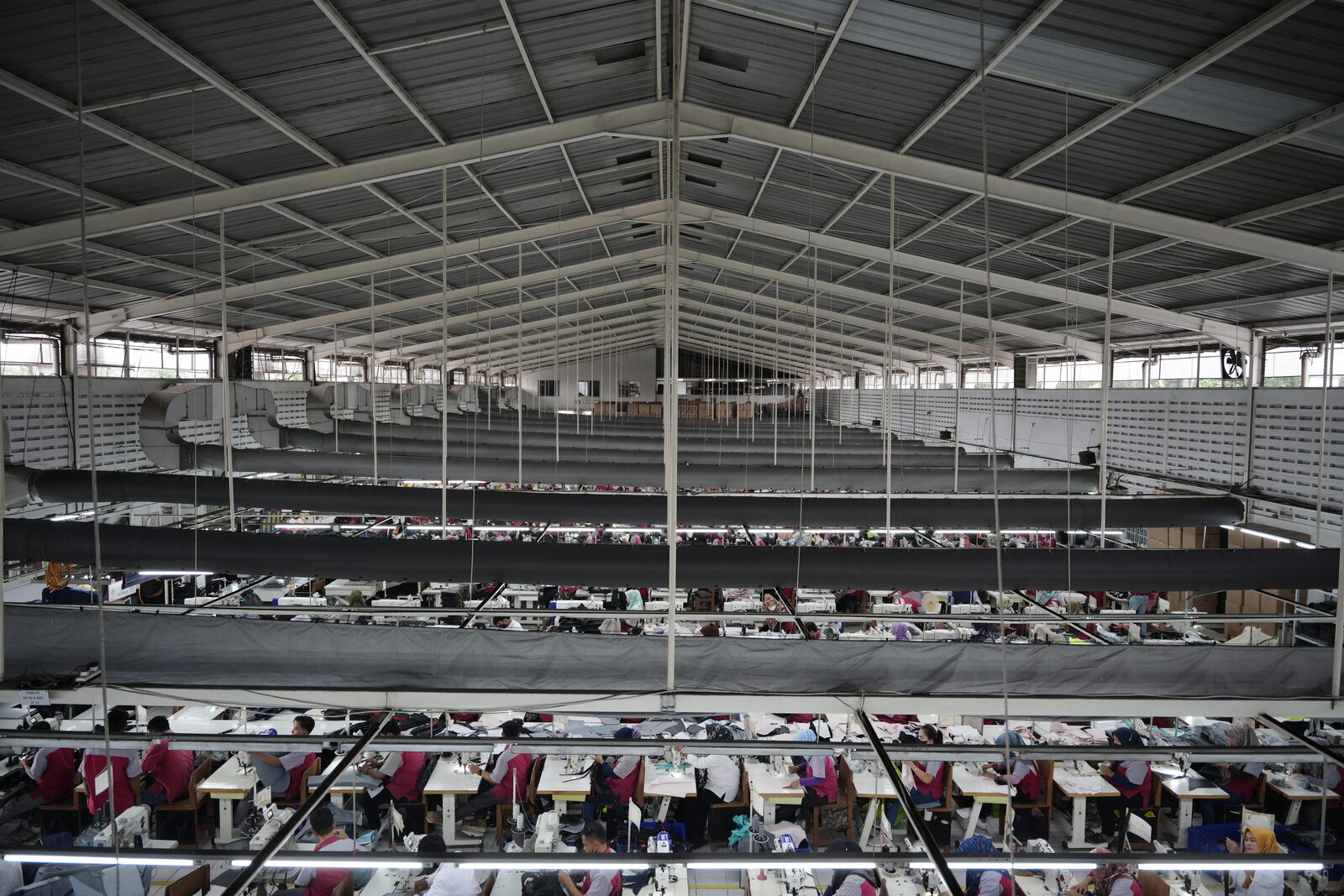
Wide factory floor with production lines running
Industry

Realistic lead times for bag development, stage by stage

Ask around for a development timeline and you'll get answers ranging from six months to two years. First brief to goods in warehouse is 9 to 14 months. Most brands are unprepared for which stages take the longest, and that's usually where the schedule breaks.

6 min read Product Development
Read article
Tech pack patterns
Engineering

How many pattern pieces are in a bag, and why it matters for cost

A simple tote has around 12 pattern pieces. A technical backpack can have 120 or more. Every extra piece adds cutting time, sewing time and room for error. Understanding how piece count drives labour cost changes the design decisions you make before they get locked in.

7 min read Patterns & Construction
Read article
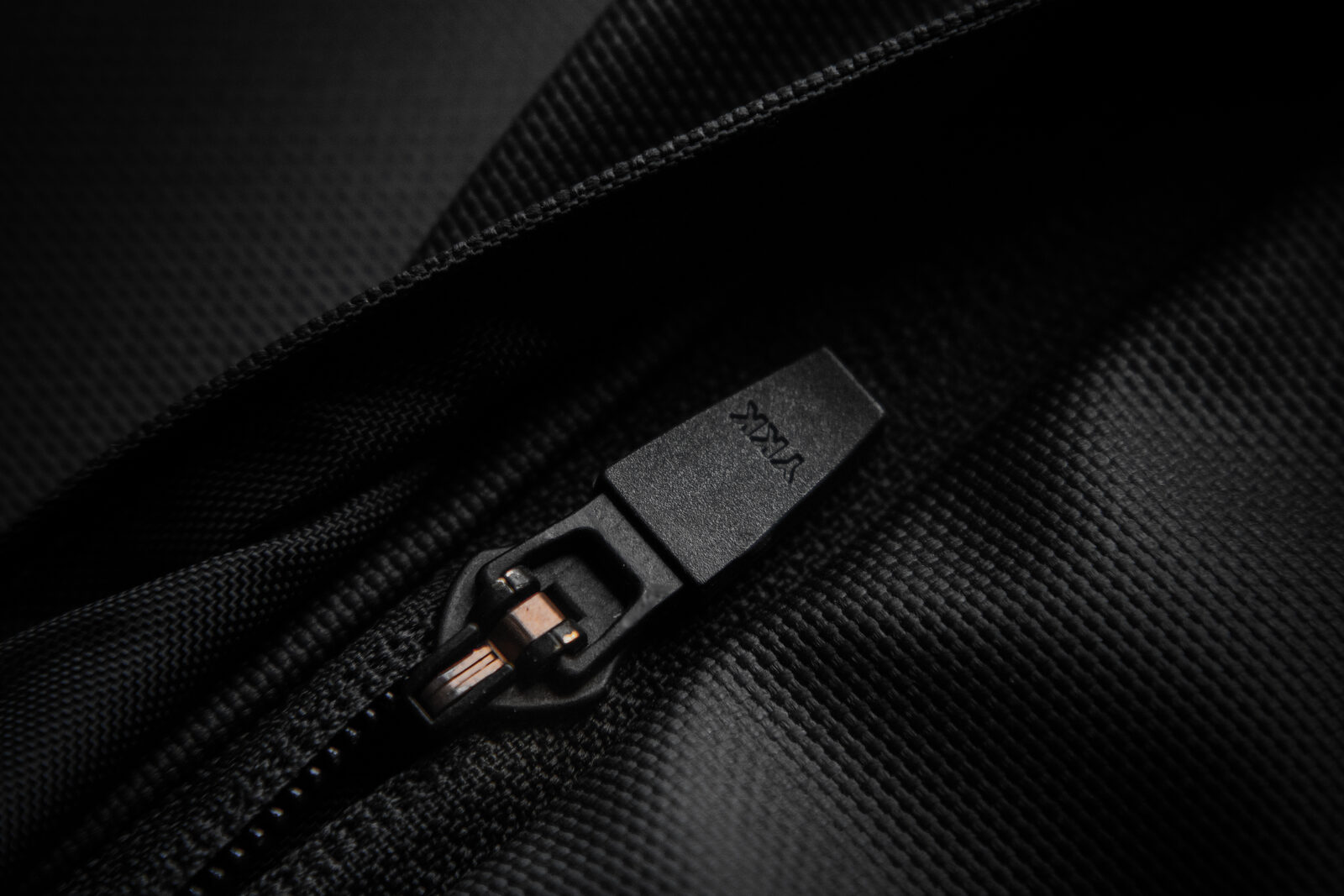
Zip hardware comparison
Engineering

YKK, SBS, Riri: how zippers actually differ and when each one is right

YKK is what you spec when you don't know what you're speccing. The right zip for a waterproof cycling pack and the right zip for a leather briefcase are completely different products, with different construction, price points and failure modes. This covers what's available and when each one actually earns its place.

6 min read Hardware & Materials
Read article
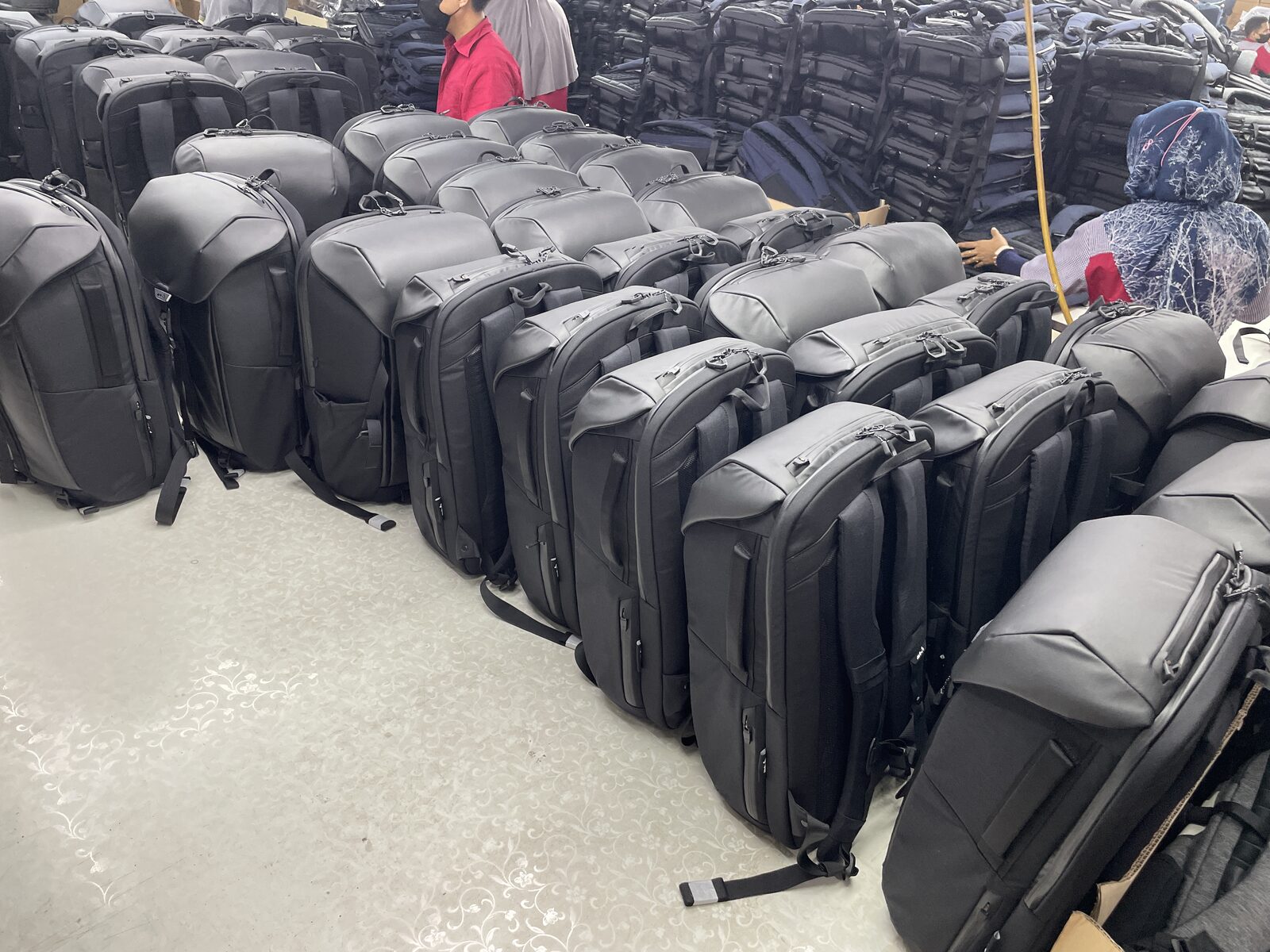
Finished backpacks lined up for export
Industry

Import duties for bags and accessories: UK, US, and EU rates explained

Most brands treat import duties as a fixed cost and move on. They're one of the few variables you can actually influence through sourcing decisions. A look at current rates for the UK, US and EU, and how country of origin shapes what you pay.

5 min read Trade & Tariffs
Read article
Technical drawing and design materials on desk
Engineering

How to design a bag: the process most brands get backwards

Most bags are designed outside-in: silhouette first, features next, unit cost last. That sequence is why so many products need a redesign before they've sold a single unit. Commercial bag design runs in the opposite direction, and it changes every decision downstream.

8 min read Product Design
Read article
Bag product detail
Industry

2026 bag design: what's gaining traction and what's already peaking

Technical fabrics crossing into everyday carry, modular systems replacing fixed formats, tonal hardware replacing chrome. Some of this year's most cited trends are genuine functional shifts. Some are aesthetic cycle dressed up as innovation. Knowing which is which changes whether you design into them or wait them out.

5 min read Design Trends
Read article
YKK zip hardware
Engineering

Is YKK worth 4x the price, or are you paying for the safest spec to defend?

YKK costs roughly four times a comparable SBS zip in most configurations. On load-bearing closures for performance packs, the engineering case is real. On the external pocket of a commuter bag, you're largely paying for a name on a component your customer will never notice. Knowing which situation you're in changes the call.

5 min read Hardware & Materials
Read article
Factory floor
Manufacturing

Where are the best bag factories in the world, and why that's the wrong question

China builds the most. Vietnam handles more premium technical production than people realise. Indonesia runs volume. Bangladesh is fast at price. But if geography is your first filter, you're already narrowing to the wrong pool. You'll probably rule out factories that would outperform the ones you end up choosing.

7 min read Sourcing
Read article
Sam inspecting bags at QC table
Manufacturing

How to evaluate a factory before you've made a single sample

Factories are good at winning business. The showroom will be clean, the samples will look right, and the lead times will be whatever you need them to be. The things that actually predict execution quality aren't visible on the tour. They're in the questions most brands never think to ask.

6 min read Supplier Selection
Read article
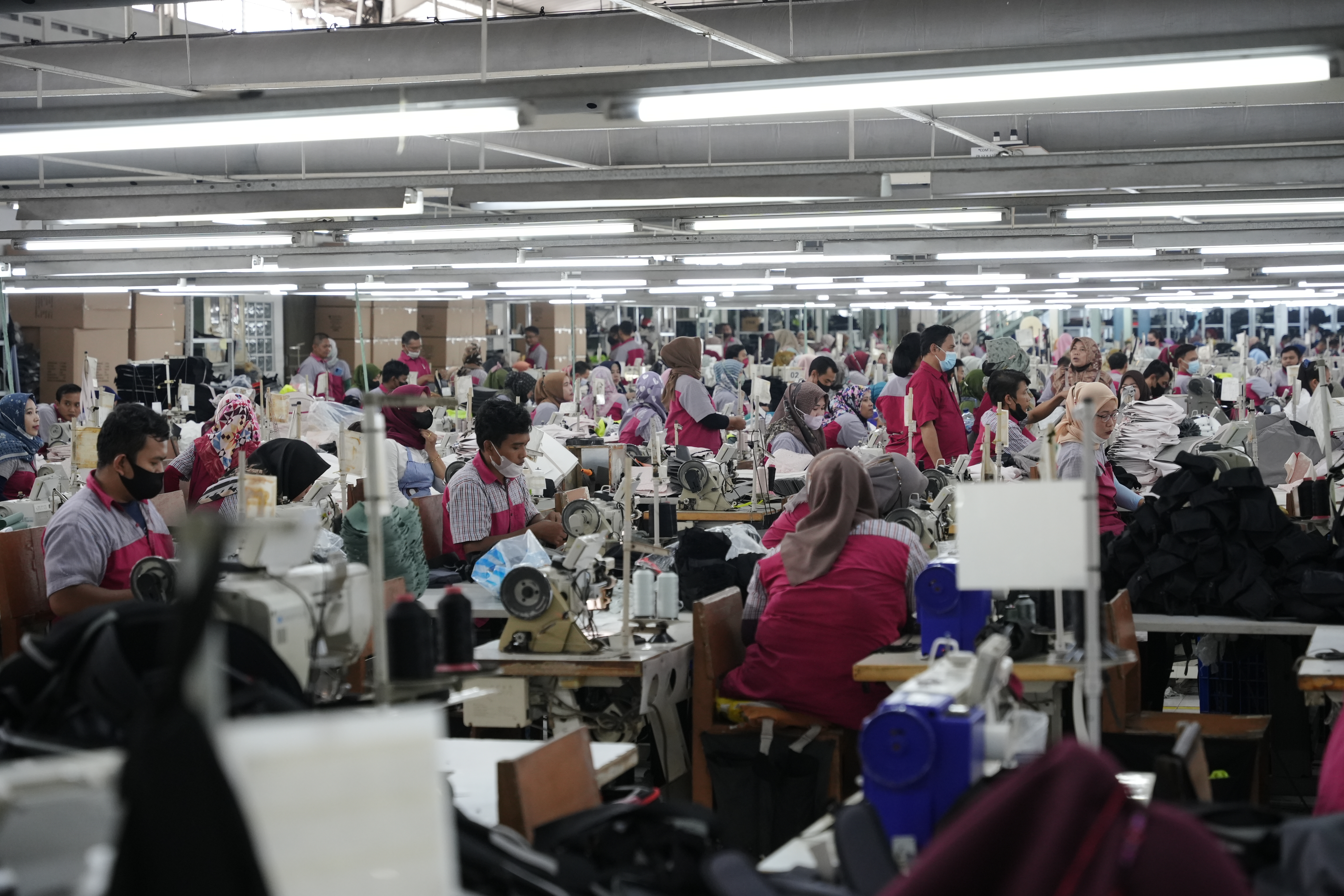
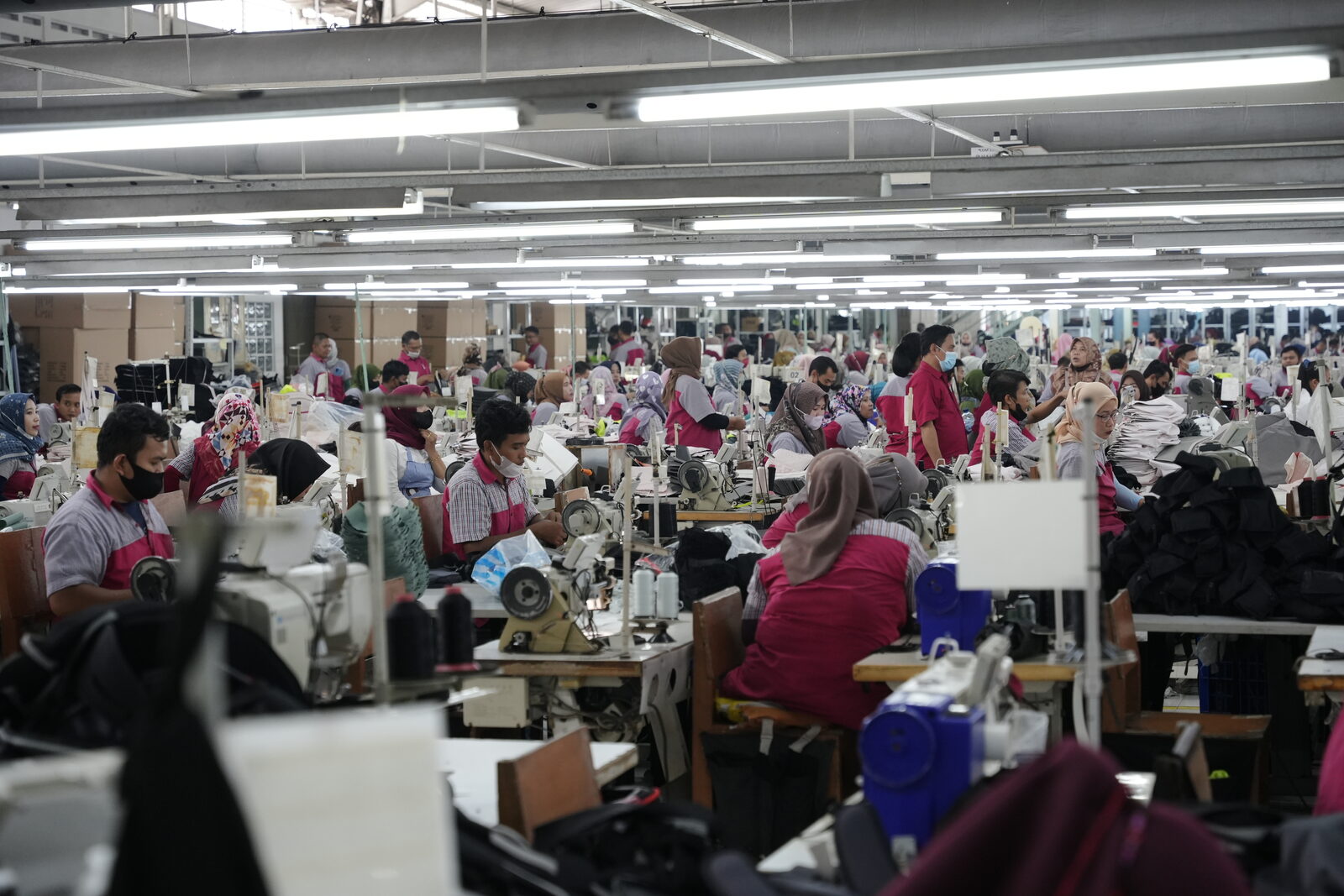
Large sewing floor with production workers
Industry

How to get better terms from your manufacturer without a bigger order

Most brands assume better terms require a larger commitment. They require a different kind of reliability. Factories don't optimise for the largest customer. They optimise for the most predictable one, and predictable looks very different from big.

6 min read Supplier Relations
Read article
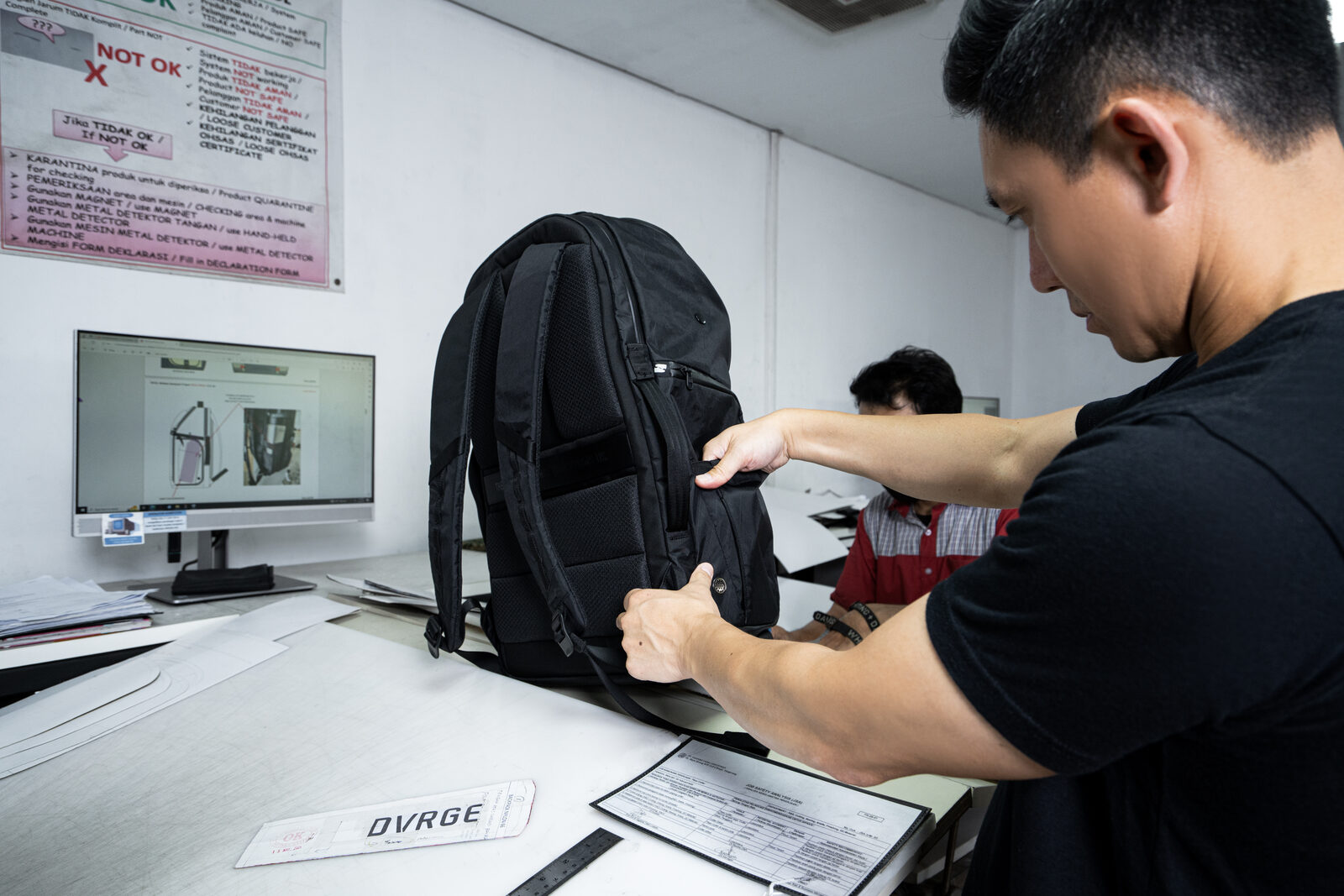
QC inspection of backpack against specification
Industry

Supplier payment terms: what's standard, what's negotiable, and what signals where you stand

30% deposit, 70% before shipment. That's where most conversations start, and where most brands assume they end. The range of what's actually available is wider, but accessing it isn't about asking. It's about what you've already demonstrated.

5 min read Finance & Sourcing
Read article
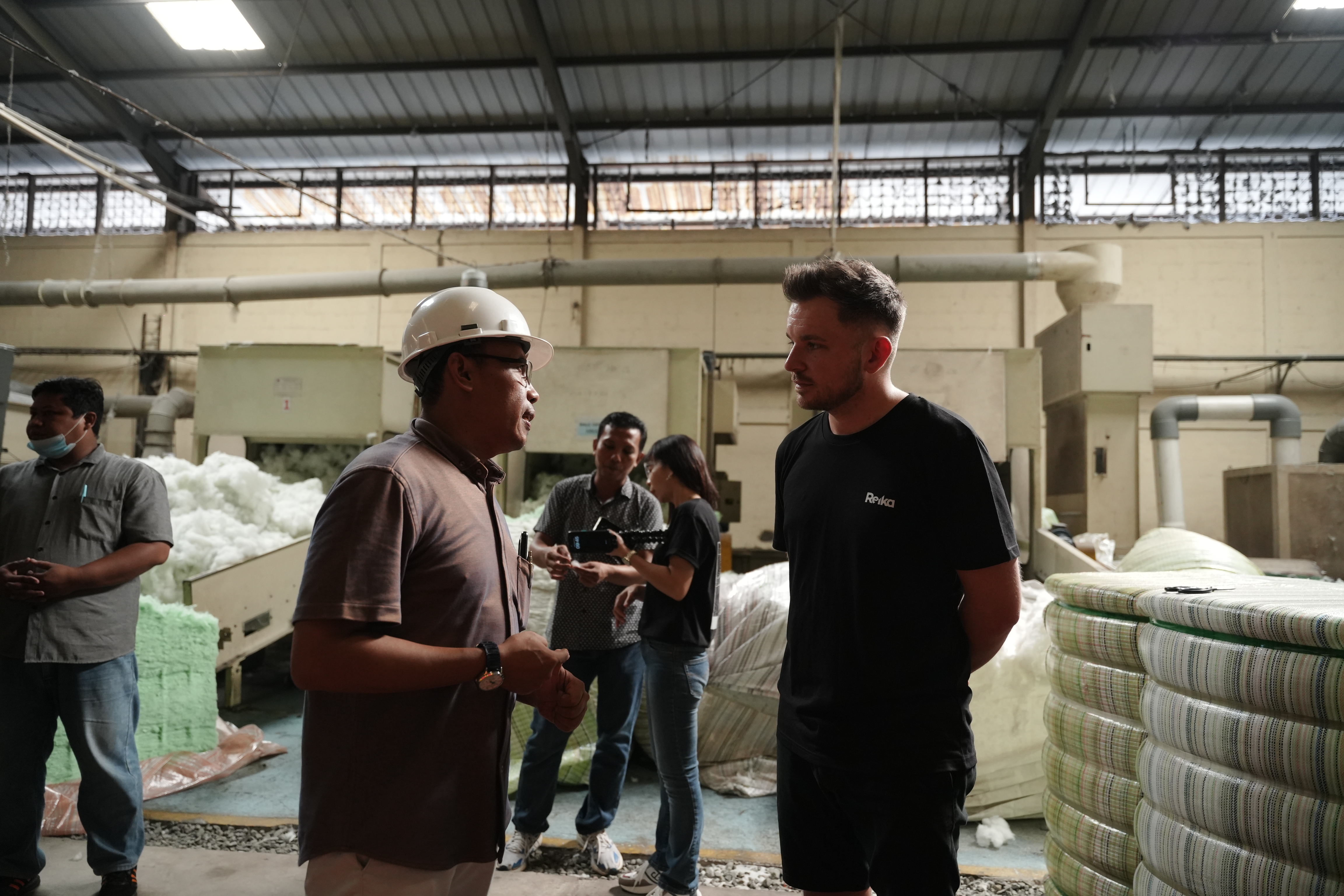
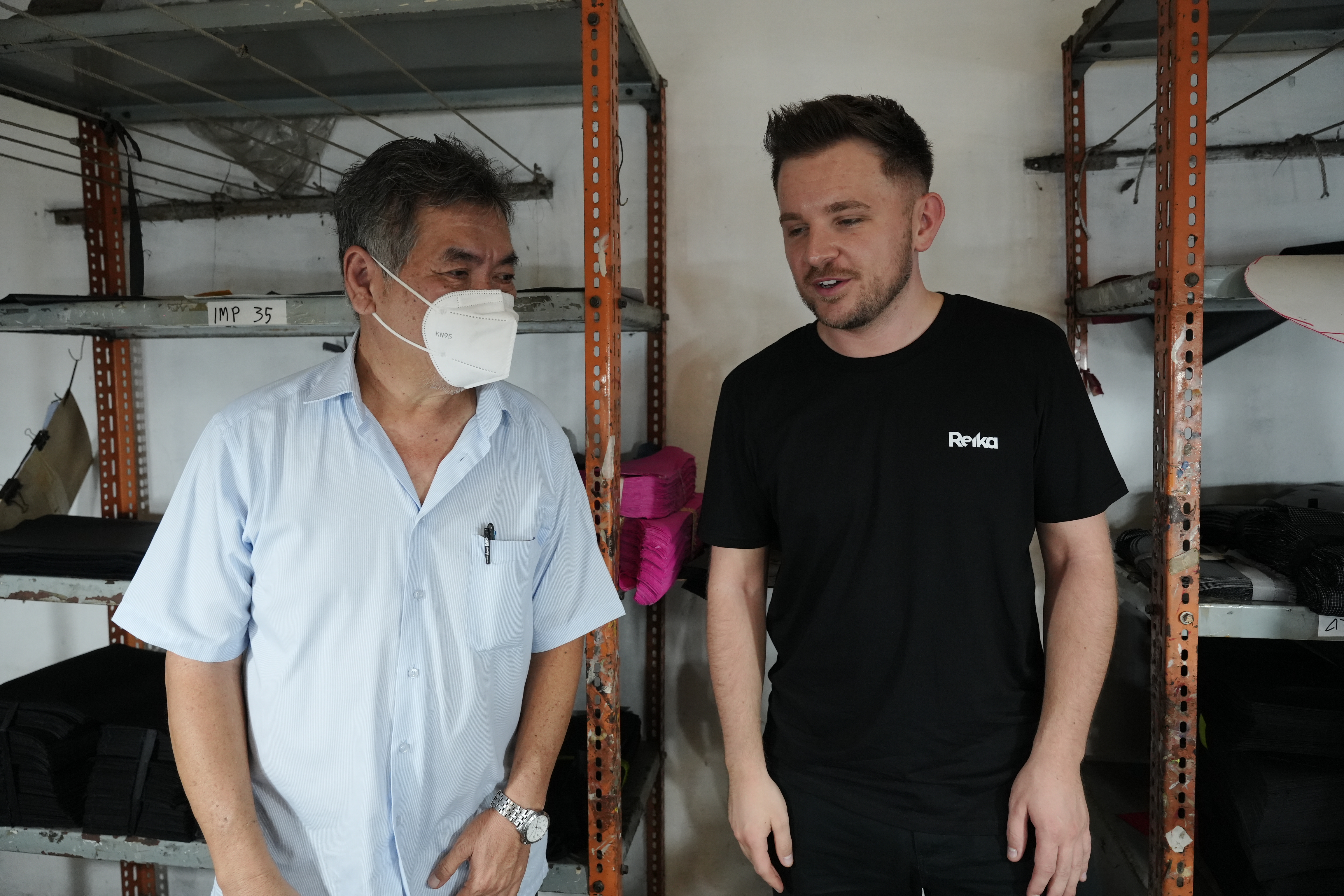
Meeting factory manager
Founder

Your factory gets 200 emails a week. Being there in person changes where yours lands.

A factory director in Ho Chi Minh City told me he could name every brand that had visited in the past three years. He couldn't name half the brands they were currently producing for. The email relationship and the factory-floor relationship are two different things. Only one gets you priority when there's a problem.

5 min read Supplier Relations
Read article
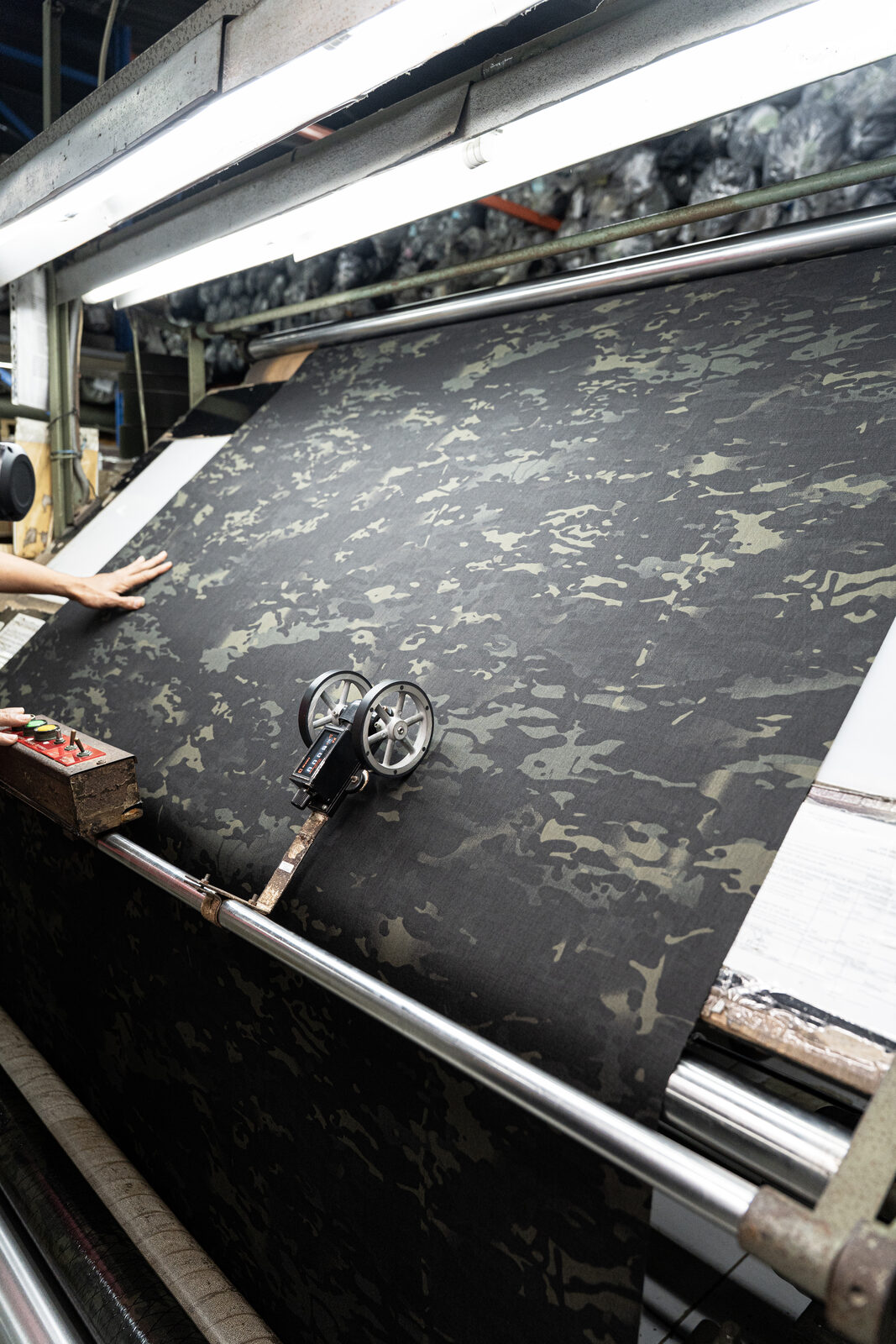
Camo X-Pac fabric on inspection roller
Engineering

XPAC: what it is, why everyone wants it, and whether the cost is actually justified

XPAC is a composite laminate from Dimension-Polyant: a woven face fabric bonded to a polyester film core, backed with ripstop nylon. It doesn't stretch under load, stays light and looks distinctive. It also costs four to six times a standard nylon, and in plenty of applications that premium isn't doing any real work.

6 min read Materials
Read article
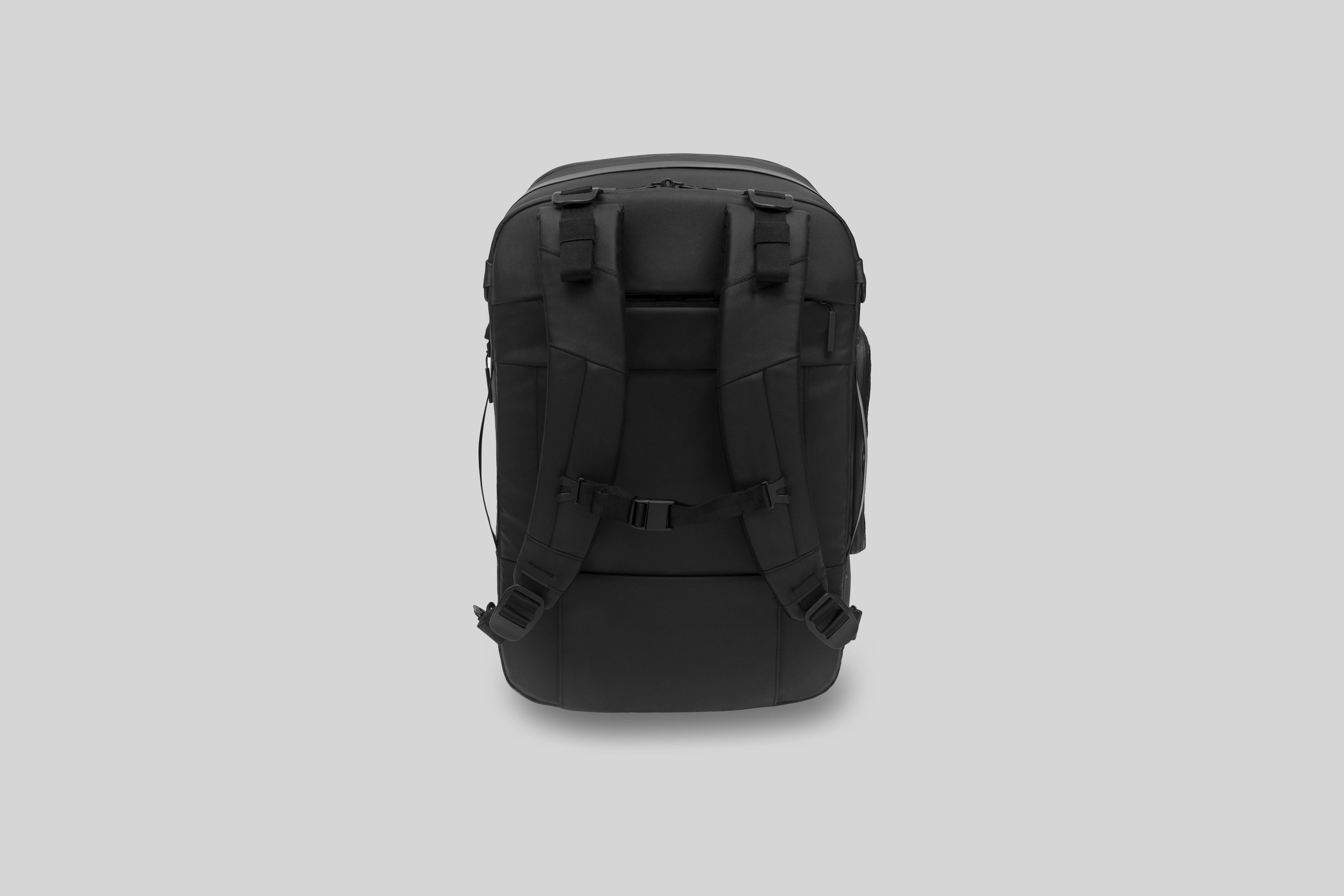
Bag back panel harness
Engineering

The harness is the product. Most brands treat it as an afterthought.

A bag can have the best organisation in its category and still lose to a competitor with a better carry experience. Back panel geometry, shoulder strap profile, lumbar contact, sternum strap placement: these are the decisions the body registers for the next eight hours. They're also the ones most brands leave until the final sample.

7 min read Engineering & Ergonomics
Read article
Fabric storage
Engineering

Bluesign certified: what it actually means for the fabric you're speccing

Bluesign approval means a textile mill has met standards across chemical safety, resource efficiency and workplace conditions, covering not just the final fabric but the process that produced it. More brands are mandating it. What it doesn't tell you is whether the fabric is actually right for your product.

5 min read Materials & Certification
Read article
Sam with factory team reviewing production standards
Manufacturing

BSCI, SA8000, SEDEX, ISO: what supplier certifications actually tell you, and what they don't

A factory can hold a BSCI certificate and still be a difficult place to produce. Certification proves a standard was met on a specific day. It doesn't tell you how problems get disclosed under pressure, or whether the management team that passed the audit is still there. Here's what each one actually covers.

6 min read Compliance & Sourcing
Read article
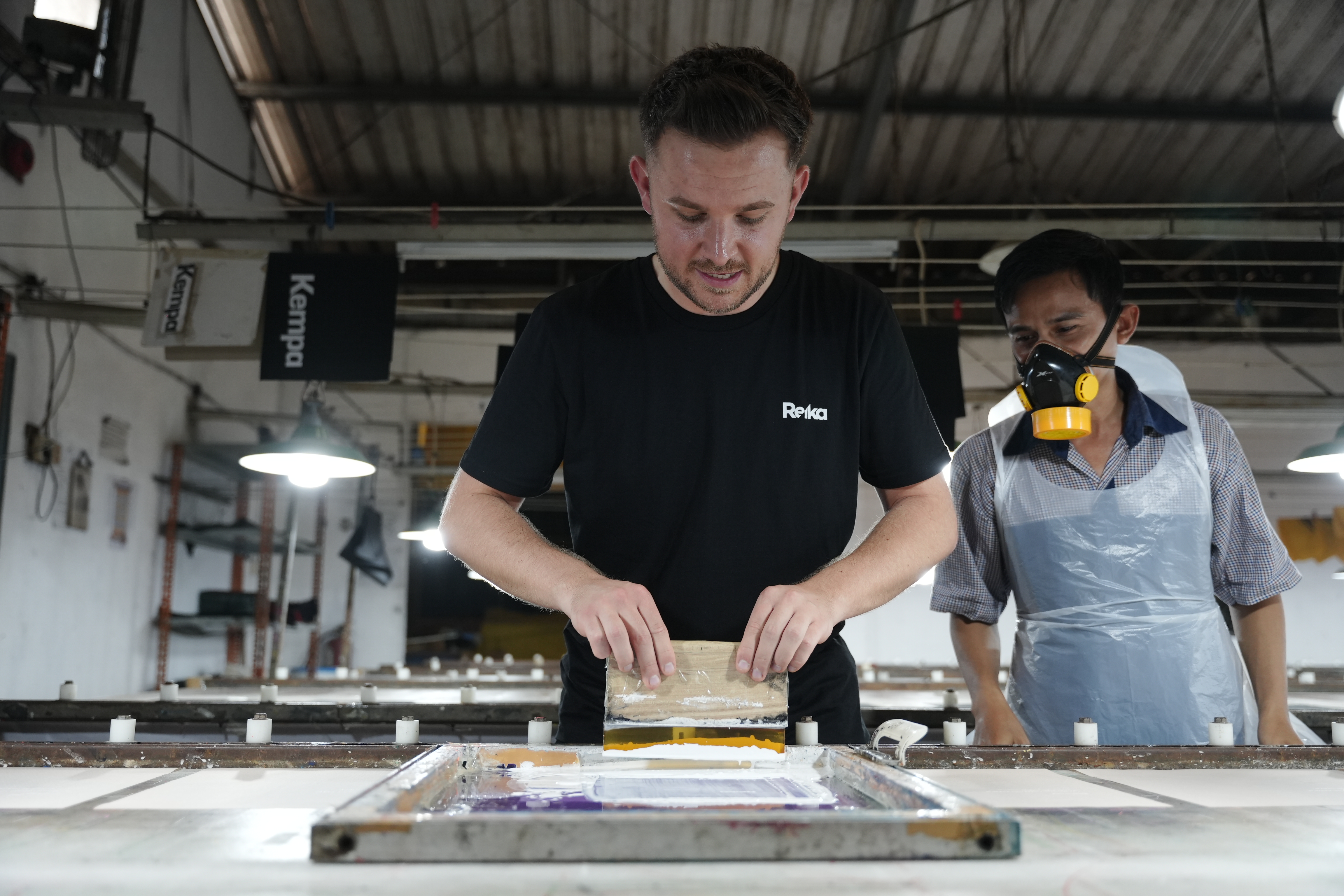
Screen printing at factory
Manufacturing

Supplier code of conduct: why most brands have one and very few enforce it

Most mid-size brands include a supplier code of conduct in their factory agreements. Most haven't visited since. The gap between having a code and enforcing one is where most ethical supply chain failures happen. Closing it is more straightforward than it looks, provided the right touchpoints are built into the relationship.

6 min read Compliance
Read article

Have a product you want to build?

We work with brands at every stage, from early concept through to production-ready. If you're building something, we'd like to hear about it.